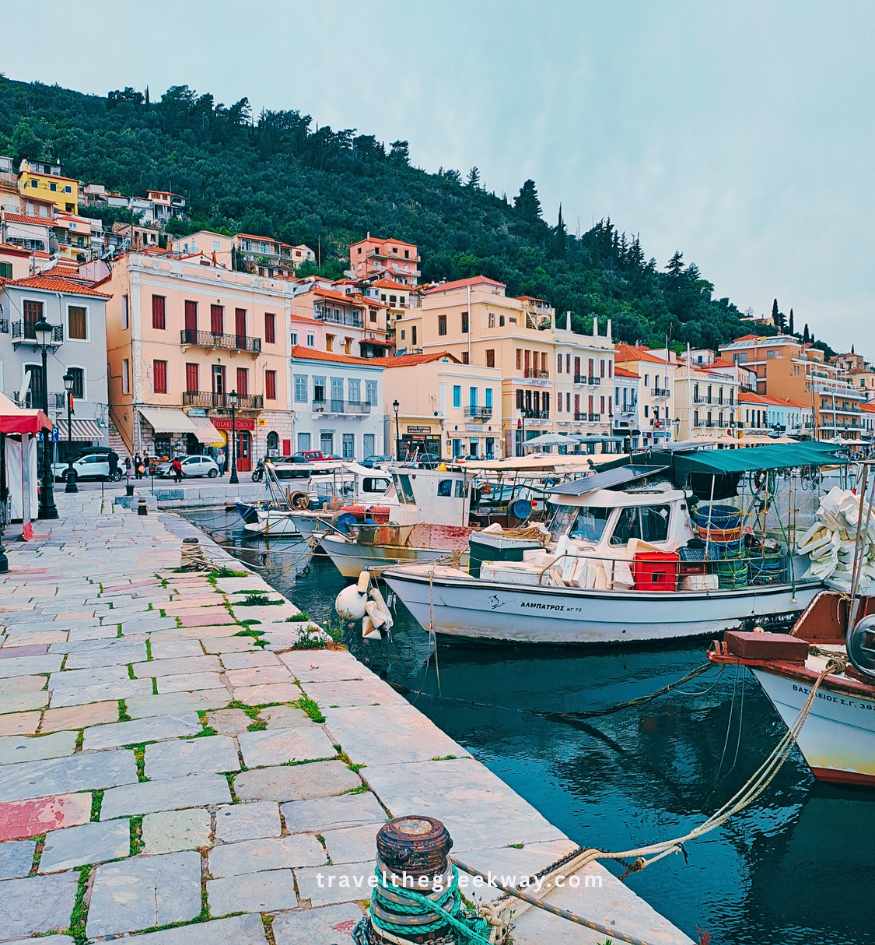
Gythio is a small seaside town in the southern Peloponnese, known for its colorful waterfront, neoclassical buildings, Kranae Island and lighthouse, and the beaches along the Laconian Gulf.
I explored Gythio on foot during an April road trip and found it small enough to see the main sights without rushing.
Gythio is also a great base for exploring southern Laconia. From here, you can take day trips into Mani, including Areopoli, Limeni, and the Diros Caves, or travel east toward Monemvasia and Elafonisos.
In this guide, I’ll share my favorite things to do in Gythio, along with practical tips from my visit and ideas for exploring the surrounding area.
This post includes links that may be affiliate links. If you choose to make a purchase through them, I may earn a small commission at no extra cost to you. Please see my disclaimer/privacy policy for more information.
Gythio at a Glance
- Time I spent: About 4 hours
- Getting around: I explored Gythio on foot
- Parking: Easy during my April visit; I parked near the ancient theater
- Crowds: Quiet, with mostly local traffic during my visit
- Walking: Moderate – Gythio is small, but some streets climb uphill
- Would I stay overnight? Yes – especially if using Gythio as a base for exploring Mani, Monemvasia, and southeastern Laconia
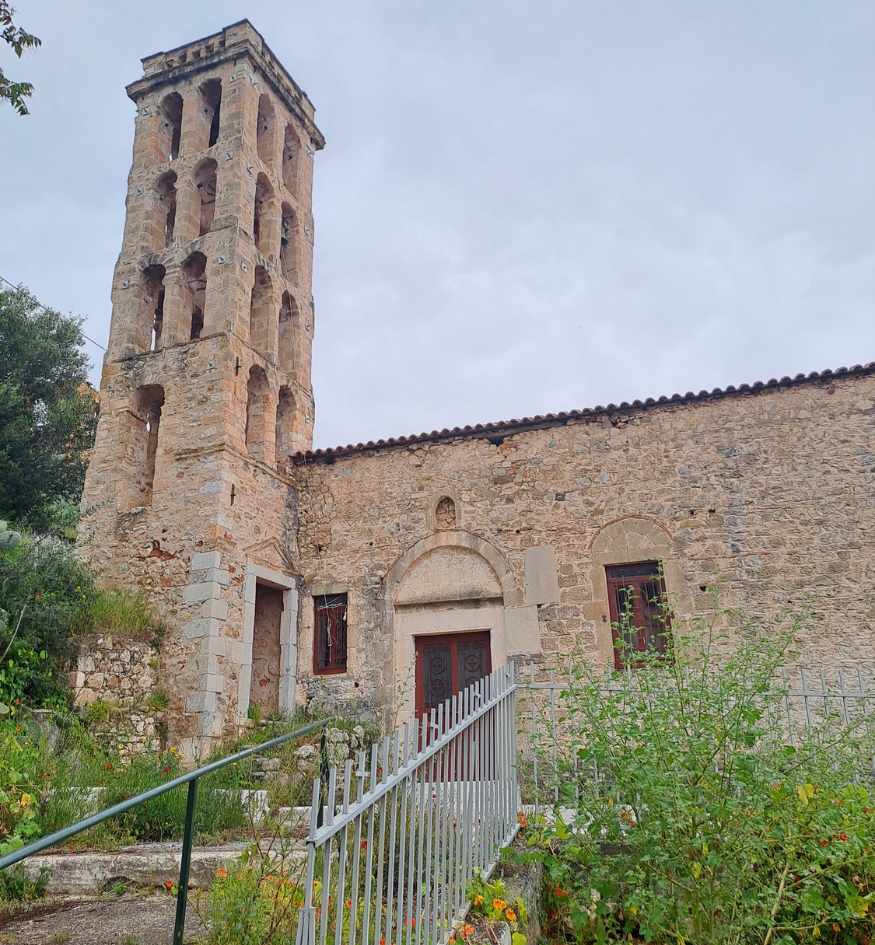
- Don’t miss: The historic Agios Dimitrios church on the hill, built around the mid-18th century on the remains of earlier churches.
Best Things to Do in Gythio, Greece
Gythio is compact enough to explore on foot so that you can combine most of the main sights into one walk.
These are the places I enjoyed most during my visit, along with a few stops worth knowing to explore the town.
1. Walk Along Gythio’s Waterfront
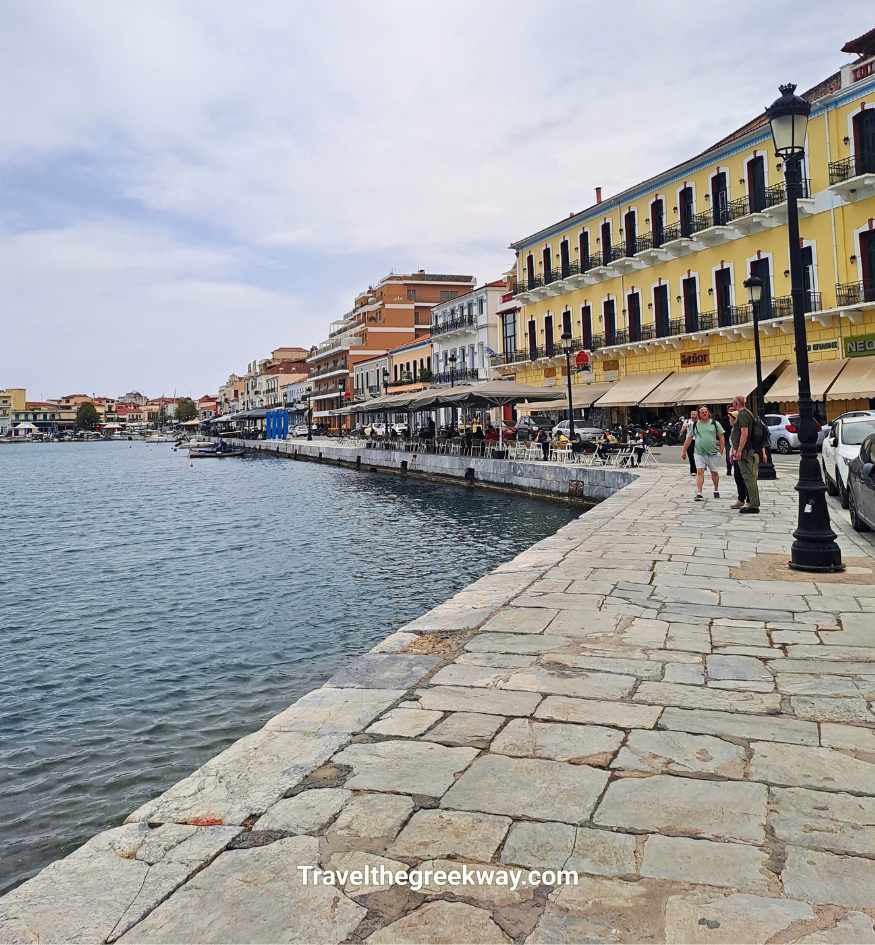
The waterfront is the natural place to start exploring Gythio. Fishing boats and yachts fill the harbor, while cafes, restaurants, and colorful neoclassical buildings line the seafront.
When I visited, the town was quiet, with relatively few cars apart from local traffic. I left my car near the ancient theater and explored the rest of Gythio on foot.
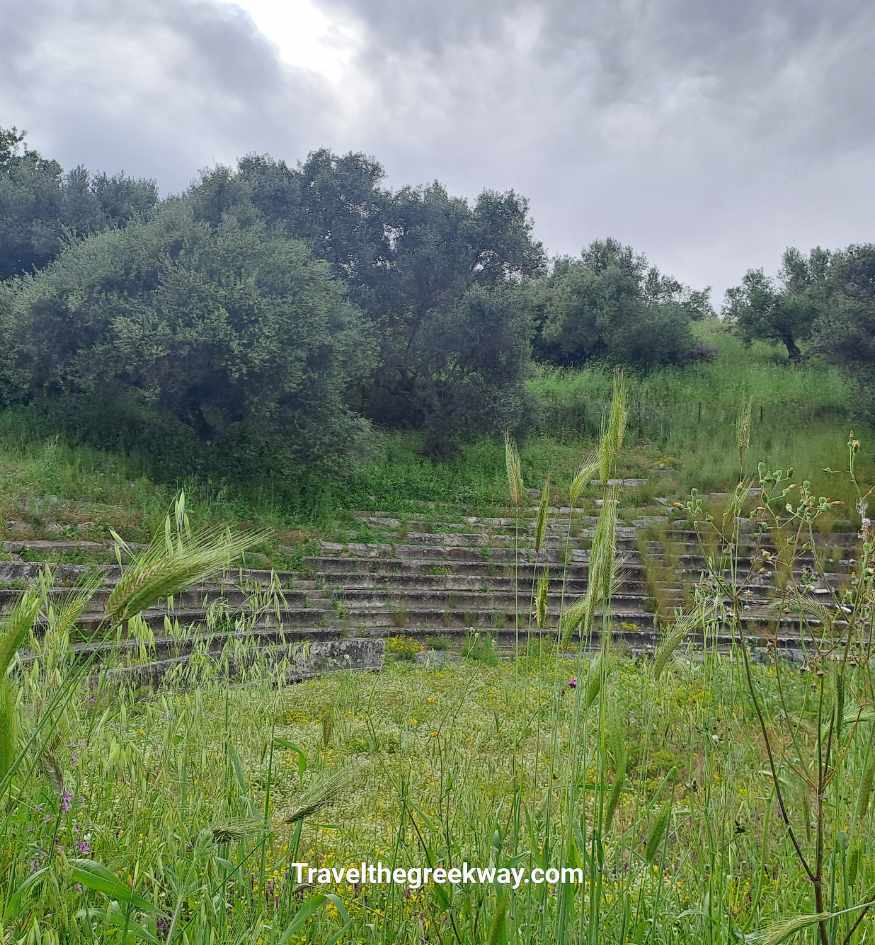
The ancient Roman theater itself is small. When I visited, I couldn’t access it, so I wouldn’t make a special trip for it. If it’s open when you’re there, it’s worth a quick look while you’re in this part of town.
Don’t stay only on the main waterfront road. Walk into some of the streets behind it as well.
2. Walk to Kranae Island and the Gythio Lighthouse

At the southern end of Gythio’s waterfront, you can walk across to Kranae (Marathonisi), a small island connected to the mainland by a causeway.
According to Greek mythology, Kranae is associated with Paris and Helen, who are said to have departed from this area for Troy.
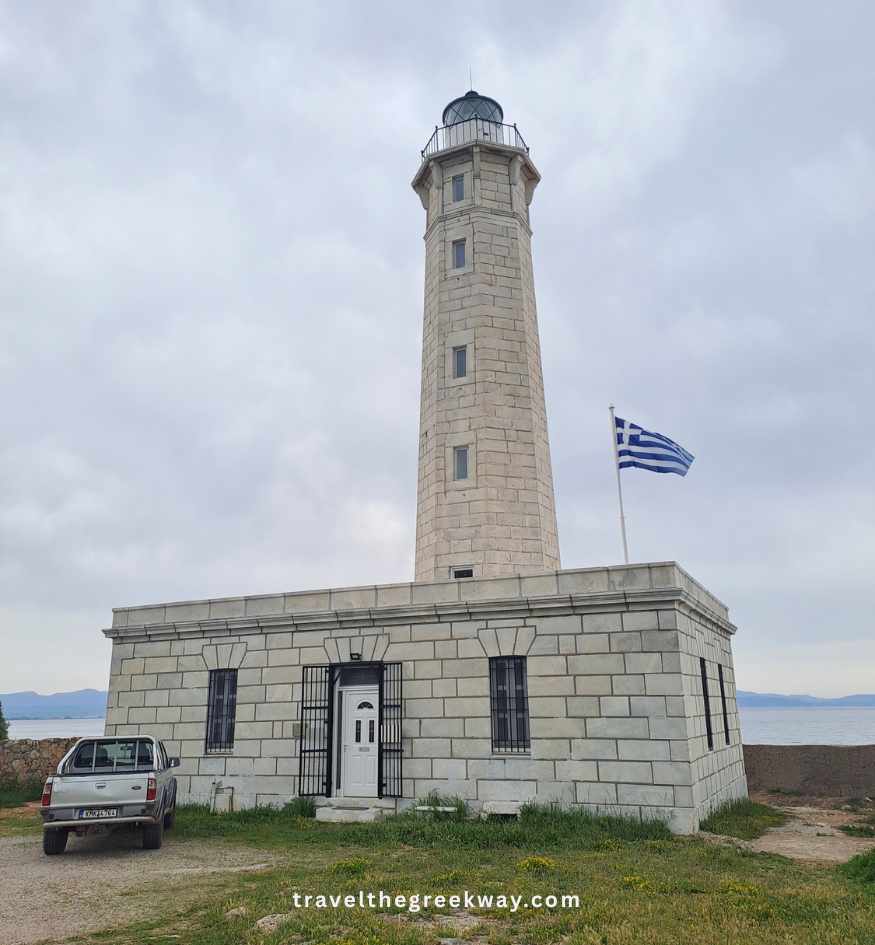
The walk takes you past Tzannetakis Tower, a traditional Maniot tower that now houses the Historical and Ethnological Museum of Mani, and continues toward the lighthouse at the end of the island.
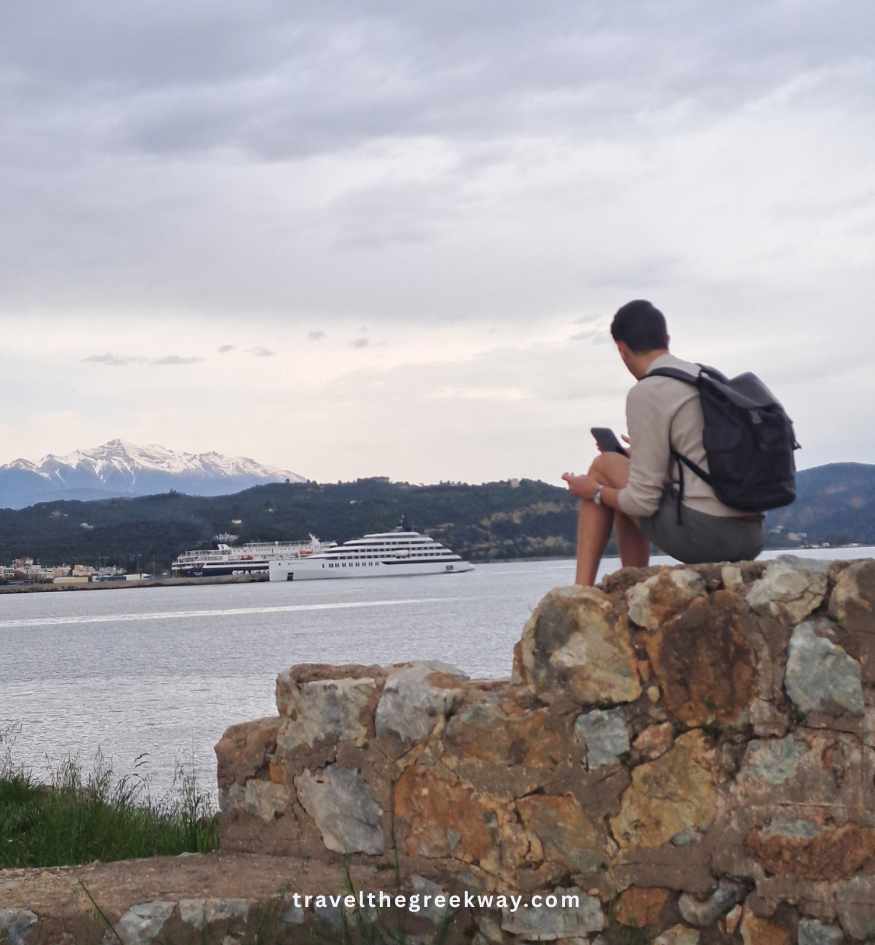
The Gythio Lighthouse is one of the most recognizable landmarks in town.
I particularly enjoyed the walk across Kranae because you leave the waterfront behind and get open views of the Laconian Gulf and Gythio from the other side.
3. Explore the Streets Above Gythio Harbor
Don’t limit your walk to Gythio’s waterfront.
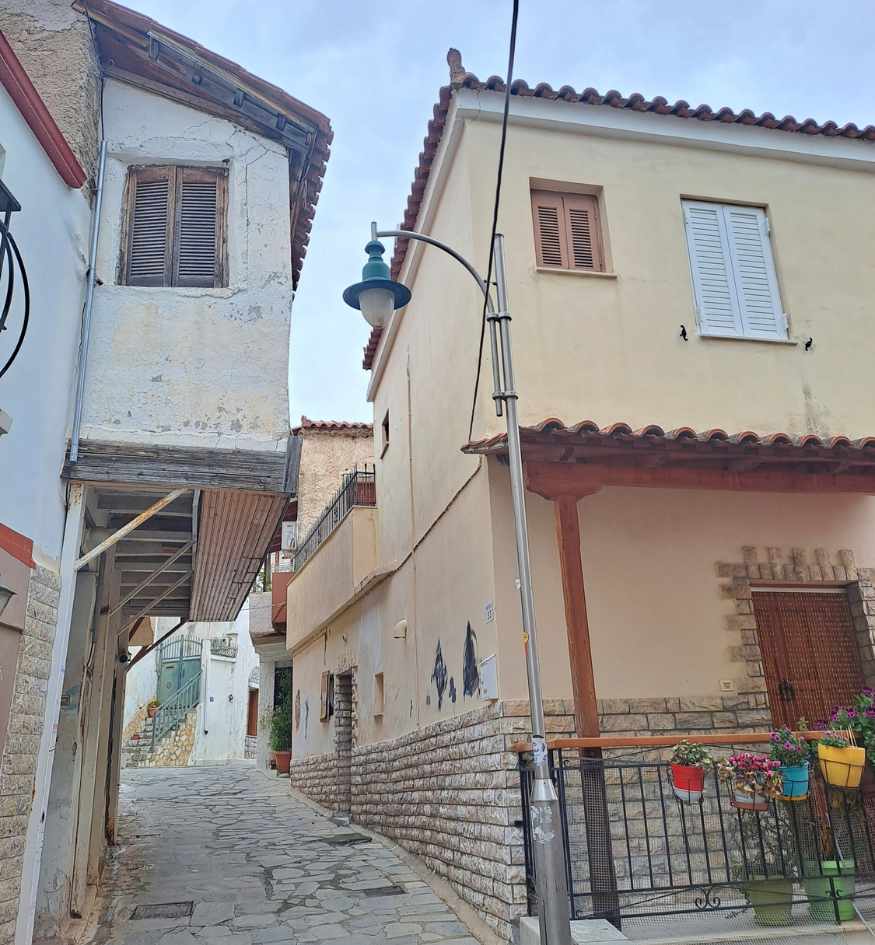
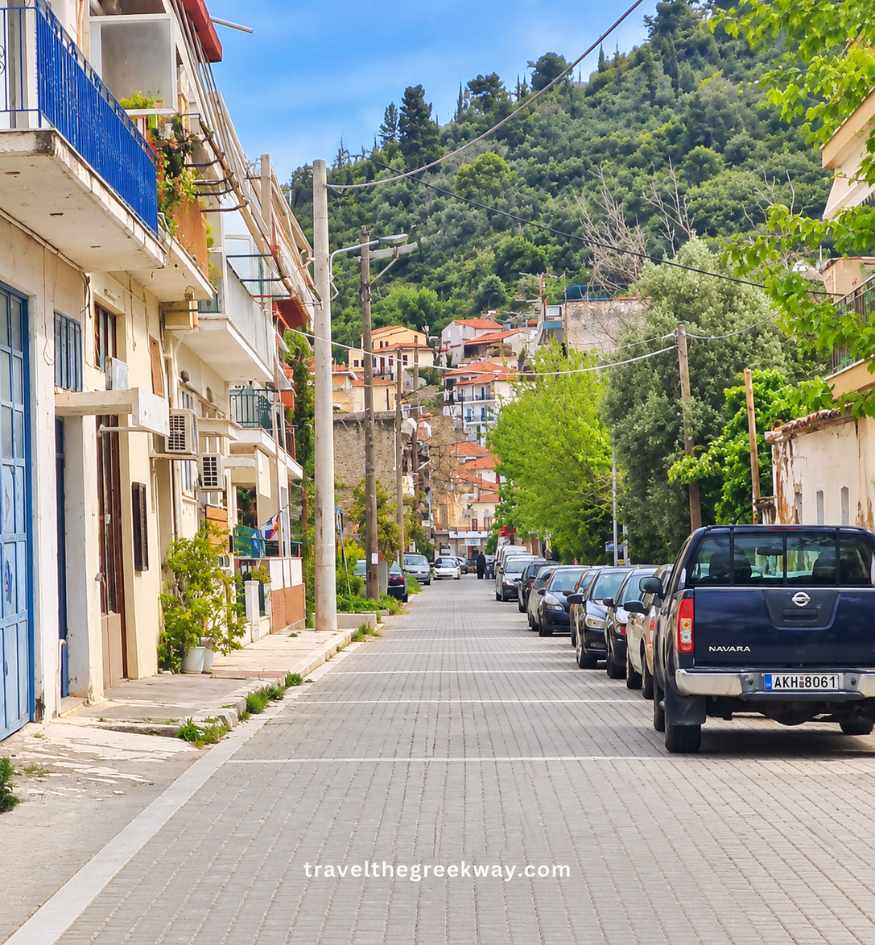
Head into the streets that climb behind the harbor, where you’ll find old houses, neoclassical buildings, small churches, and views over the town and sea.
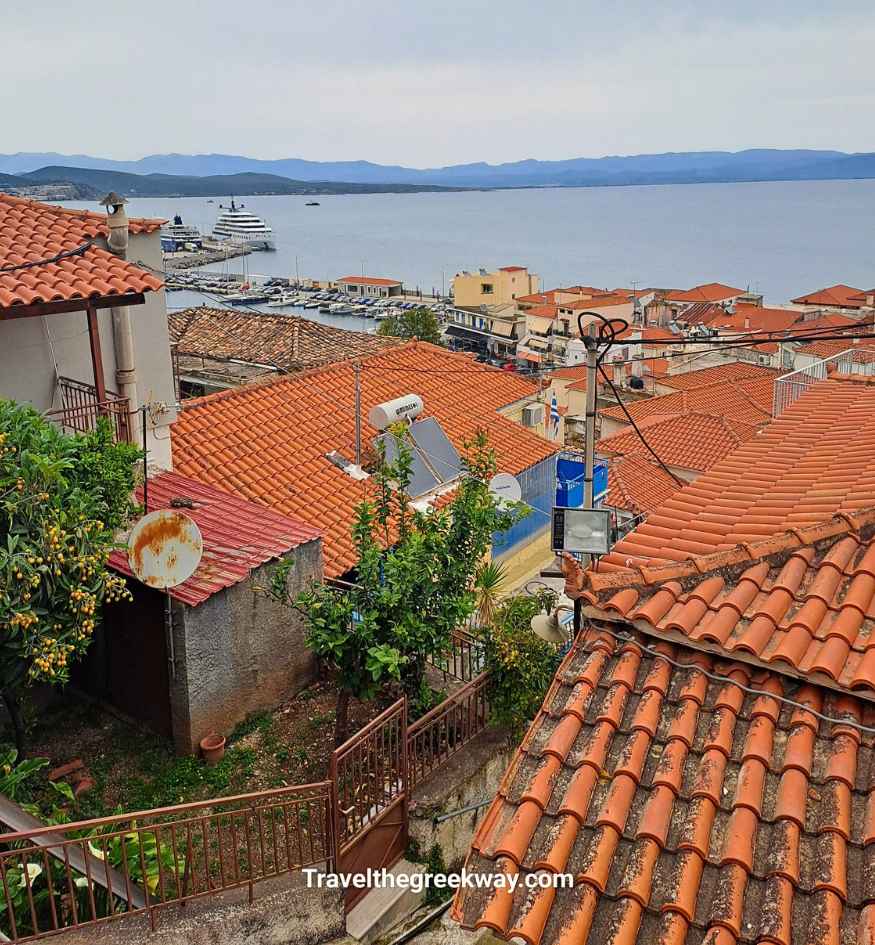
This was one of my favorite parts of Gythio. Some of the streets and old buildings unexpectedly reminded me of Venetian style, although Gythio has its own character and architecture.
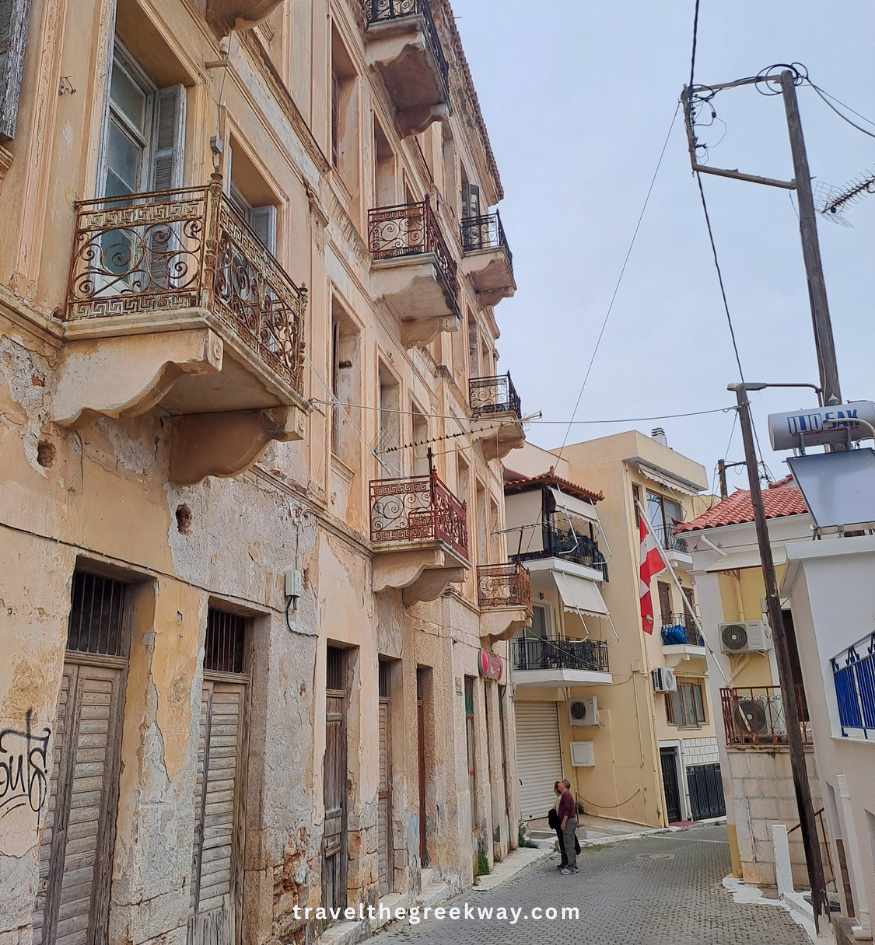
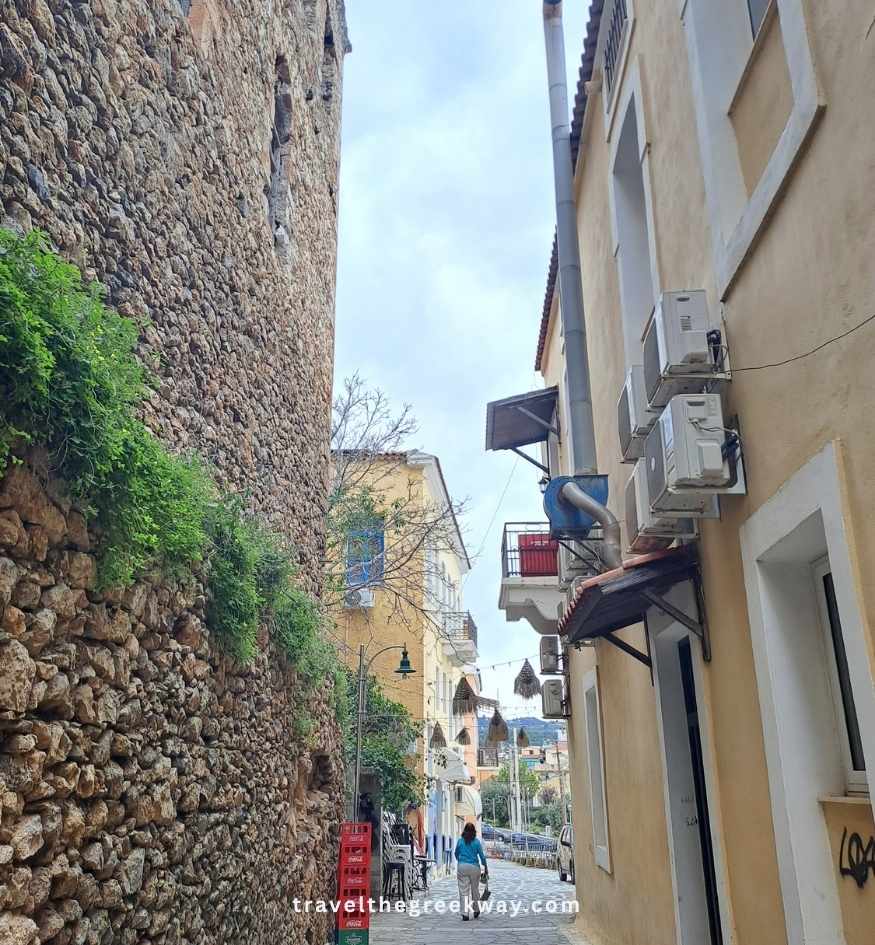
This is also where I discovered the old historic church of Agios Dimitrios on the hill that I mentioned earlier.
The present church dates from around the mid-18th century and was built over the remains of earlier churches. Its tall stone bell tower dates from the 19th century.
4. Visit the Dimitrios Shipwreck and Swim at the Beach

A short drive north of Gythio brings you to Valtaki Beach, where the rusting wreck of the Dimitrios sits right on the sand.
I visited the shipwreck myself, and it’s an unusual sight—especially because you can walk along the beach and see the wreck from close by.
I also filmed my visit to the Dimitrios shipwreck, so you can see how close the wreck is to the beach and what the area looks like.
5. Swim at Mavrovouni Beach
Mavrovouni Beach, just 2 km south of Gythio, is another easy stop while you’re staying in the area.
It is a long beach, so even when there are other people around, there’s plenty of room to find a spot, swim, and relax for a few hours.
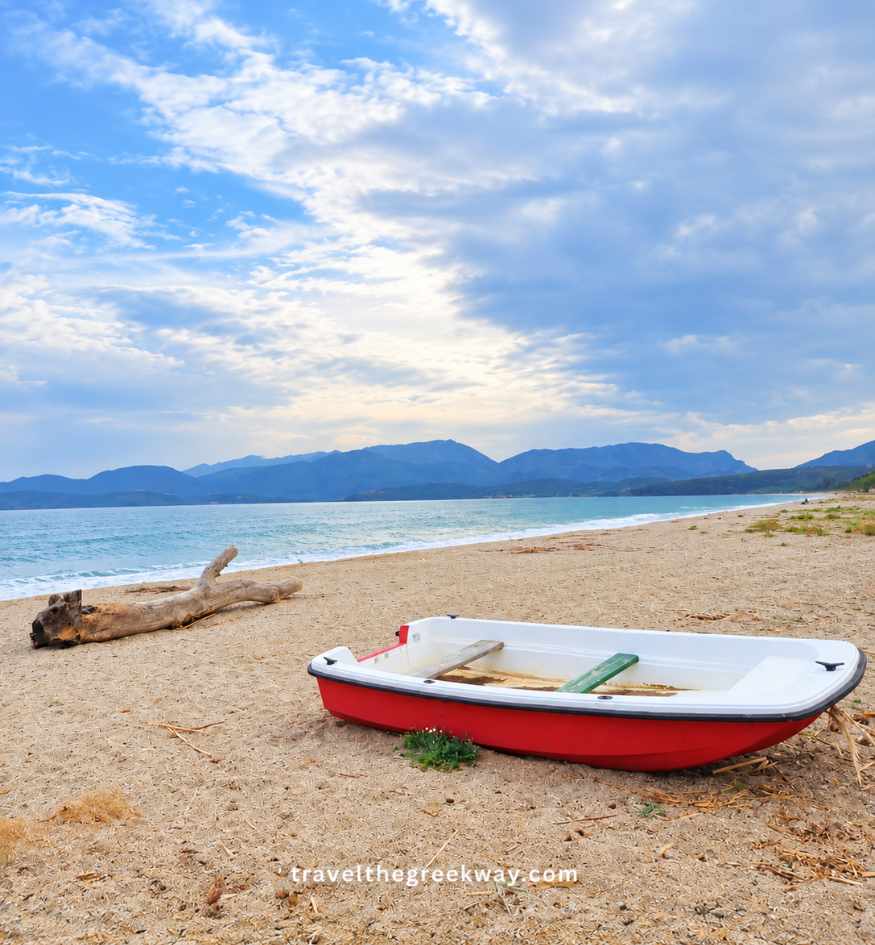
Mavrovouni is also a nesting beach for the protected loggerhead sea turtle (Caretta caretta).
If you visit during the nesting and hatching season, be careful around marked nests and avoid disturbing the turtles or hatchlings.
You can also join me on my walk around Gythio and Mavrovouni in the video below to get a better feel for the town and coastline.
6. Have Lunch by the Sea in Gythio
One of the pleasures of visiting Gythio is stopping for lunch along the waterfront.
The town has plenty of tavernas and restaurants facing the harbor, with fish and seafood naturally featuring on many menus.
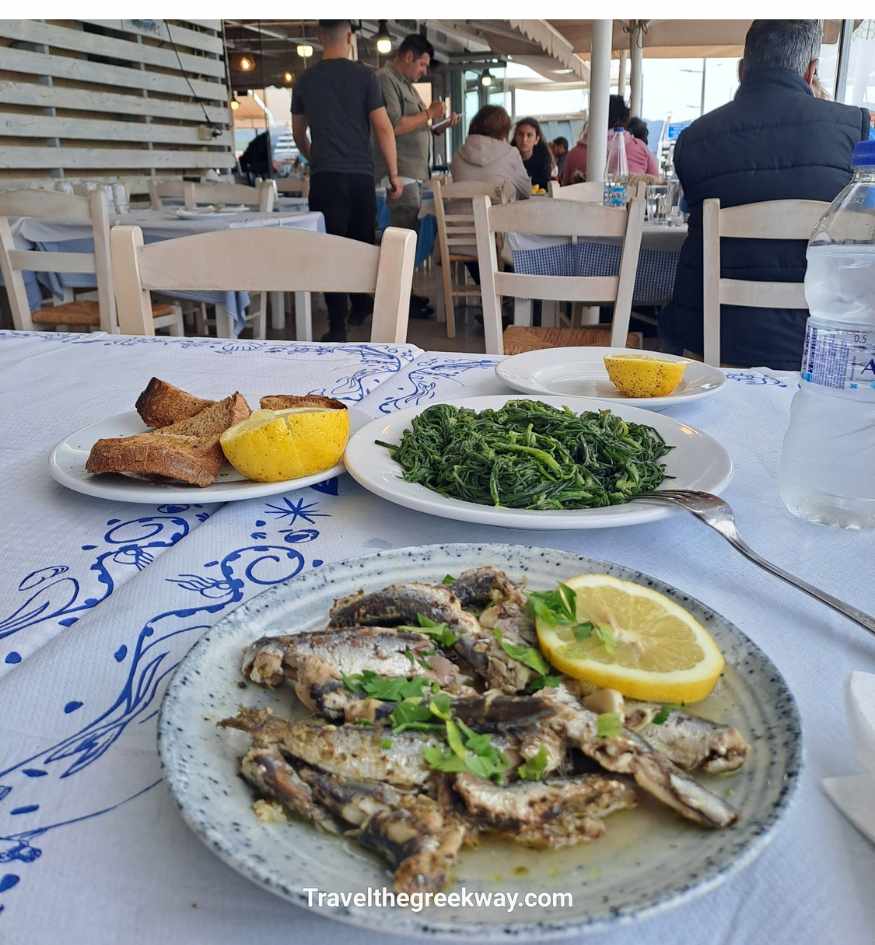
I had lunch at 90 Moires, a seafront taverna where I ordered fish with vlita, a type of leafy greens commonly served in Greece.
It was a simple Greek meal that cost around €25 and a nice break after spending the morning walking around Gythio.
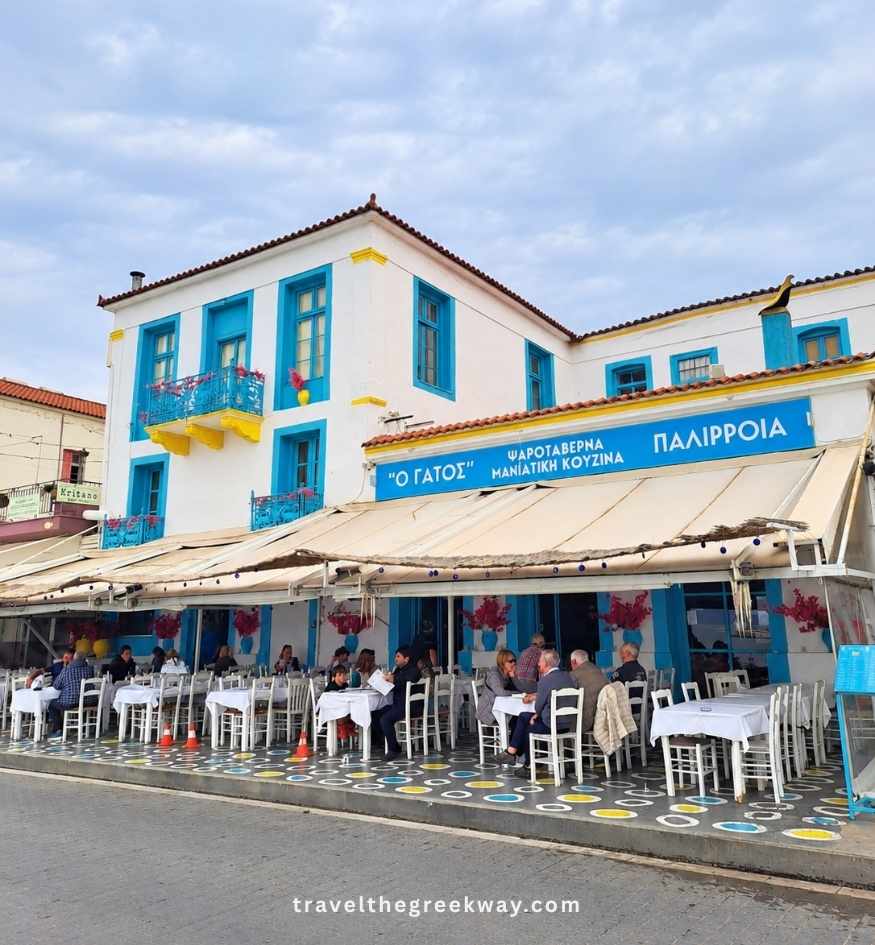
I also noticed O Gatos (Ο Γάτος) along the waterfront. It looked like a lovely place to eat, but I didn’t try it on this visit. I’ve added it to my list for the next time I’m in Gythio.
7. Use Gythio as a Base to Explore Mani
Gythio is a convenient base for exploring the Mani Peninsula, especially if you have a car.
I have traveled throughout this area, and you can easily spend several days visiting its stone villages, small coastal towns, and historic sites.

If you’re planning to explore Mani independently, having a car makes this part of the Peloponnese much easier to explore.
One of the main places to visit is Areopoli, a historic town known for its stone houses, cobbled streets, and traditional Maniot architecture.
From there, it’s a short drive down to Limeni, a small seaside village where the stone buildings sit right beside the clear water.
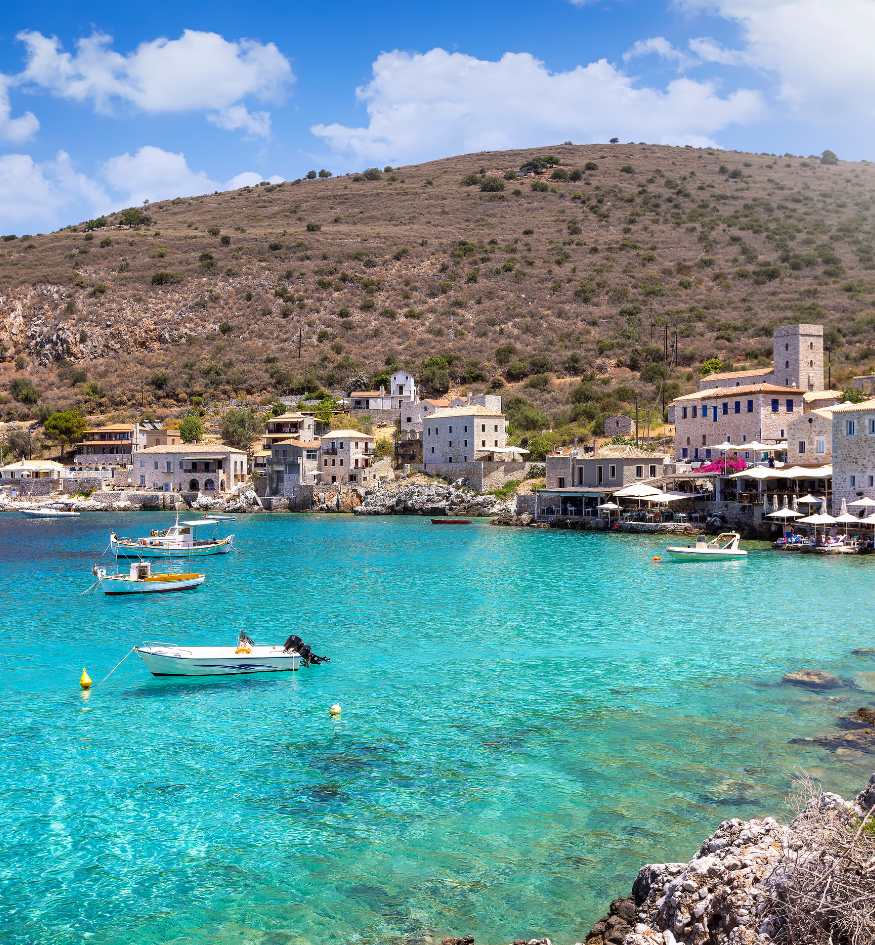
Farther south, you can visit the Diros Caves, where part of the cave system is explored by boat, and continue toward Gerolimenas, a small harbor settlement surrounded by the rugged Mani landscape.
If you have more time, drive farther south to Vathia, one of Mani’s best-known traditional settlements, with its distinctive stone tower houses overlooking the surrounding countryside and sea.
You don’t need to fit all of these places into one day. If you’re staying in Gythio for several nights, I would divide Mani into shorter trips and take your time rather than trying to race around the peninsula.
8. Take a Day Trip to Monemvasia and Elafonisos

Gythio is also a good base for exploring the eastern side of Laconia. Two of my favorite places in this part of the Peloponnese are Monemvasia and Elafonisos. I would give each its own day rather than trying to visit both in one day.
In Monemvasia, the medieval castle town is built on a huge rock connected to the mainland by a causeway.
I’ve visited several times, and I always enjoy walking through its narrow stone streets, Byzantine churches, old houses, and small squares.
If you have time, you can also spend a day in Elafonisos.
It’s a small island just off the coast, reached by a quick ferry from Pounta, and Simos Beach is the main reason I’d go, with its beautiful pale sand and turquoise water.
How to Get to Gythio
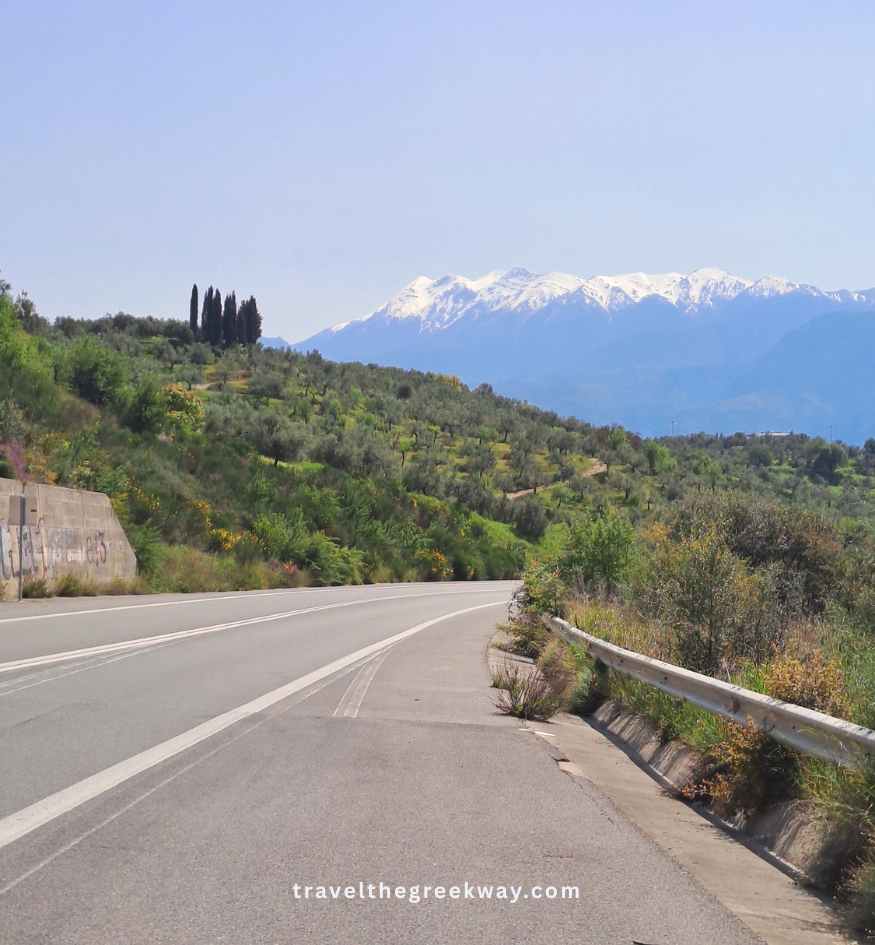
Gythio is in Laconia in the southern Peloponnese, about 255 km (158 miles) from Athens. Driving is the easiest option, especially if you also want to explore Mani, Monemvasia, and the rest of southern Laconia.
From Athens, the drive takes roughly 3 to 3½ hours, depending on traffic and stops. The route takes you through the Peloponnese toward Sparta, then south to Gythio.
A car is especially useful here because many of the places I mention in this guide, including Dimitrios Shipwreck, Mani, Monemvasia, and Elafonisos, are much easier to combine on a road trip.
You can also reach Gythio by KTEL intercity bus from Athens. The journey takes around four hours.
How Long Should You Stay in Gythio?
If you only want to see Gythio itself, half a day is enough.
If you want to use Gythio as a base, however, I would stay at least 2–3 nights. That gives you time for Gythio itself plus day trips into Mani or toward Monemvasia and Elafonisos without constantly changing hotels.
Where to Stay in Gythio
If you’re using Gythio as a base for exploring southern Laconia, these are three options in different settings:
YeeOn Boutique Hotel – My choice if you want to stay in Gythio itself. It’s housed in a restored historic building and suits travelers who want to be able to walk around town.
Castello Antico Hotel – A better choice if you prefer to stay by the sea, close to Mavrovouni Beach, while still being within easy reach of Gythio.
The Olive Yard – A good option if you prefer a quieter setting outside the center, surrounded by olive trees and with more of a countryside feel.
Best Time to Visit Gythio
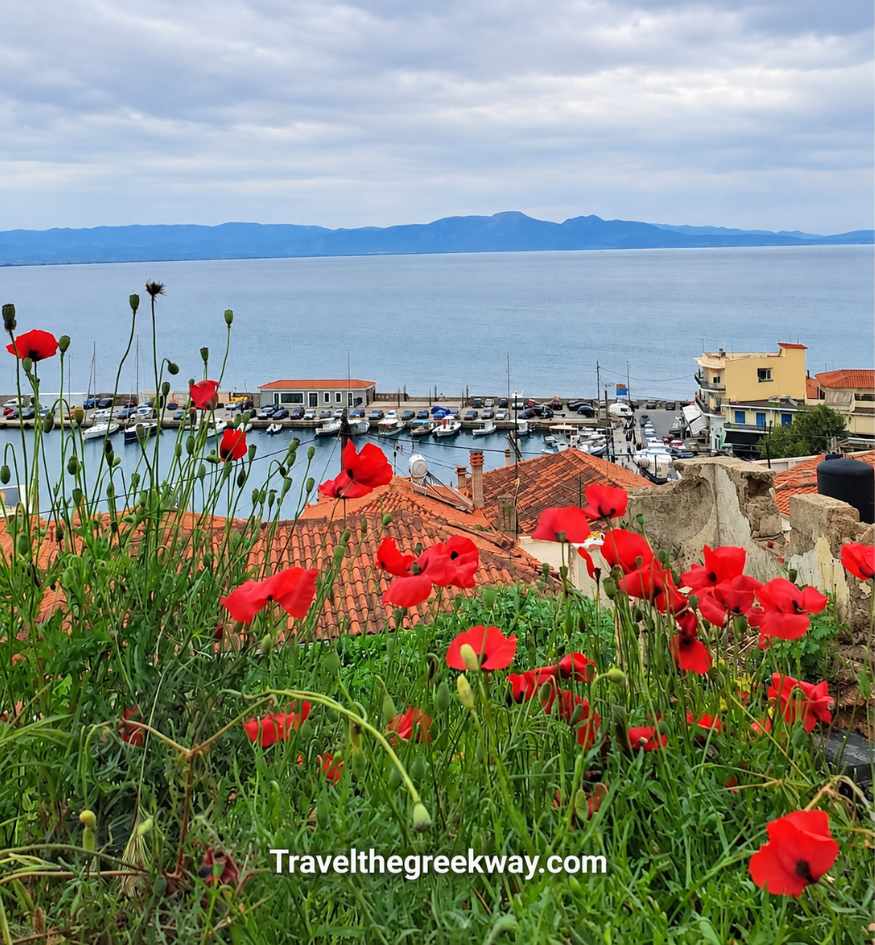
You can visit Gythio throughout the year, but spring and fall are my favorite times for exploring this part of the Peloponnese.
I visited in April, when the weather was comfortable for walking, the town was quiet, and I had no trouble finding parking.
Summer is better if your priority is swimming at Mavrovouni and the other beaches around Gythio, but July and August will naturally be busier and hotter.
Spring and fall also work particularly well if you’re planning a road trip through Mani, Monemvasia, and southern Laconia, as you’ll probably spend quite a lot of time walking and sightseeing outdoors.
FAQs About Gythio, Greece
Is Gythio Walkable?
Yes. Gythio is a relatively small town, and I explored the main sights on foot.
The waterfront and Kranae are easy to walk, although some of the streets behind the harbor climb uphill, so comfortable shoes are useful.
Does Gythio Have Good Beaches?
Yes. Mavrovouni Beach, just south of Gythio, is one of the best-known beaches in the area, while Valtaki Beach is where you’ll find the Dimitrios shipwreck.
Having a car makes it much easier to explore the coastline beyond town.
Can You Visit Gythio Without a Car?
Yes, you can reach Gythio by KTEL bus and explore the town itself on foot. However, I recommend having a car if you want to visit Mani, the Diros Caves, Monemvasia, Elafonisos, and the beaches around Gythio.
Is Gythio in Mani?
Gythio is in Laconia and sits just north of the Mani Peninsula.
It’s therefore a convenient starting point for a road trip into Mani, including Areopoli, Limeni, the Diros Caves, Gerolimenas, and Vathia.
What Is Gythio Known For?
Gythio is known for its seaside setting, colorful neoclassical buildings, Kranae and its lighthouse, nearby beaches, and the Dimitrios shipwreck at Valtaki Beach.
Historically, the area also served as the port of ancient Sparta.
Final Thoughts on Visiting Gythio
Gythio was one of those stops I enjoyed more than I expected. My favorite part was leaving the waterfront and wandering through the older streets above the harbor before heading back toward the sea.
If you’re planning a road trip through southern Laconia, Gythio is well placed to combine the coast with Mani and the eastern side of the peninsula.
Continue planning your trip with my Best Things to Do in the Peloponnese guide.
For more Greece travel tips and ideas for your next trip, join my free Facebook Group or follow me on YouTube for more videos from around Greece.
Happy and safe travels,
Evgenia
