If you’re chasing unique small towns in Athens, you must check out Marathon, Greece.
Marathon (Marathonas, Μαραθώνας) is just 42 km from Athens, and you can easily get there by car or public bus.
As a Greek living in Athens, I’ve been heading there for years—first with my parents to swim at Schinias beach, and now with friends for tavern nights, hikes, or a quick getaway from the city.
If you’re planning a day trip to the area, here are the best things to do in Marathon Greece, from ancient battlefields and historical landmarks to nature trails, beach spots, and local food.
This post includes links that may be affiliate links. If you choose to make a purchase through them, I may earn a small commission at no extra cost to you. Please see my disclaimer/privacy policy for more information.
What to Do in Marathon, Greece (Top 9 Ideas)
The town is mostly known as the birthplace of the original Marathon race of Pheidippides and is the starting line for the Athens Authentic Marathon.
However, there are a lot of amazing things to do in Marathon, making it the perfect Athens day trip.
1. Visit the Incredible Run Museum in Marathon
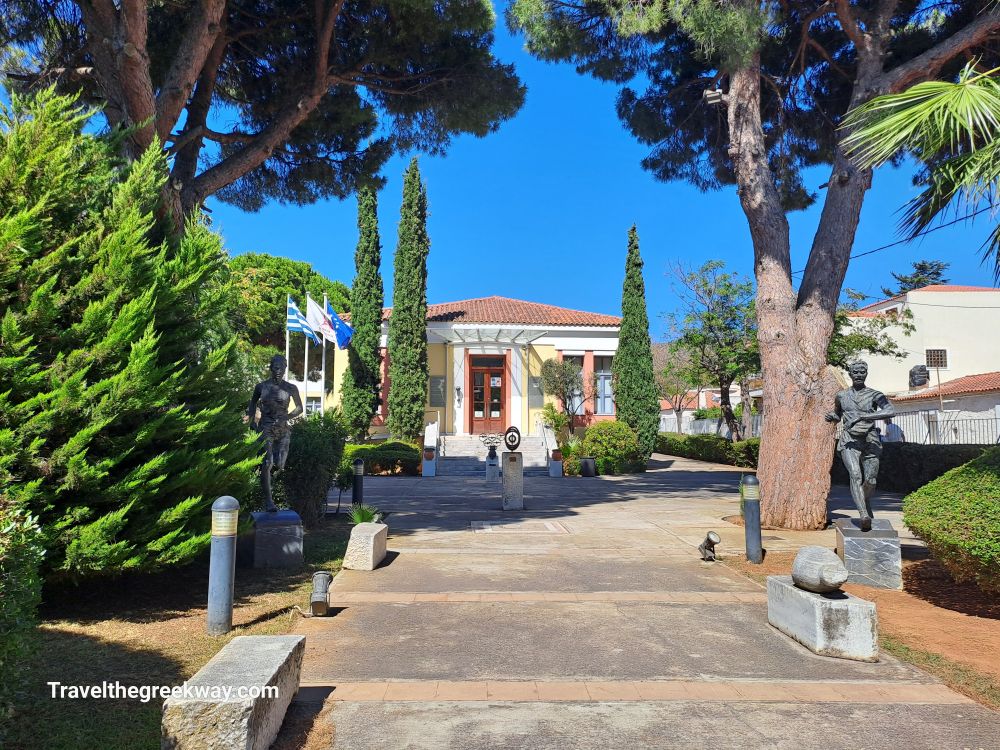
If you’re looking for something fun and family-friendly to do in Marathon, Greece, checking out the Marathon Run Museum is a great pick.
Whether you’re into history, running, or just love the Olympics, this place is a gem. It’s packed with cool stuff like medals, trophies, and souvenirs from marathon races around the world.
One of the highlights? The original gold medal won by Spiridon (Spiros) Louis, the very first winner of the marathon at the 1896 Olympic Games in Athens.
You’ll find the museum right in the heart of Marathon town. It’s open Tuesday to Friday from 9 AM to 3 PM, and on weekends from 10 AM to 2 PM.
Just a heads-up—it’s closed on Mondays.
2. Explore the Charming Town of Marathon

What I love about Marathon Town is its authentic Greek charm.
It’s a small town with local cafes and cozy yards full of vibrant flowers. It’s the perfect place to relax, enjoy a coffee, and soak in the friendly, laid-back atmosphere.

There is not a lot to do here besides the Run Museum and the Marathon race starting point.
However, you can stroll its cute streets and if you happen to visit during summer, as I did, the place will look very quiet and almost deserted!
By the way, it was also quite warm, so you’d better wear a sun-protection hat and apply lots of sunscreen (this is SPF 70!).
3. Participate in the Classic Athens Marathon
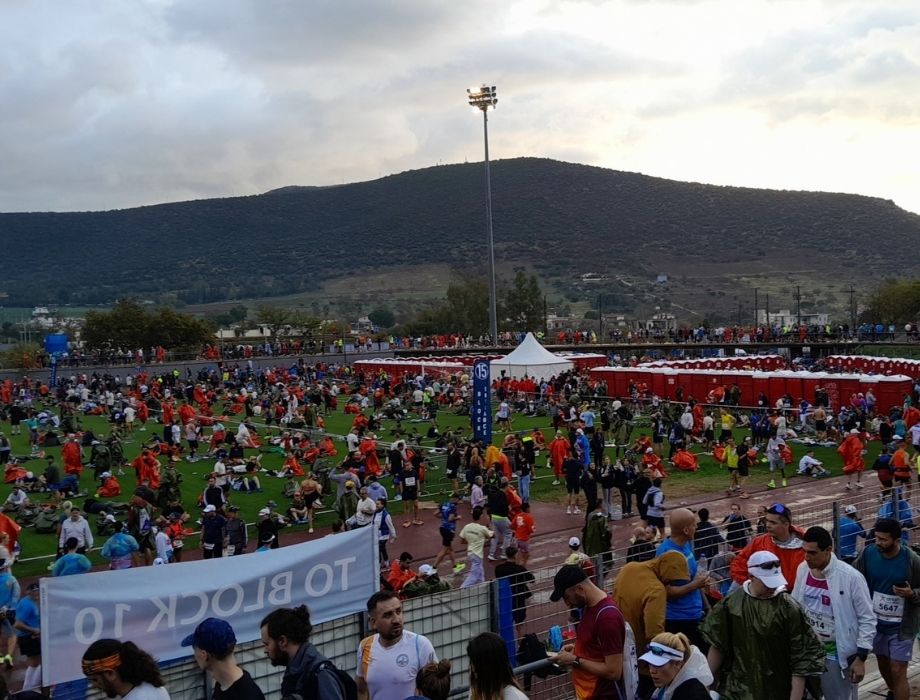
Participate in the ultimate runner’s challenge and where is better to do so than the birthplace of the real Marathon?
However, a word of caution: the 42,195m stretch from Marathon to Athens is renowned as one of the most demanding marathon routes worldwide. Are you up for the challenge?
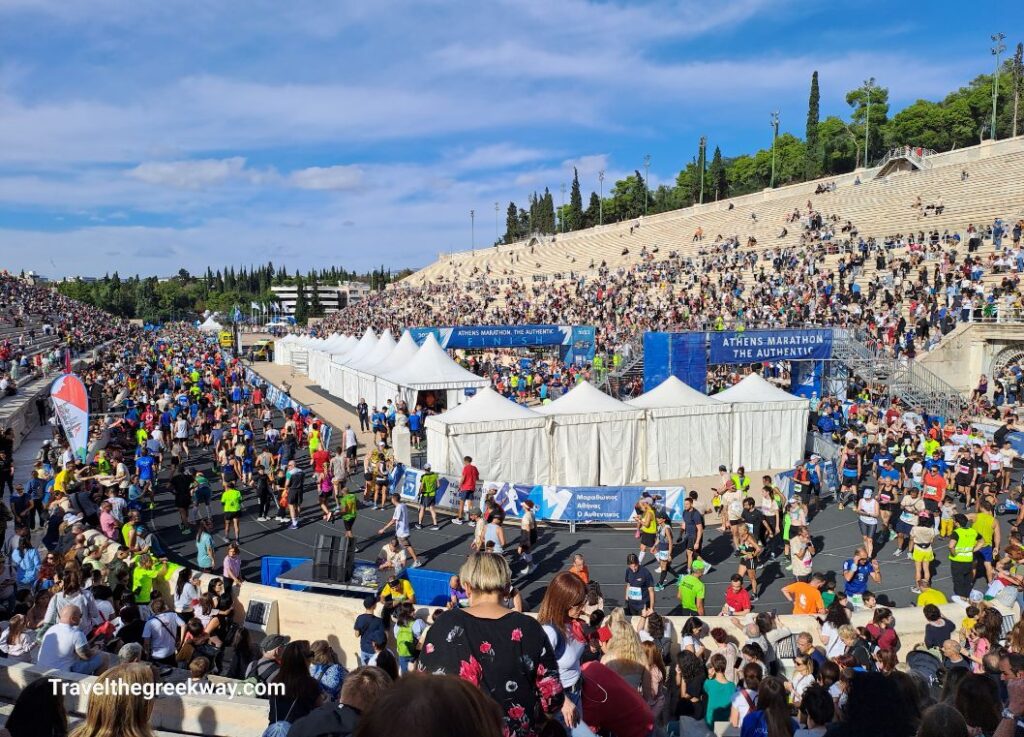
Even though it’s known as a tough course, thousands of runners from all over the world still show up to be part of the celebration.
Around 21,000 people take on the full 42.195-kilometer (about 26.2 miles) route, starting right from Marathon and finishing in style at the famous Panathenaic Stadium—the same spot where the very first Modern Olympic Games were held back in 1896!
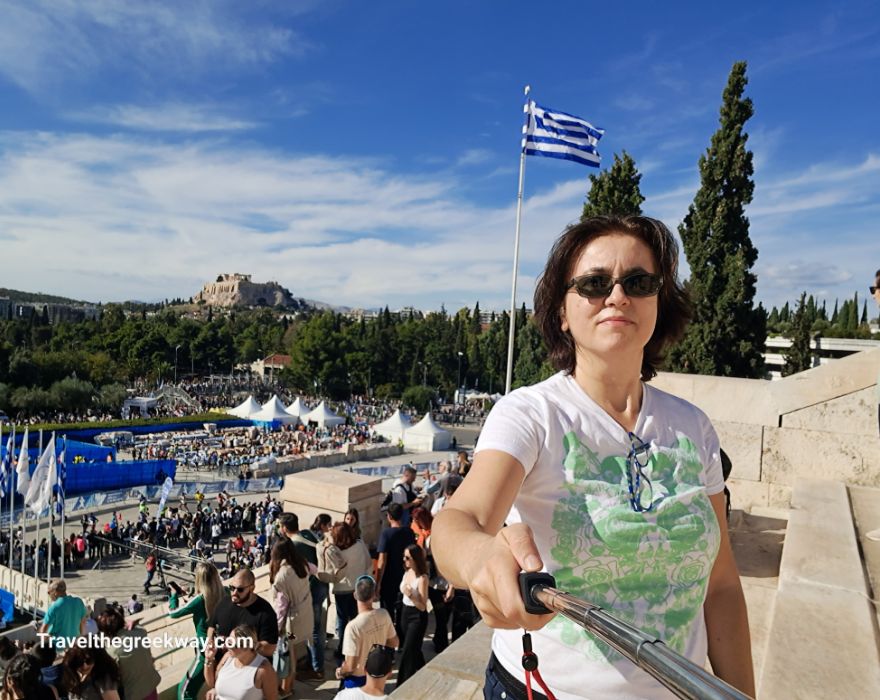
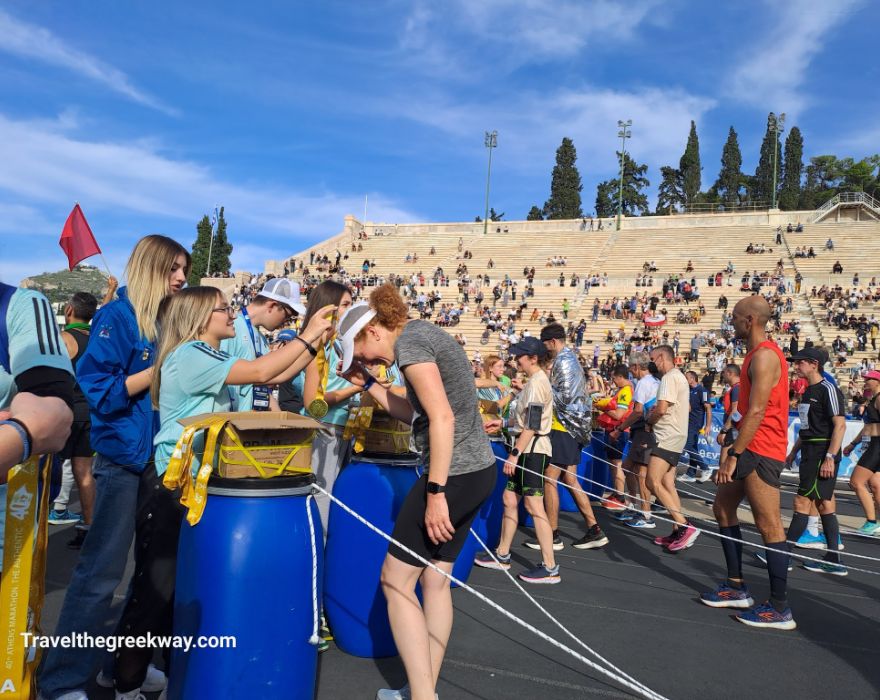
More than 70,000 runners from 140 countries signed up for the classic marathon and the other races taking place over the weekend, giving Athens a lively, international atmosphere.
4. Visit the Site of the Ancient Battle of Marathon
One of the best things to do in Marathon for history buffs is to visit the site of the ancient battle of Marathon.
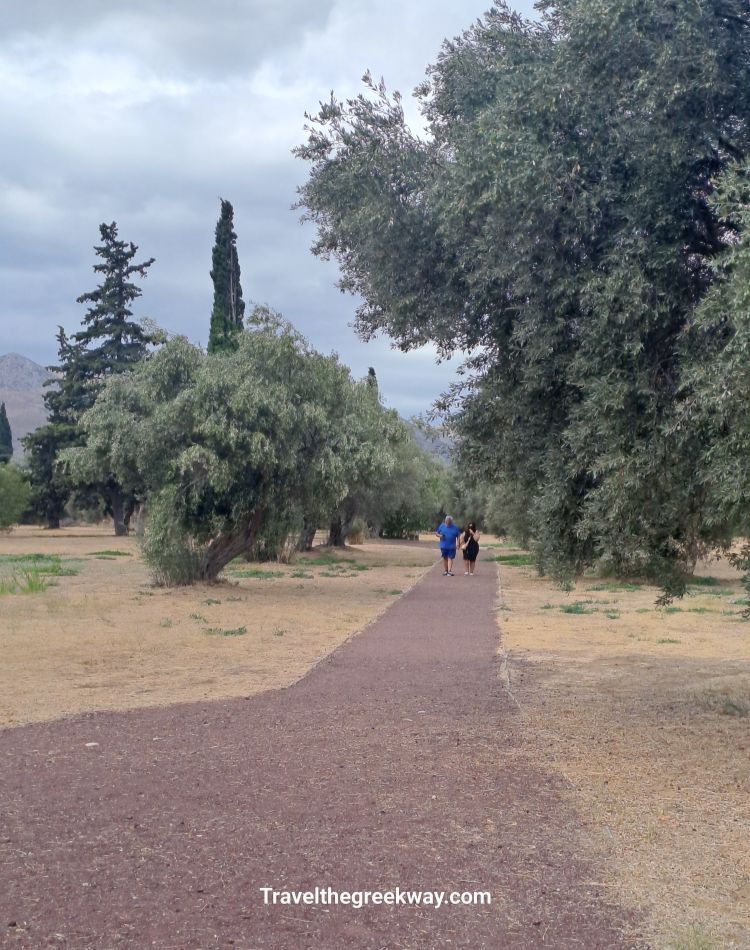
In 490 BCE, Athenian hoplites demonstrated remarkable unity as they faced and defeated the overwhelming Persian invasion force in the iconic Battle of Marathon.
According to Greek historian Herodotus, the Persian army and fleet outnumbered the 11,000 ancient Greek hoplites, comprised of 10,000 Athenians and 1,000 soldiers from Plataea (a town near Thebes).
When the Battle of Marathon concluded, an Athenian soldier named Pheidippides undertook an extraordinary run from Marathon to Athens to deliver the news of the victory.
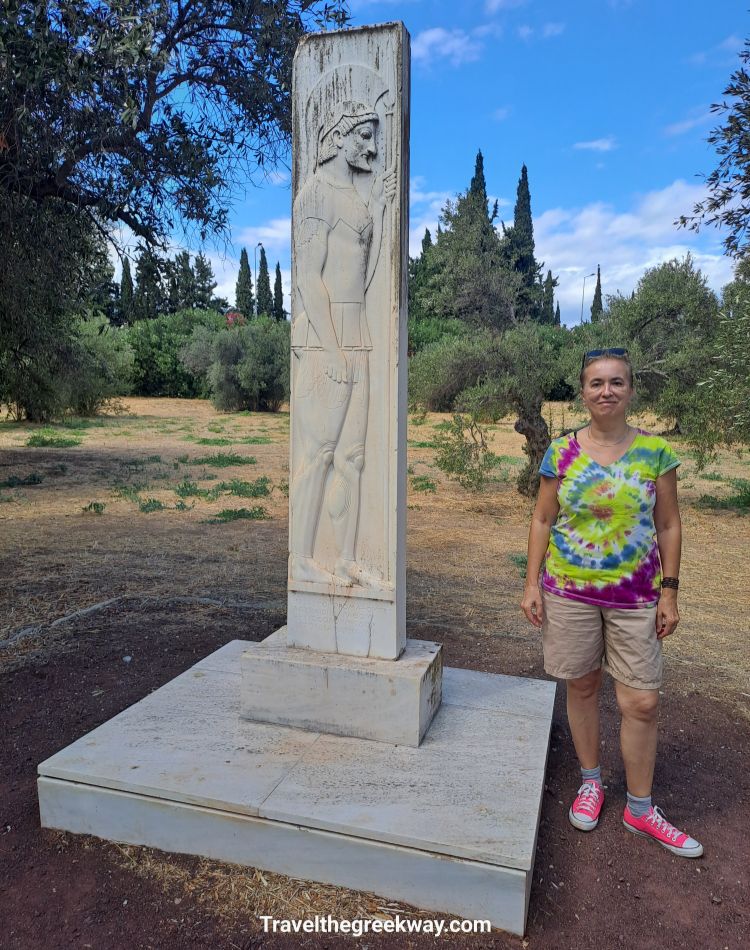
Exhausted but determined, he managed to utter the single word: ‘Νenikikamen,’ meaning ‘we won,’ before succumbing to a fatal heart attack.
Other Greek Battles against the Persians in Greek territory are:
- August 480 BCE: Thermopylae and Artemisium.
- September 480 BCE: Salamina Island.
- August 27th, 479 BC: Plataea in Beotia and Mykale in Samos.
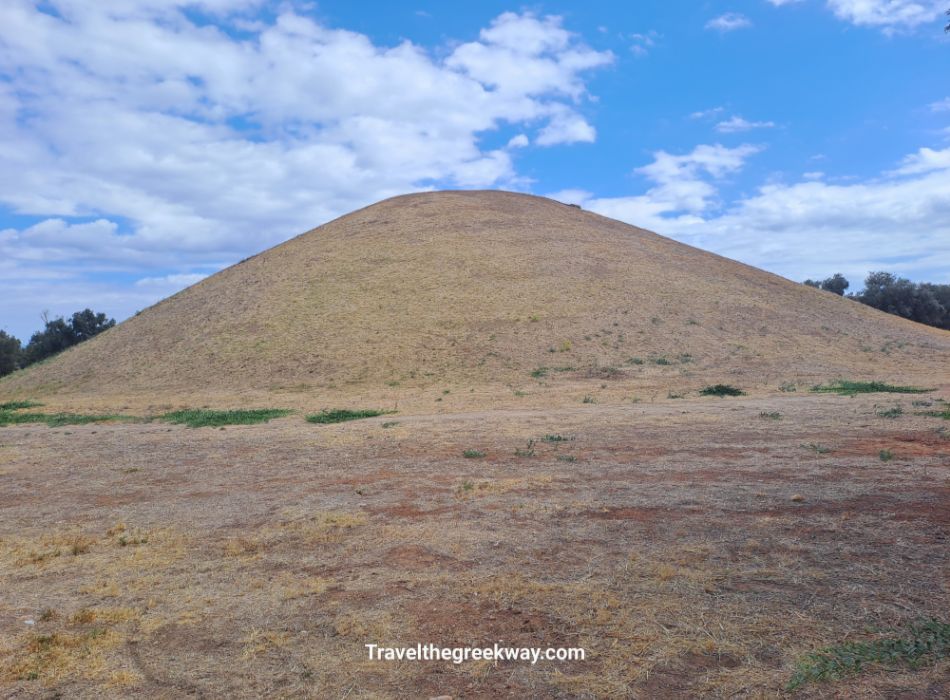
The Archaeological Site of the Ancient Battle of Marathon is quite modest but powerful in its significance.
One notable feature is the Athenian Tumulus, a solemn 10-meter-high burial mound. Here lie the remains of 192 Athenians who bravely gave their lives in the historic Battle of Marathon.
It is strictly forbidden to climb on the tomb.
While the Marathon Archaeological Museum is not located at the site itself, it’s well worth a visit to the nearby area of Vrana.
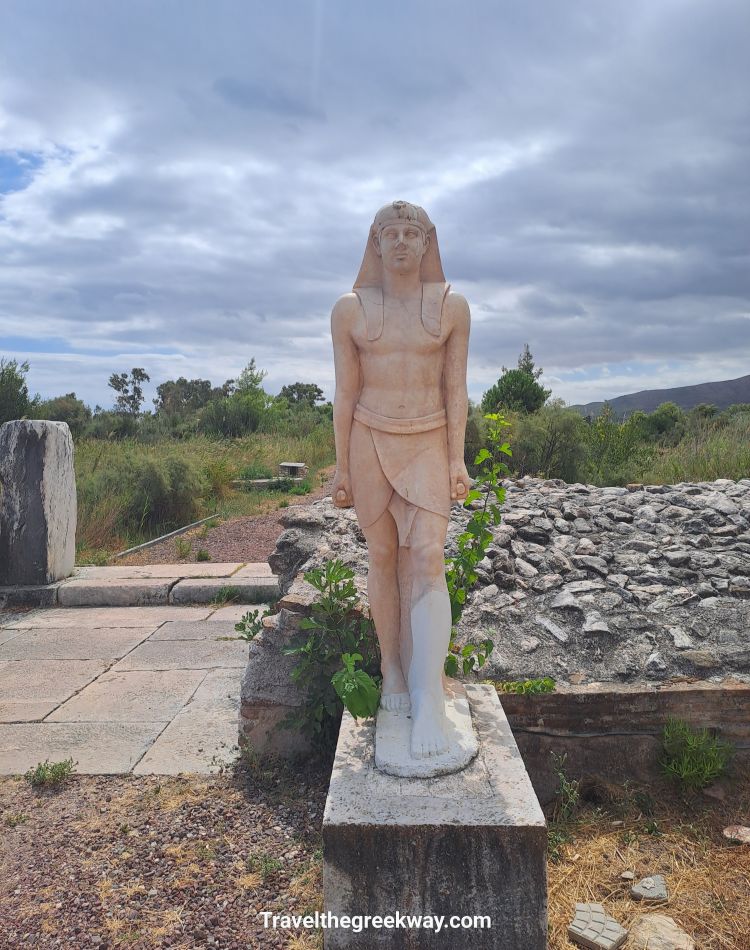
Despite its size, the museum offers a rich display of impressive statues and artifacts spanning the Neolithic, Classical, and Roman Eras.
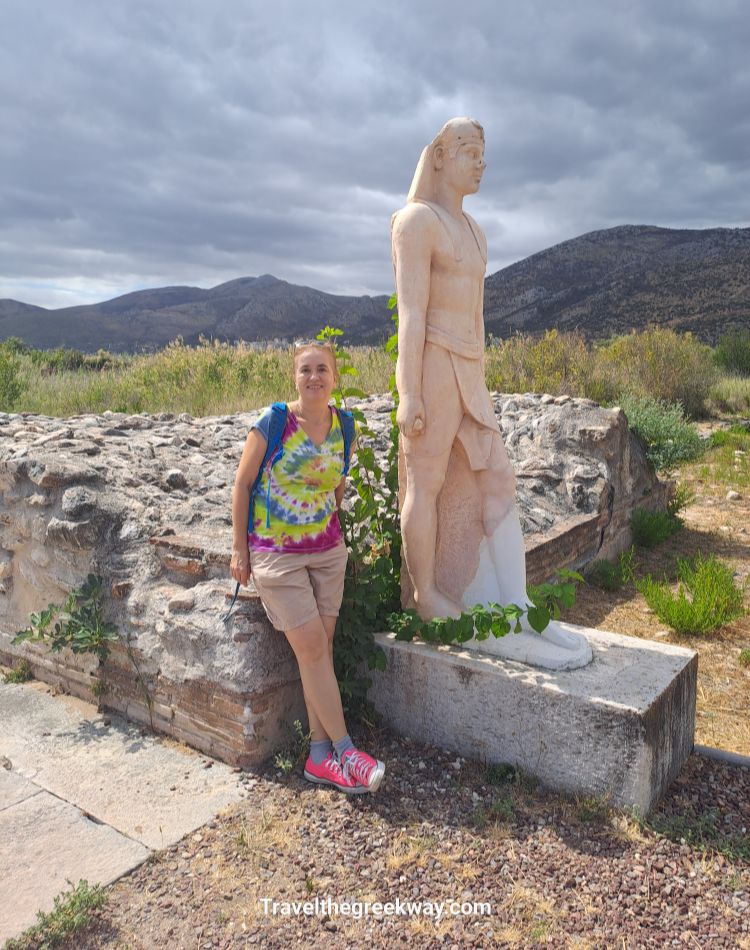
It also contains the original statues of the Egyptian Gods in Brexiza.
Admission is €5, and the museum is closed on Mondays.
Close by lies the Plataean Tumulus, serving as the resting place for the fallen Plataeans from the Battle of Marathon. Adjacent to the burial site stands a victory column, a testament to the shared valor of the Athenians and Plataeans in the historic battle.
Tour Tip: If you love ancient battlefields, then this guided tour to Marathon, Salamina, Thermopylae, and Plataea is ideal for you.
5. Discover the Unique Sanctuary of the Egyptian Gods (Brexiza)
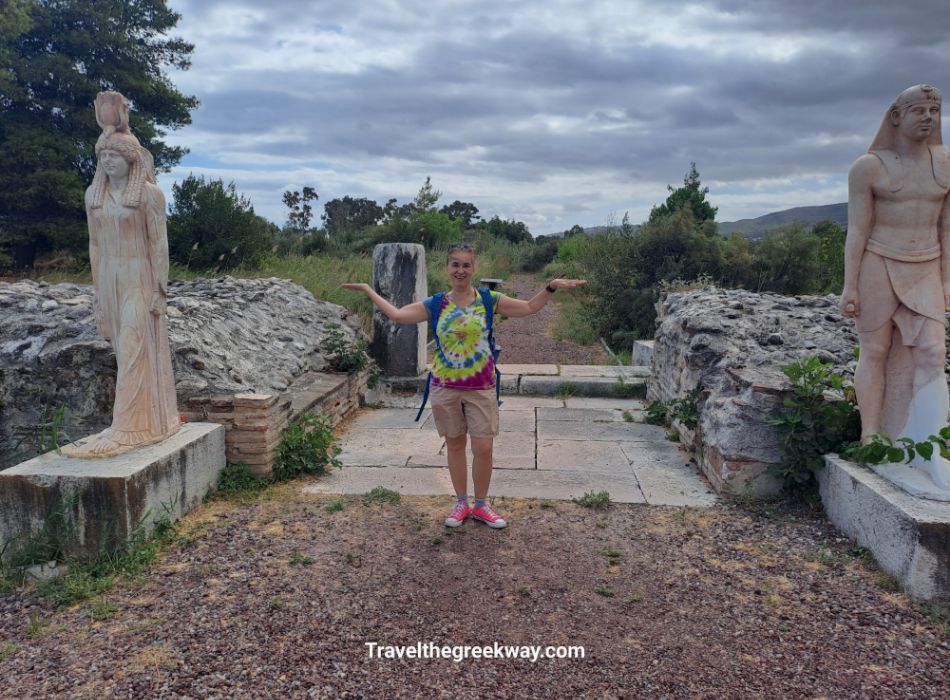
One of the coolest things to do in Marathon is to check out the incredible Sanctuary of the Egyptian Gods.
I actually stumbled across it by accident while heading to Marathon Beach for a swim—and I couldn’t believe what I was seeing.
Egyptian statues in the middle of an ancient Greek site? I mean, how does that even make sense?
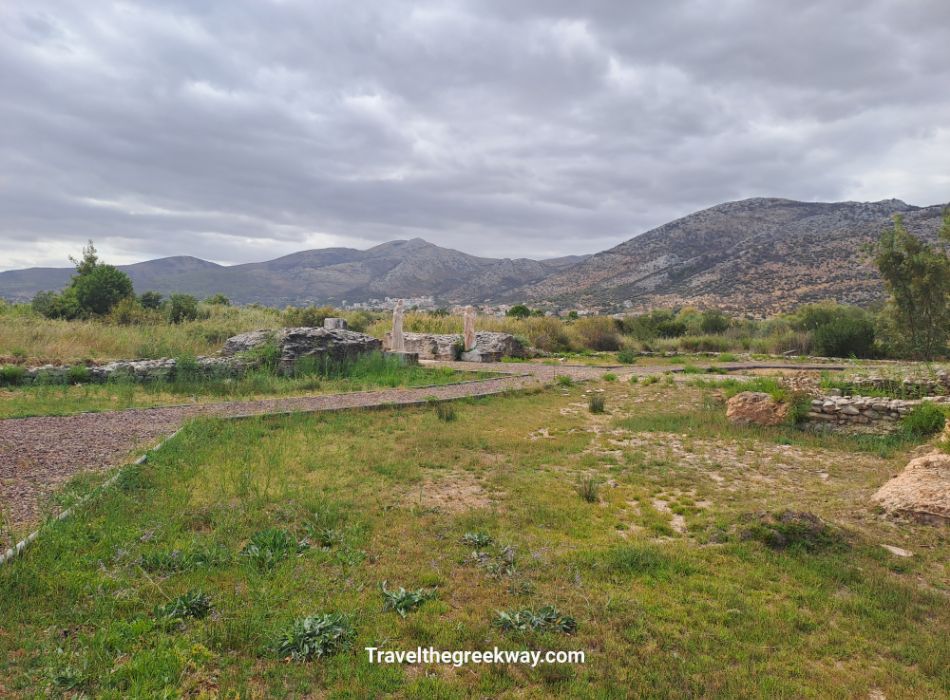
How was the Sanctuary of Egyptian Gods Constructed in Marathon?
Herodes Atticus was a wealthy Roman aristocrat and a great benefactor of Athens (also built the Odeon of Herodes Atticus in the Acropolis).
He lived in the area during the 2nd century CE, and he set up the sanctuary at the borders of his estate.
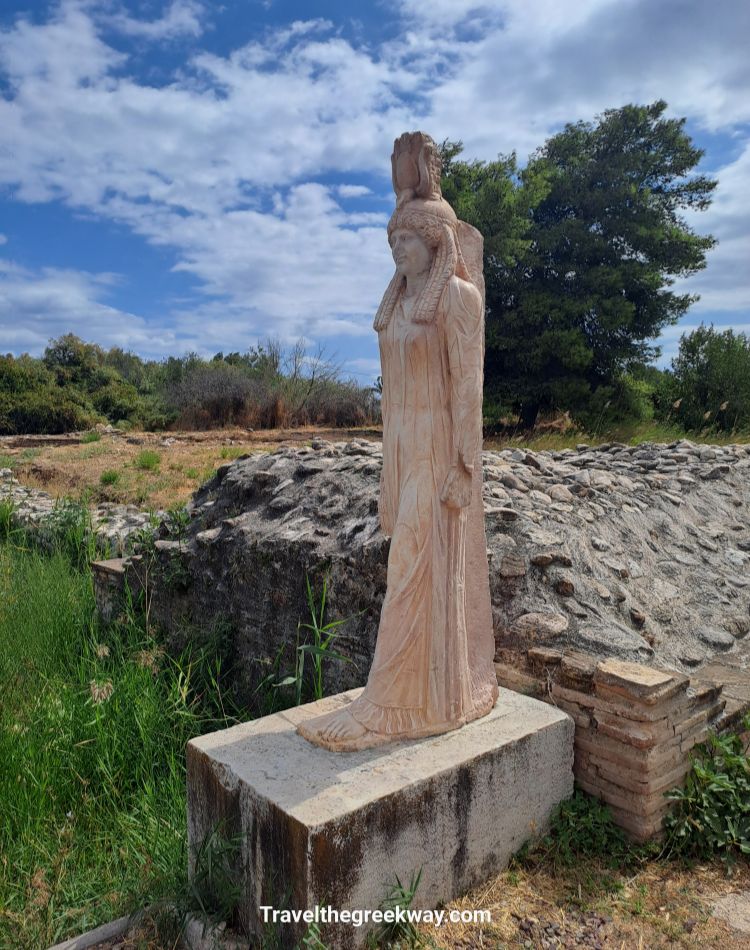
Today, you can walk around the site and see the replicas of Egyptian statues, remnants of opulent Roman baths, and a sizable oval fish pond. Notably, the site boasts monumental marble oil lamps, a rarity in Greece
Entrance to the site daily from 8:30 – 15:30, closed on Tuesdays, free entrance.
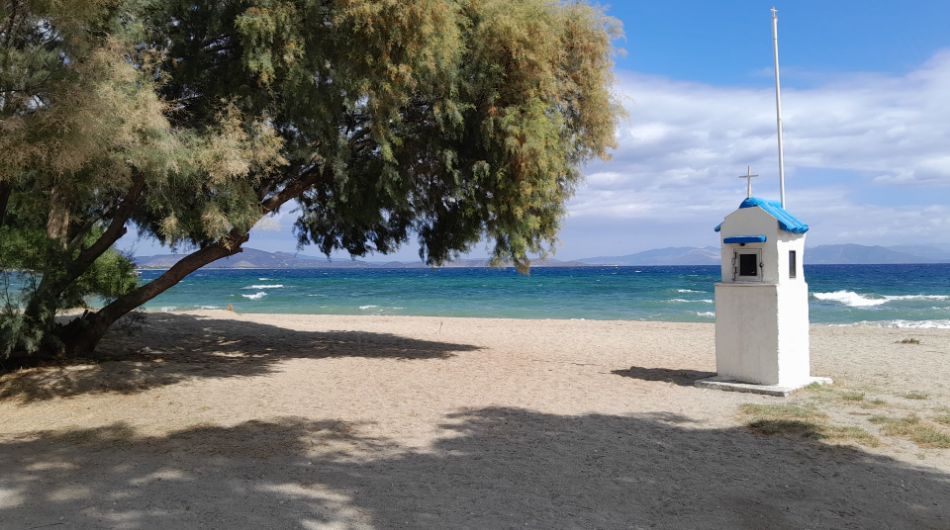
The Sanctuary is situated at Marathon-Nea Makri Beach, a charming locale perfect for a stroll and food tasting of fresh seafood at one of the many seaside taverns.
It’s an ideal place to unwind and savor the beauty of the surroundings after your visit.
6. Marathon Greece Νature Reserves: The Lake and the Marble Dam
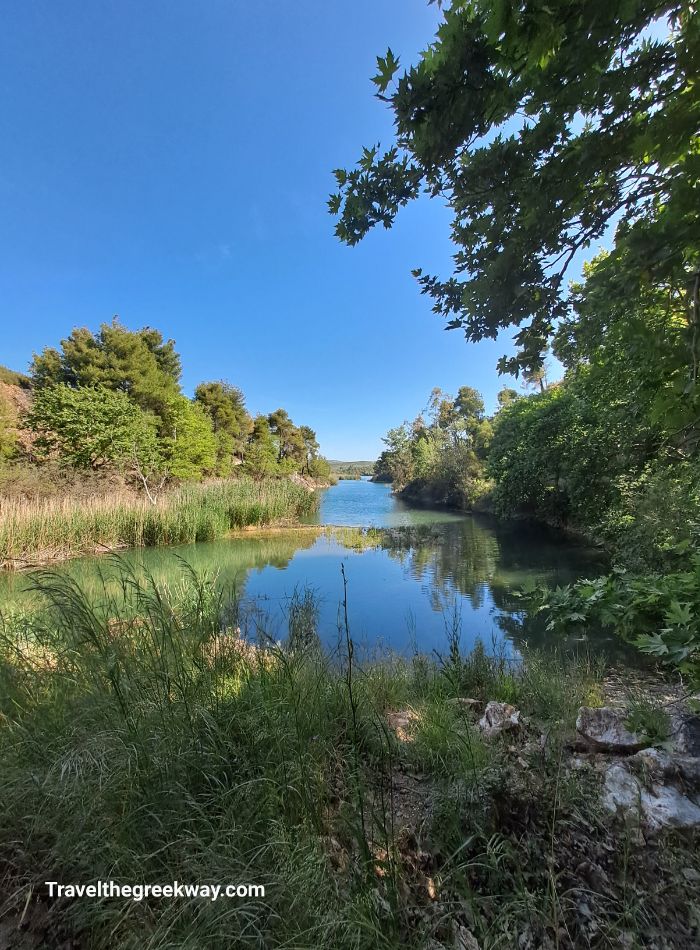
Marathon Lake is an artificial lake with dam walls reinforced using Pentelic marble—the very same marble used in the construction of the Parthenon.
It is located 9 km from Marathon Town.
This lake works as the main water reservoir that supplies Athens with drinking water, so swimming is not allowed!

The lake is a stunning place for you to walk or bike around, even though some parts of it have restricted access.
Over the years, it has attracted wildlife, and the surrounding area is lush green and fertile—ideal for you to enjoy a stroll or, even better, hike.
You may also enjoy: Best Day Trips from Athens
7. Best hiking trails in Marathon: The Gorge

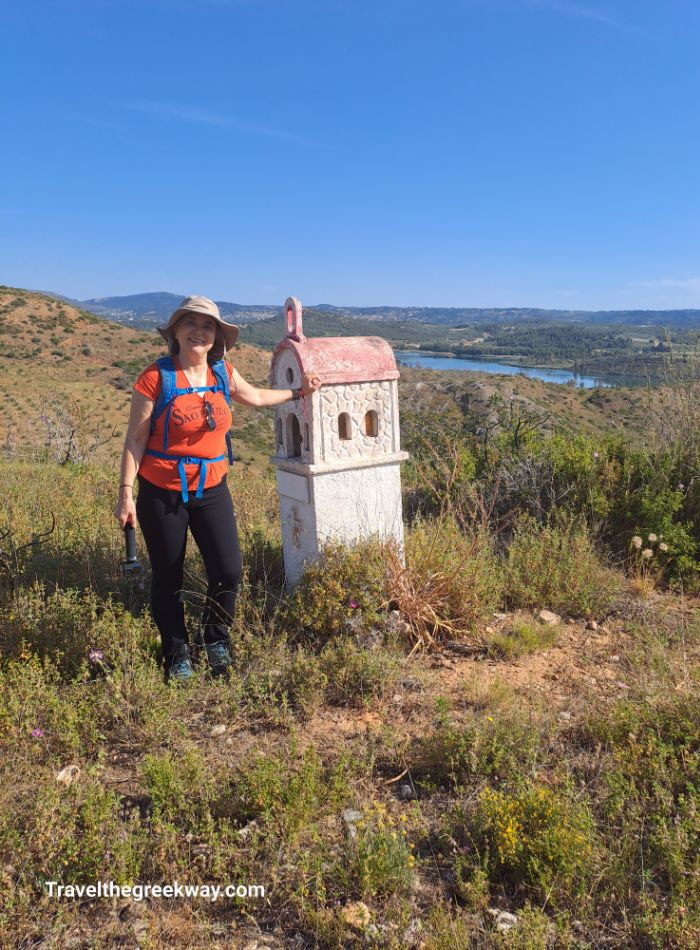
Right on Marathon Lake, you can hike one of the most beautiful areas in Athens, the Marathon Gorge. Some basic info on the signposted trail is:
Trail Type: Loop – Distance: ~11.4 km – Elevation Gain: 250 m
Difficulty: Easy – Dogs allowed: Yes
We started early in the morning at the top of the Marathon Lake Dam, clad in hiking gear and laden with bottles of water. Everyone was quite happy and cheerful. We arrived in the area using our vehicles. The weather was bright, sunny, and slightly fresh—perfect for a hike!
The trail begins just across from the abandoned and completely dilapidated café, which offers a view of Marathon Lake. It winds up through a dirt road, leaving the lake behind on our right side.
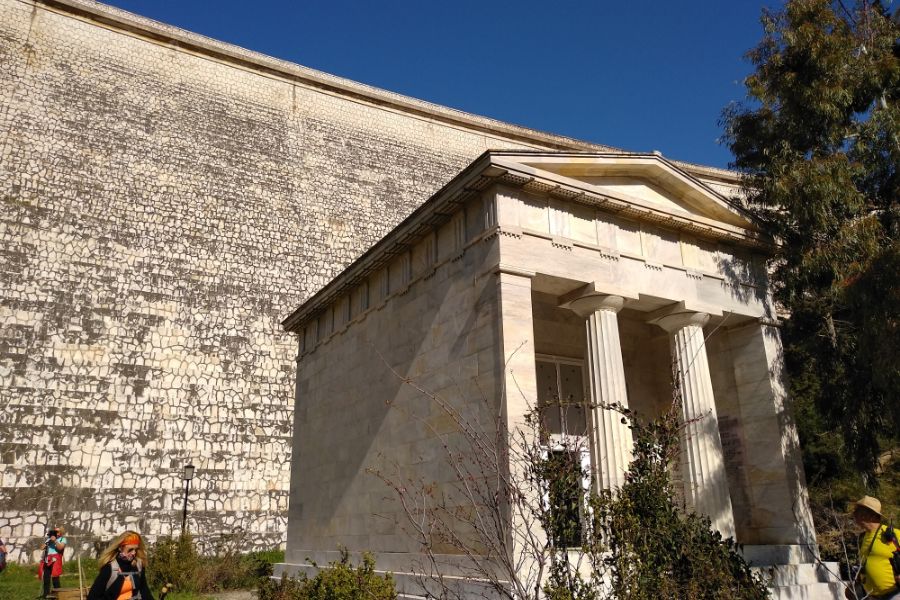
Hiking downhill, we reached the back of the dam, where a stunning replica of the Athenian Treasury found in the Delphi Archaeological site stands.
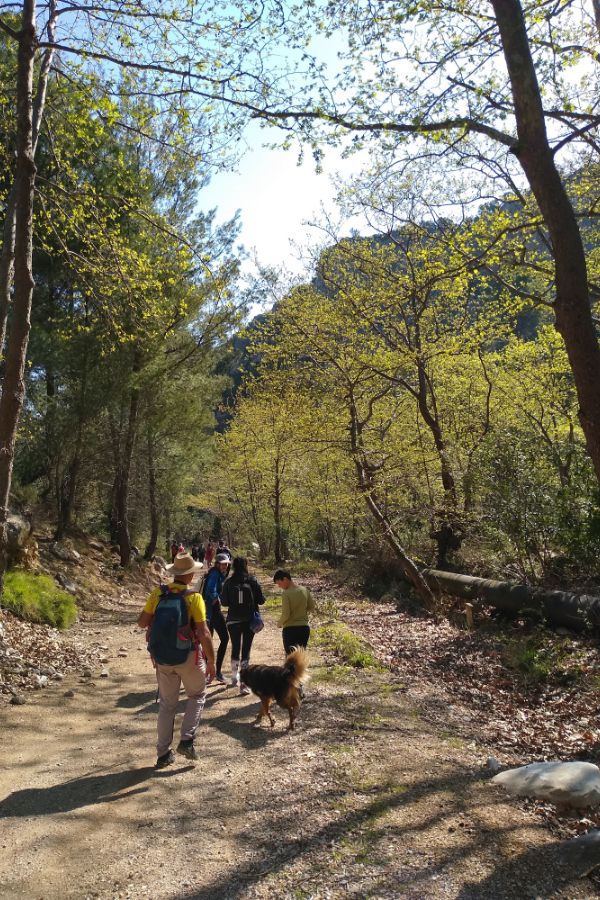
After taking our photos, we continued hiking to the actual gorge. Flanked by lovely plane trees and accompanied by a small stream of clear water on our right side, it was truly beautiful!
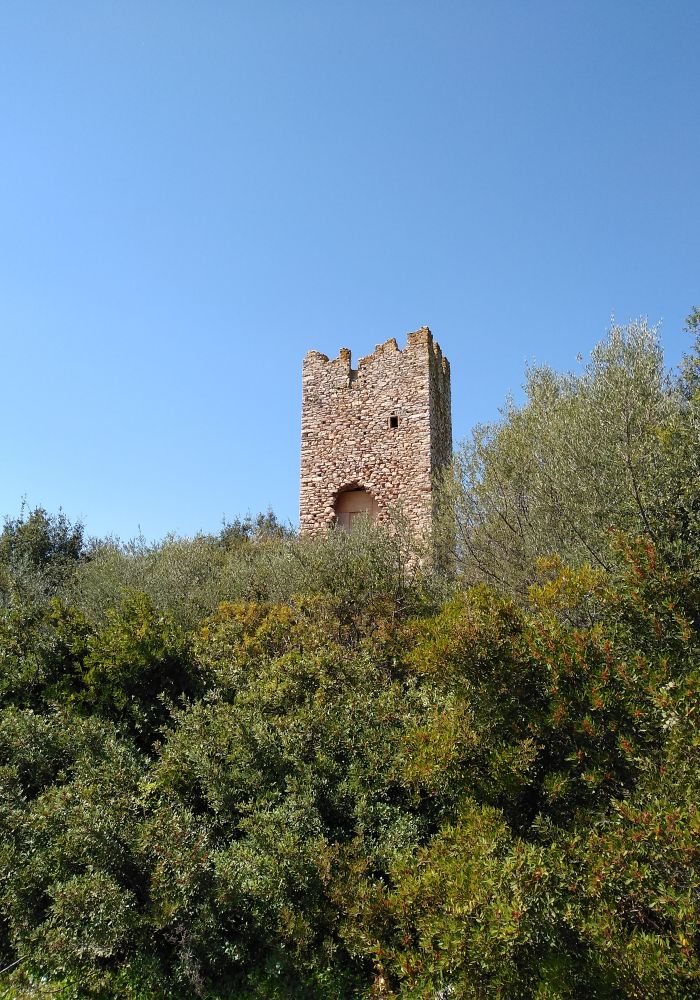
Before long, we arrived at the medieval Oinoi Tower, constructed in 1250 CE by the Frankish lord of Athens, Guy I de la Roche.
The valley was full of life—daisies and daffodils everywhere, with hawks or maybe small eagles circling overhead looking for prey.
We could hear sheep and goats nearby (and sometimes even catch a whiff of them), while dogs barked from the hills around us.
Since one of our group had their dog along, the shepherd dogs went wild every time we passed. Luckily, it only happened twice, and both times they were pretty far off.
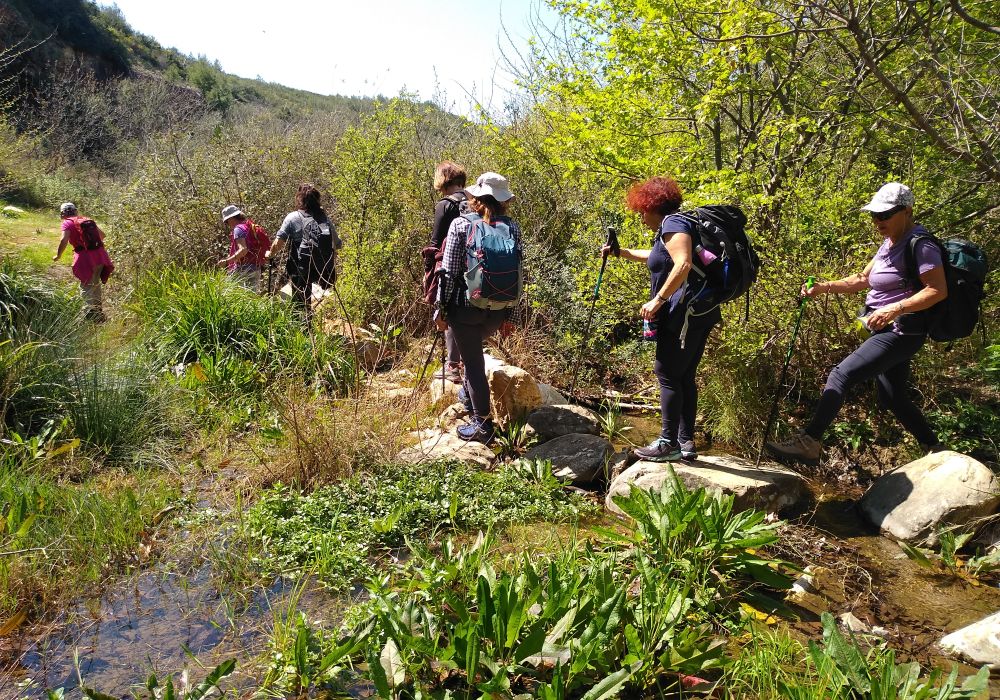
We crossed the riverbed a few times, adding to the excitement of this relatively easy hike. Once the hike was completed, we drove to Schinias Beach for a picnic.
8. Top Beaches near Marathon: Schinias Wetland
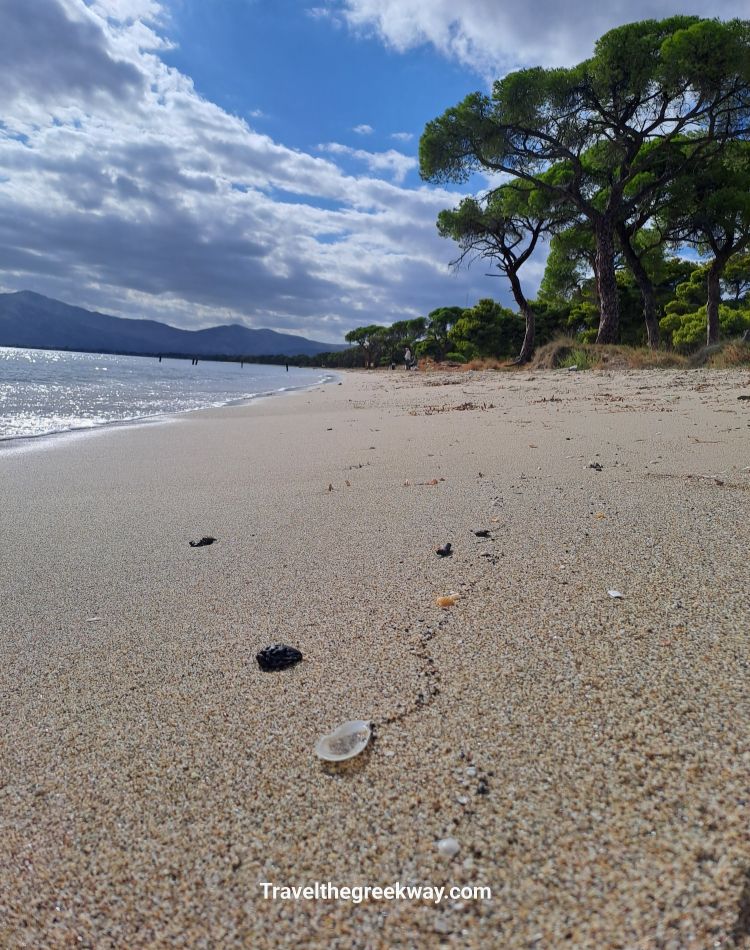
Southeast of Marathon and a short drive away, you find the Schinias Beach and Wetland, a National Park of great natural beauty.
The long sandy stretch, flanked by a beautiful pine forest, is frequently struck by strong winds, making Schinias an ideal beach for windsurfing.
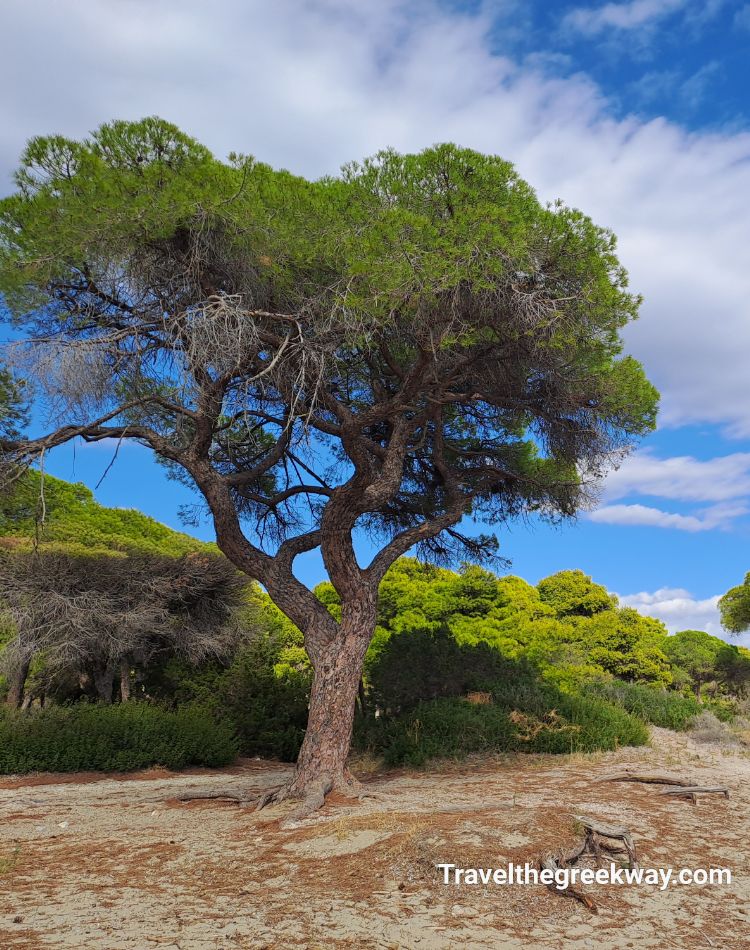
Nearby can be found as well the Olympic Rowing Center, which was used for the 2004 Summer Olympics.
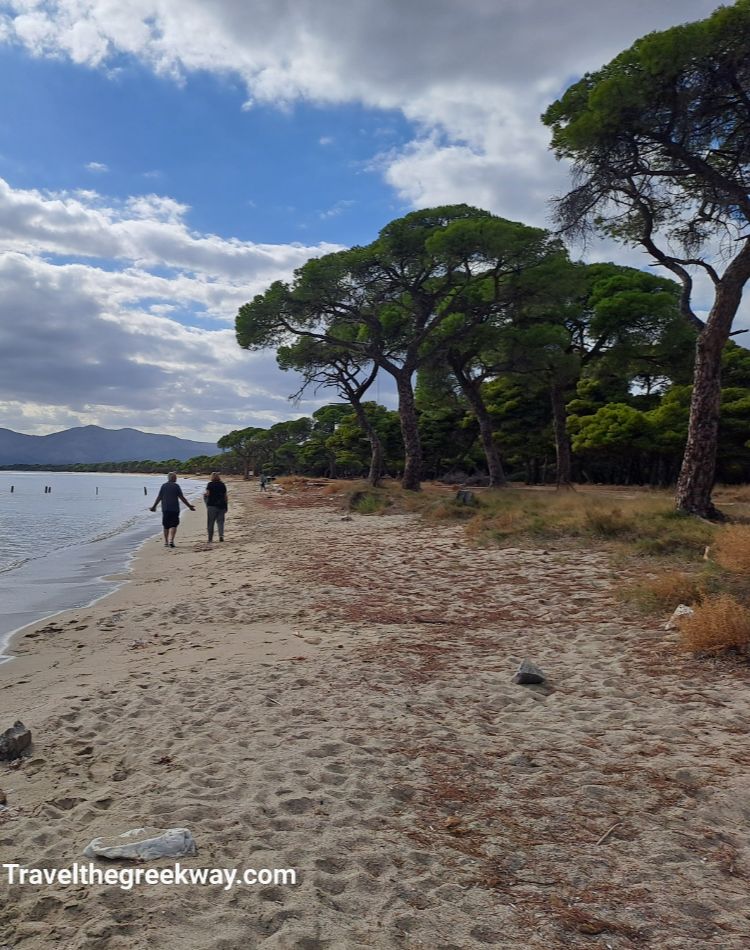
Schinias is great for a family, has quite shallow waters, and is great for picnics, but also for surfing, as it can get windy. On the main road, you can find several good taverns for your lunch.
Tour Tip! Are you an adventurous type and do you love off-road experiences? Book a Marathon Lake with a 4×4 vehicle private tour!
9. Saint Ephraim Monastery
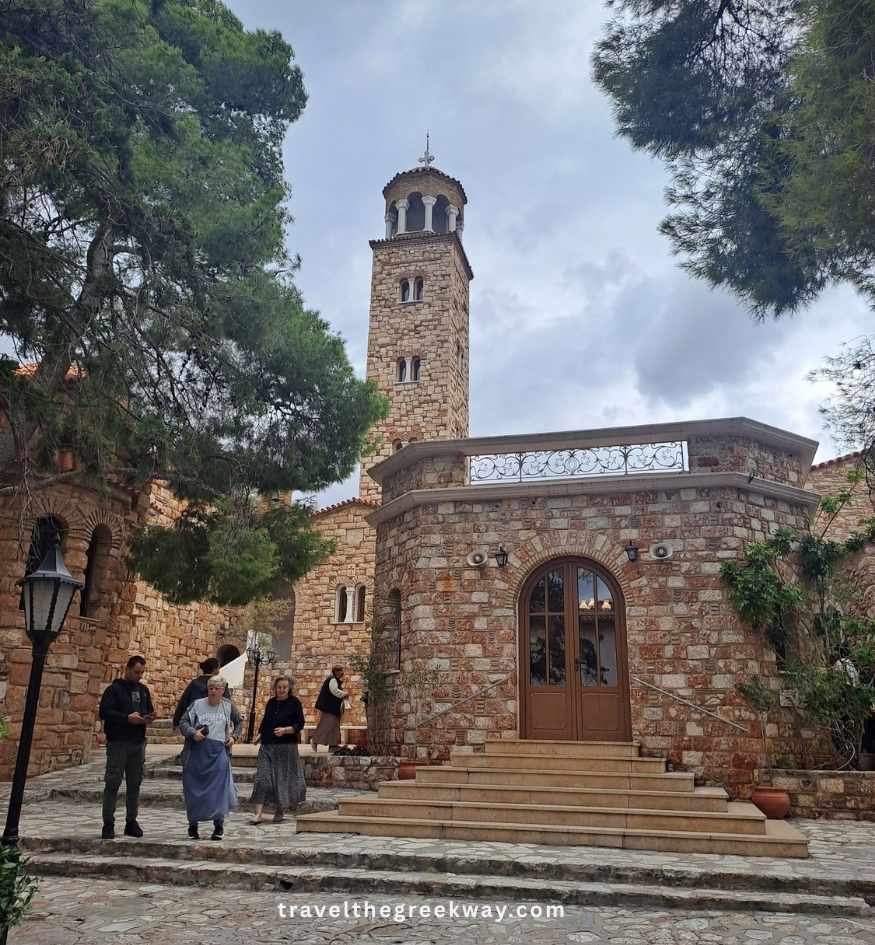
A beautiful monastery to visit near Athens is the Holy Monastery of Saint Ephraim, a historic Byzantine monastery dating back to the 10th century.
It is located on the Hill of Amomon in Nea Makri and is home to a community of nuns.
The monastery is also an important pilgrimage site in Greece because it houses the remains of Saint Ephraim.
If you’re interested in religious and Byzantine sites, you can also read my guide to the Byzantine churches in Athens.
Fascinating Day Trips from Marathon
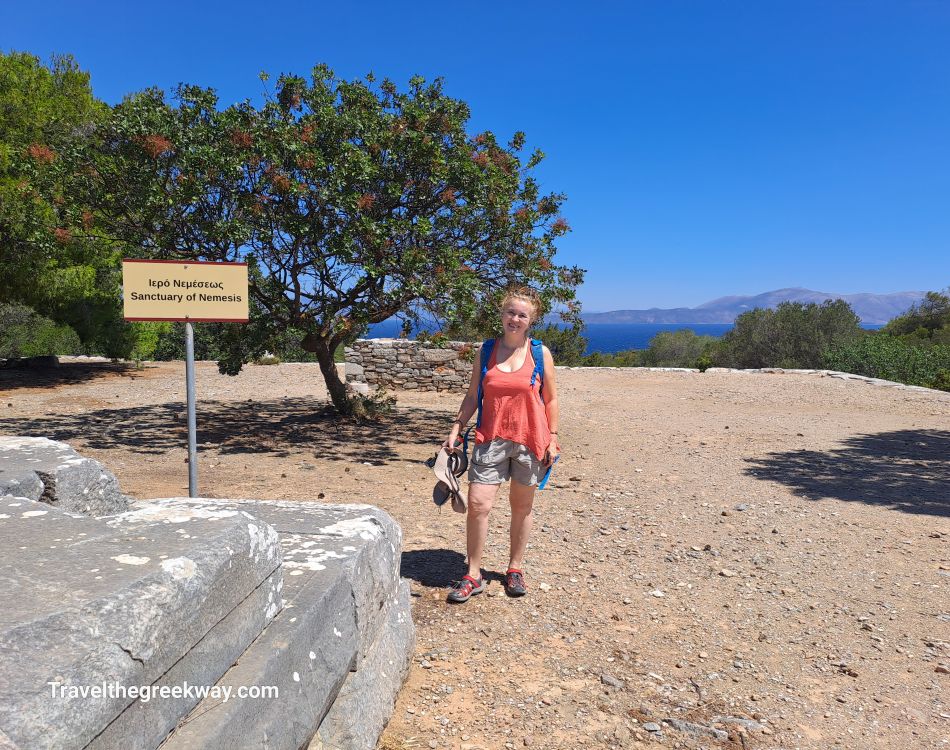
The Archaeological Site of Ramnous is one of the best-kept secrets in Attica. It’s actually one of the most well-preserved ancient towns (demos) and gives you a real feel for life in classical Greece.
Sitting on a hill with amazing views of the Euboean Gulf, the site is packed with ruins—fortified walls, temples, old houses—and was once both a military stronghold and a religious center.
The highlight? The Sanctuary of Nemesis, the goddess of retribution.
After exploring the ruins, you don’t have to go far to enjoy another local treasure—wine.
Marathon and the surrounding countryside are dotted with wineries that specialize in Savvatiano, a grape variety that’s been part of Athenian life for centuries.
It thrives in Attica’s hot, dry climate and produces wines that are crisp, refreshing, and perfect for summer evenings, often with light floral and citrus notes.
A great guided tour to three exceptional wineries is the Athens Wine Tour with Wine Expert.
Where to stay near Marathon
As Marathon Town is super quiet, why don’t you head to Nea Makri and book a hotel with a sea view, such as Tiki Beach Studios (budget, family-friendly).
Check here for more Athens hotels near the International Airport.
How to Get to Marathon

Marathon is about 42 km from the center of Athens. You can get there by KTEL bus in about 1′.35 minutes.
However, the best and easiest option is to rent a car or take a guided tour with the expertise of local guides.
When is the Best time to go to Marathon?
Marathon is a year-round destination. If you would like to combine it with a dive into the nearby sea, then you should visit between May and October.
Quick picks for your Marathon trip
- Stay at Villa Constangie – with a swimming pool, garden, and beautiful rooms.
- Best Guided Tour of Marathon & Thermopylae Battlefields – explore history and culture with a local guide.
- Rent a Car – easy booking to explore Marathon at your own pace.
- Watch Marathon Travel Video – get a feel for the beaches, sites, and vibe.
Quiz for Marathon Greece: How Many Can You Find?
- What historic event is the town of Marathon best known for?
- A. The Battle of Marathon
- B. The first Olympic Games
- C. The founding of Athens
- D. The construction of the Parthenon
- What is the name of the ancient burial mound in Marathon?
- A. The Acropolis
- B. The Pnyx
- C. The Tymbos
- D. The Kerameikos
- What natural feature adds to the charm of Marathon for visitors?
- A. Mountain ranges
- B. Large forests
- C. Beautiful beaches and coastline
- D. Vast deserts
- Which nearby town is known for its relaxing sea views and cozy accommodations?
- A. Nea Makri
- B. Delphi
- C. Corinth
- D. Mycenae
- What significant archaeological site can be found in Marathon?
- A. The Temple of Apollo
- B. The Fortress of Rhamnous
- C. The Theatre of Dionysus
- D. The Temple of Zeus
Answers
- A. The Battle of Marathon
- C. The Tymbos
- C. Beautiful beaches and coastline
- A. Nea Makri
- B. The Fortress of Rhamnous
Final Thoughts
Is Marathon, Greece, worth visiting? Absolutely—easy day trip from Athens, rich history (Battle of Marathon), beaches like Schinias, lake & dam, and nearby Rhamnous.
Join my FB Group & Subscribe to My YouTube Channel!
For more Greece travel tips and ideas for your next trip, join my free Facebook Group or follow me on YouTube for more videos from around Greece.
Happy and safe travels,
Evgenia

Great article and information!
Thank You!!
Blessings!!!
Thank you Lance, glad you found it useful!