Planning to drive in Greece during your vacation?
Renting a car is one of the best ways to explore the country, especially if you want to visit small villages, archaeological sites, beaches, and places that are difficult to reach by public transportation.
I’m Greek, and I’ve been driving in Greece since 1986, so I’ve experienced everything from Athens’ busy streets to quiet mountain roads and narrow island lanes.
In this guide, I’ll explain the driving rules in Greece, what to expect on different roads, how parking works, and what you should know before renting a car.
This post includes links that may be affiliate links. If you choose to make a purchase through them, I may earn a small commission at no extra cost to you. Please see my disclaimer/privacy policy for more information.

Driving in Greece: Quick Facts
- Driving side: Right
- Steering wheel: Left
- Speed limits: Generally 30 km/h on most urban streets, 90 km/h on ordinary rural roads, and up to 130 km/h on motorways, subject to signs and exceptions.
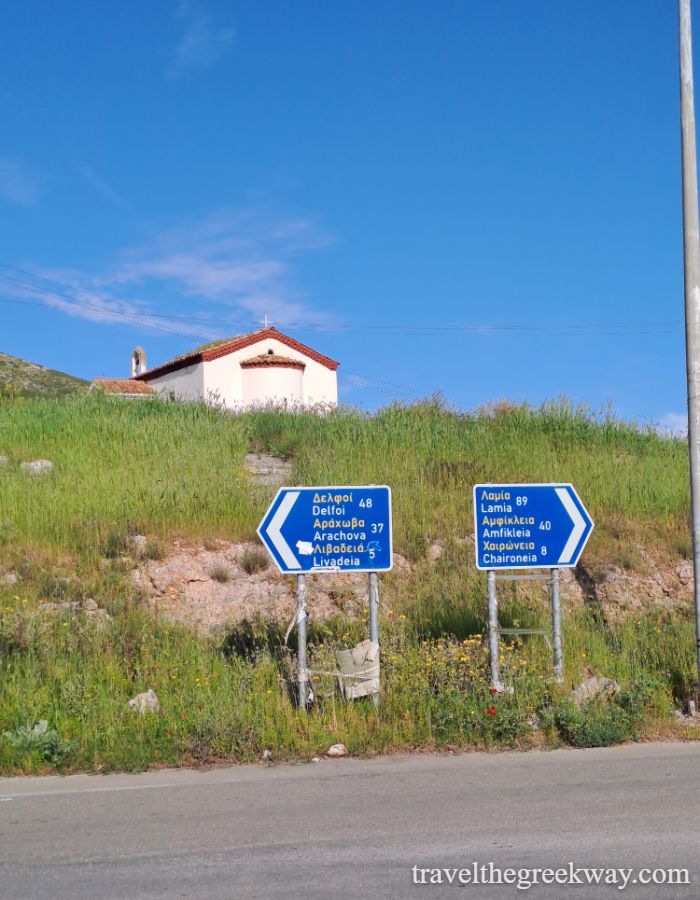
- Road signs: Mostly in Greek and Latin characters on major roads.
- Toll roads: Yes, on many major motorways.
- Rental cars: Manual and automatic cars are available.
- Best advice: Avoid renting a car for sightseeing in central Athens. Pick one up when you’re ready to explore outside the city.
Is Driving in Greece Difficult for Tourists?

Driving in Greece isn’t necessarily difficult, especially if you’re already a confident driver. The main challenge is adjusting to different road conditions and the behavior of other drivers.
Modern highways are generally easy to navigate. They connect Athens with much of mainland Greece and the Peloponnese, making longer journeys fairly comfortable.
Outside the main highways, road conditions vary quite a bit depending on where you’re traveling.
My advice: If you’re nervous about driving in Greece, begin with a straightforward highway journey rather than navigating central Athens or unfamiliar mountain roads.
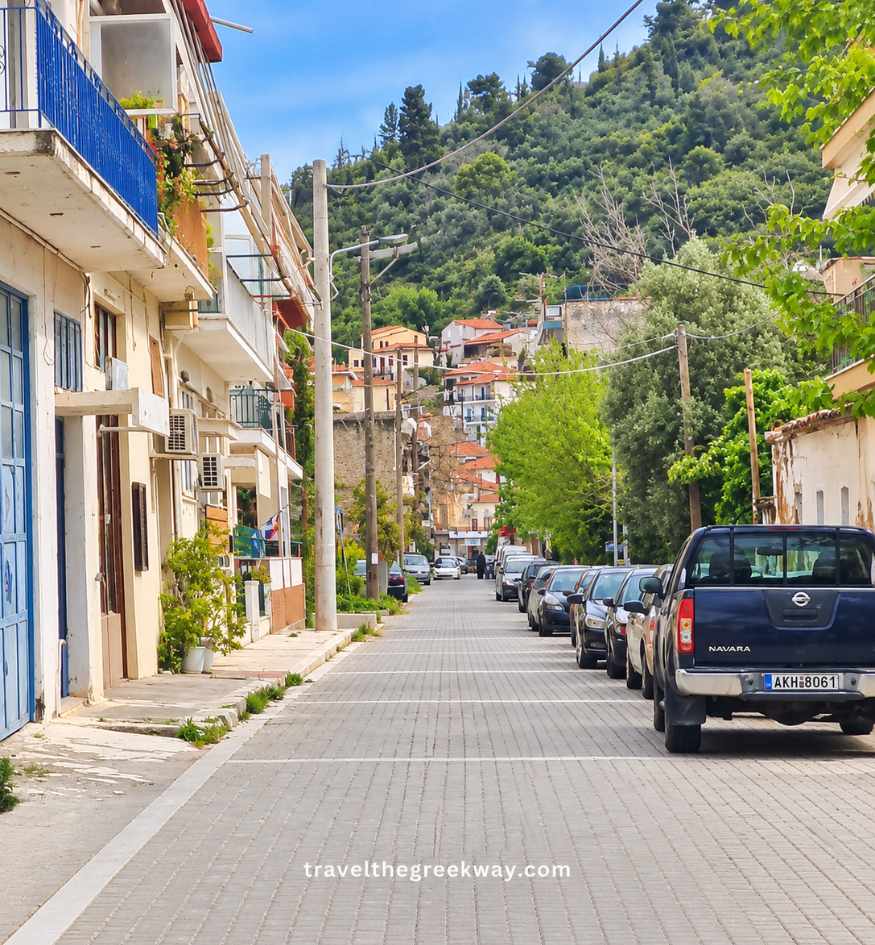
Narrow road through a Greek town
Driving Requirements in Greece for Foreign Visitors
Before renting a car in Greece, make sure you have the correct documents and meet your rental company’s requirements.
Do You Need an International Driving Permit in Greece?
If your driver’s license was issued in an EU country, Iceland, Liechtenstein, or Norway, you don’t need an International Driving Permit (IDP) to drive in Greece.
Visitors from the United States, Canada, Australia, the United Kingdom, and Gibraltar can also generally drive in Greece with their valid national driver’s licenses without an IDP, provided their licenses meet the applicable recognition requirements.
If your license was issued in another country or isn’t written in Latin characters, check whether you need an International Driving Permit or an official translation before traveling.

Narrow street on Poros Island
What Documents Do You Need to Rent a Car in Greece?
When collecting your rental car, you’ll generally need:
- A valid driver’s license: Most rental companies require you to have held your license for at least one year.
- A passport or national ID: EU citizens can generally use their national identity card.
- A payment card in the main driver’s name: Many rental companies require a physical Visa or Mastercard for the security deposit. Some accept debit cards, while others require a credit card and won’t accept digital cards on your phone.
- Your original driver’s license: Bring it even if you also have an International Driving Permit.
Check the accepted payment methods before booking, especially if you plan to use a debit card.
Minimum Age for Renting a Car in Greece
Most rental companies in Greece require drivers to be at least 21 years old, although some set the minimum age at 23 or 25, depending on the vehicle category.
Drivers under 25 may have to pay an additional young-driver fee.
Some companies also have maximum age restrictions or additional requirements for older drivers.
Before booking, check the rental company’s age limits, additional fees, and how long you must have held your driver’s license.
Essential Driving Rules in Greece
Greece drives on the right-hand side of the road, just like the United States and most of continental Europe.
The steering wheel is on the left, and overtaking is normally done on the left.
Here are the main rules tourists should know.

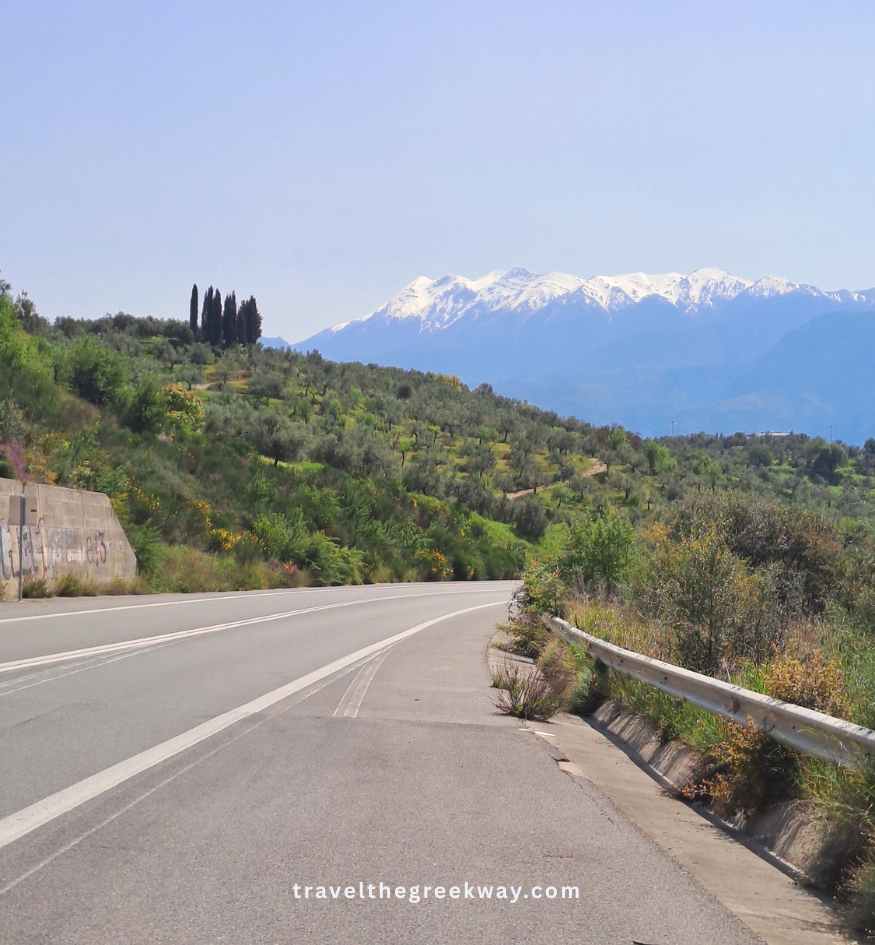
Driving through the Greek countryside
Speed Limits in Greece
Greece introduced a new Road Traffic Code in 2025, including changes to urban speed limits that took effect in January 2026.
For ordinary passenger cars, the general speed limits are:
| Road Type | General Speed Limit |
|---|---|
| Most urban streets | 30 km/h (19 mph) |
| Certain wider urban roads | 50 km/h (31 mph) |
| Ordinary roads outside towns | 90 km/h (56 mph) |
| Expressways | 110 km/h (68 mph) |
| Motorways | 130 km/h (81 mph) |
These are general limits. Always follow the posted signs, which may set lower or different limits for a particular road.
Don’t assume that a road has a 50 km/h limit simply because you’re driving through a town. The new general urban limit is 30 km/h, with specific exceptions.
Seat Belts and Child Seats
Seat belts are mandatory for drivers and passengers.
Children must use an appropriate child restraint according to their size and the applicable legal requirements.
If you’re renting a car with children, arrange the correct seats in advance rather than assuming they’ll be available when you arrive.
Mobile Phones
Don’t use a handheld phone while driving. Set up your GPS before leaving and use a hands-free system if you need to make a call.
Alcohol and Driving
Greece has drink-driving limits, and police conduct alcohol checks.
The general blood alcohol concentration limit is 0.05%, with stricter limits for certain driver categories, including newer drivers.
The safest choice is not to drink alcohol if you’re going to drive.

Roundabouts and Right of Way
Don’t assume every roundabout works exactly like those in the United States or other European countries.
Pay attention to priority and yield signs at each entrance. Where signs control the junction, follow them rather than assuming that vehicles already circulating always have priority.
Also watch carefully for pedestrians, motorcycles, and vehicles emerging from narrow side streets.
Keeping Right on Highways
On Greek motorways, keep to the right when you’re not overtaking.
The left lane is for overtaking, not for remaining there throughout your journey.
You may notice faster drivers approaching from behind. Don’t feel pressured to exceed the speed limit. Complete any overtaking maneuver safely and return to the right lane when possible.

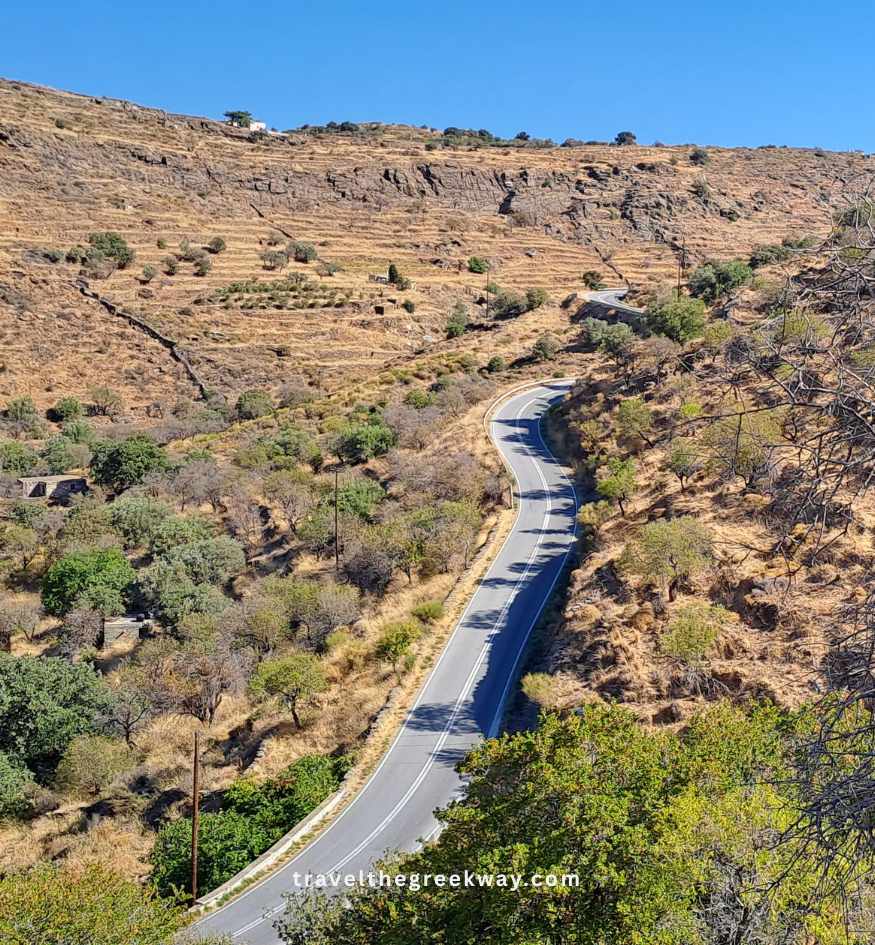
Winding road in Pelion
Greek Roads: Highways, Mountain Roads, and Islands
One of the biggest differences between driving routes in Greece is the type of road you’ll encounter.
Driving on Greek Highways
Greece has an extensive network of modern motorways, particularly around Athens and across much of the mainland.
Major routes include the Olympia Odos toward Corinth and Patras, the Moreas motorway through the Peloponnese, the A1 toward Thessaloniki, and the Egnatia Odos across northern Greece.
Many sections have multiple lanes, tunnels, clear signs, service areas, and toll stations.
For example, much of the journey from Athens toward Corinth and Nafplio follows modern highways.

Driving on Two-Lane Country Roads
Once you leave the motorway, you’ll often find ordinary two-lane roads, with one lane in each direction.
These roads connect villages, archaeological sites, beaches, and smaller towns.
Some are wide and well-maintained, while others have narrow shoulders, faded markings, or limited visibility around bends.
You may occasionally see slower vehicles moving partly onto the shoulder to let others pass.
Don’t treat the shoulder as an extra driving lane. It may contain pedestrians, cyclists, scooters, parked vehicles, or unexpected obstacles.
If someone wants to overtake, maintain a predictable speed and position. Don’t make sudden movements to accommodate an impatient driver.
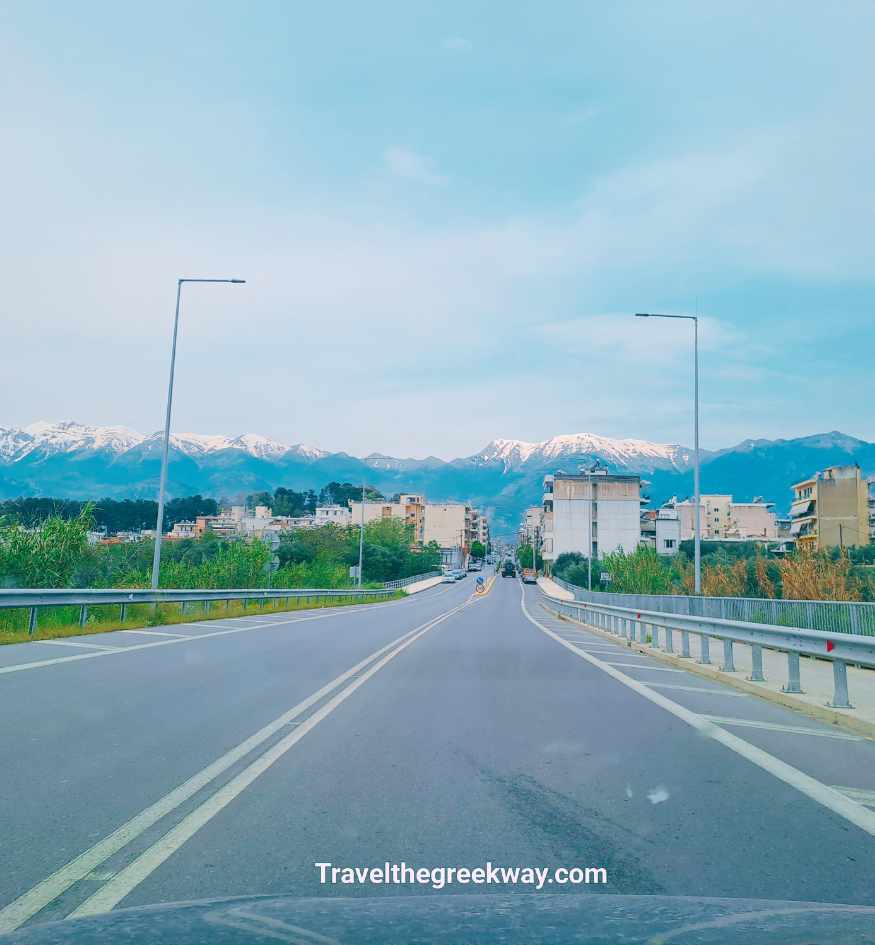
Driving on Mountain Roads
Mountain driving is part of exploring places such as Zagori, Pelion, Peloponnese, and central Greece.
Expect winding roads, steep climbs, sharp bends, and occasional sections without guardrails.
Some roads are wide and in good condition, while others require slow, careful driving.
Avoid cutting corners, especially on blind bends. You may encounter an approaching car, motorcycle, or even livestock.
I also recommend avoiding unfamiliar mountain routes after dark when possible. Visibility is limited, and navigation mistakes are harder to correct.
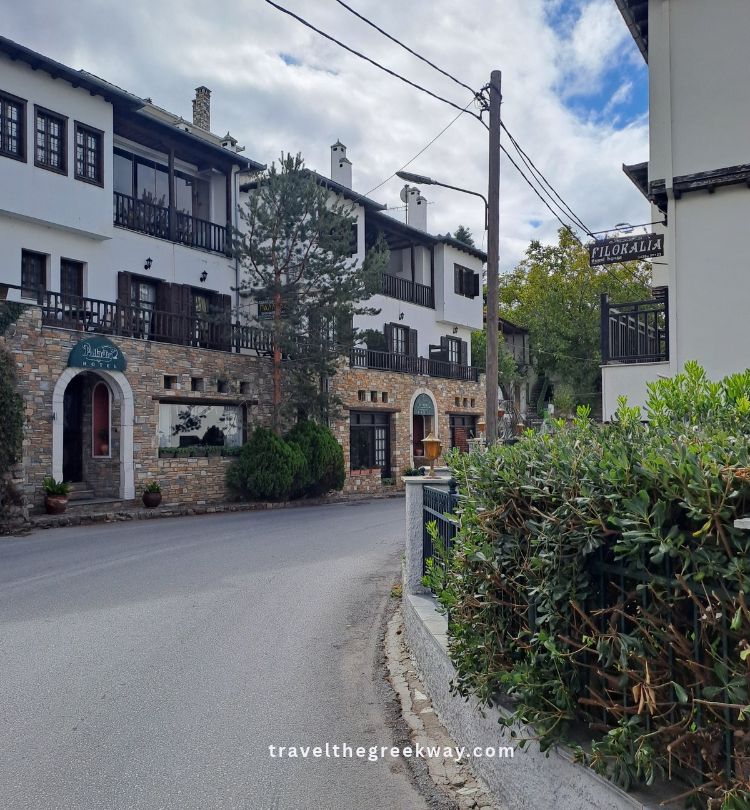
Driving on the Greek Islands
Island driving can be quite different from driving on the mainland.
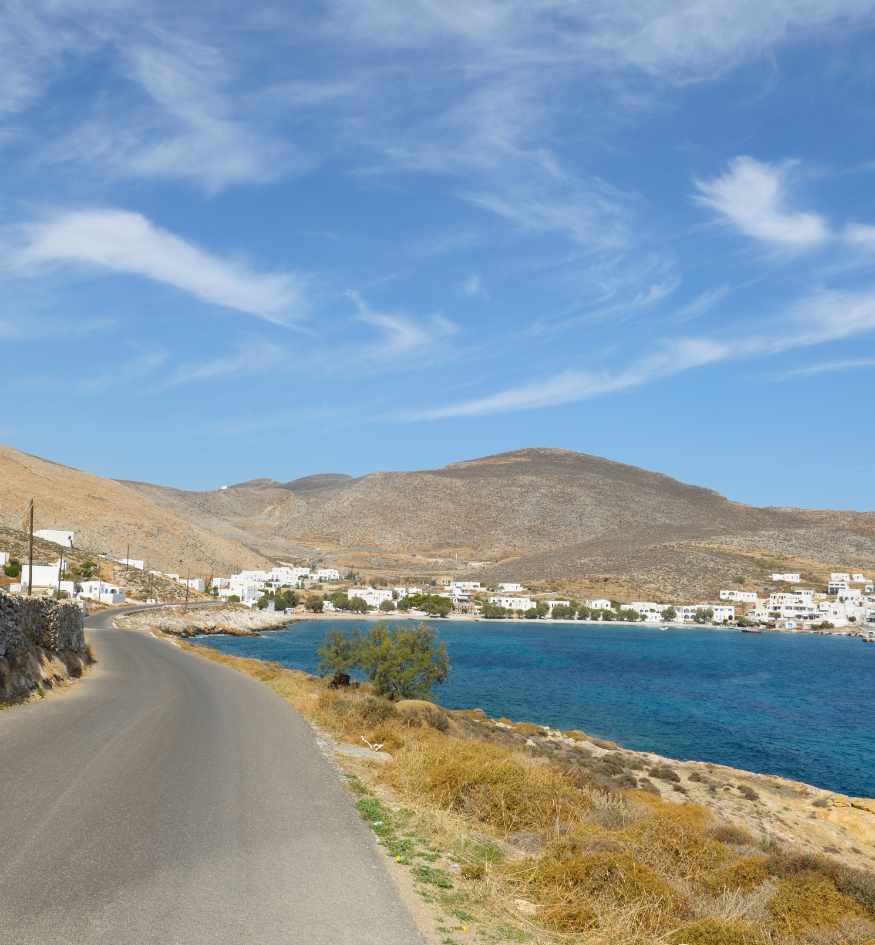
Some islands have good main roads, but smaller routes can be steep, with barely enough room for two cars to pass.
During summer, you’ll also encounter rental cars, scooters, motorcycles, and ATVs.
Parking can be difficult near popular beaches and villages, particularly in July and August.
If you’re visiting an island with many narrow roads, consider renting a smaller car. It’s often easier to maneuver and park.

Driving in Athens: Should You Rent a Car?
If you’re spending your vacation mainly in central Athens, I wouldn’t recommend renting a car.
The city has an extensive public transportation network, including the metro, buses, trams, and suburban railway.
Many major attractions are also within walking distance of one another.
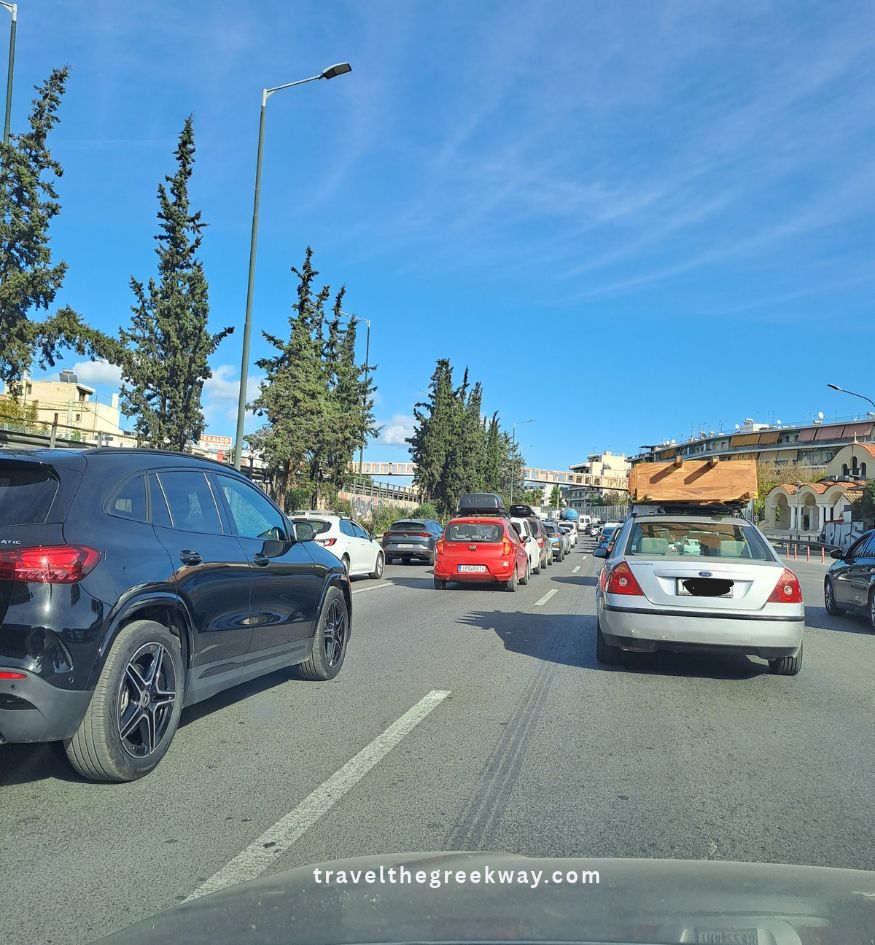
Driving in Athens means dealing with congestion, complicated intersections, and limited parking.
If you’re staying in Athens for a few days before starting a road trip, consider renting your car on the day you leave the city.
For example, you could explore Athens without a car and then pick one up before driving to Nafplio, Delphi, or the Peloponnese.
This also saves you from paying for rental days when your car would mostly remain parked.

Parking in Greece
Parking is one of the things visitors should research before arriving at their destination.
Parking in Cities
In larger cities, you’ll find a mixture of street parking, controlled parking zones, and private parking garages.
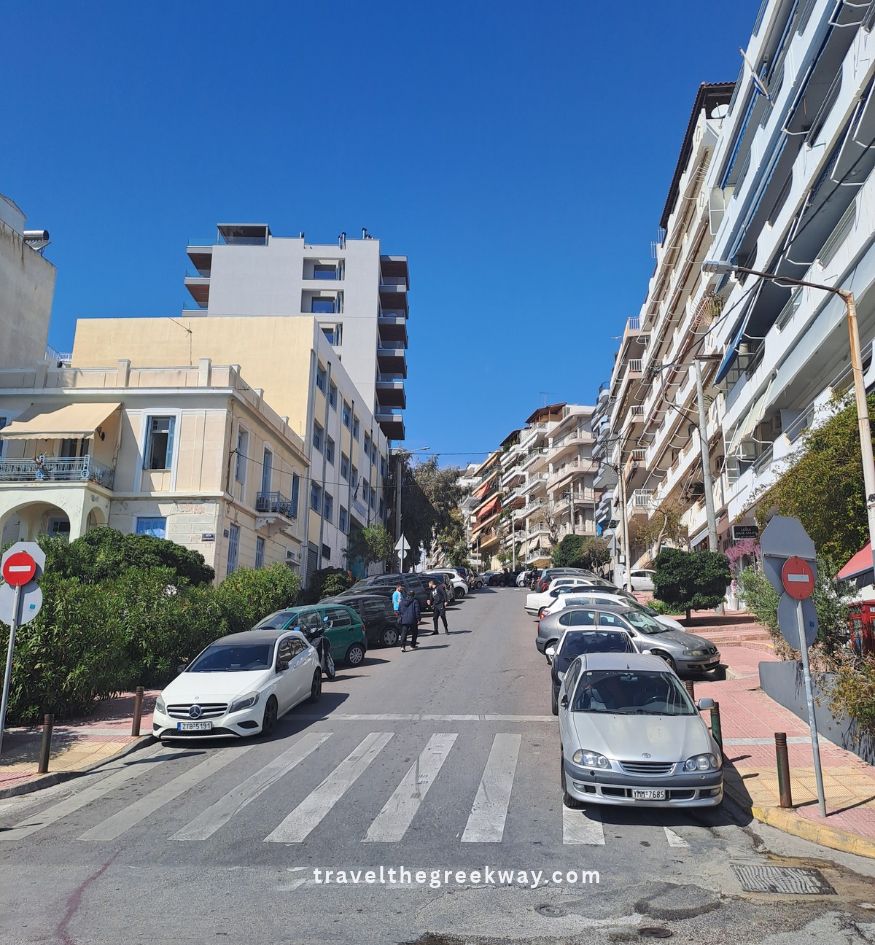
In central Athens, finding a parking space can be particularly difficult around Syntagma Square, Kolonaki, and the streets near Plaka.
Some areas have resident-only parking spaces or time restrictions.
Pay attention to signs, road markings, and any local payment instructions.
Don’t assume a space is legal simply because other cars are parked there.
Avoid blocking sidewalks, pedestrian crossings, ramps, entrances, or narrow streets.

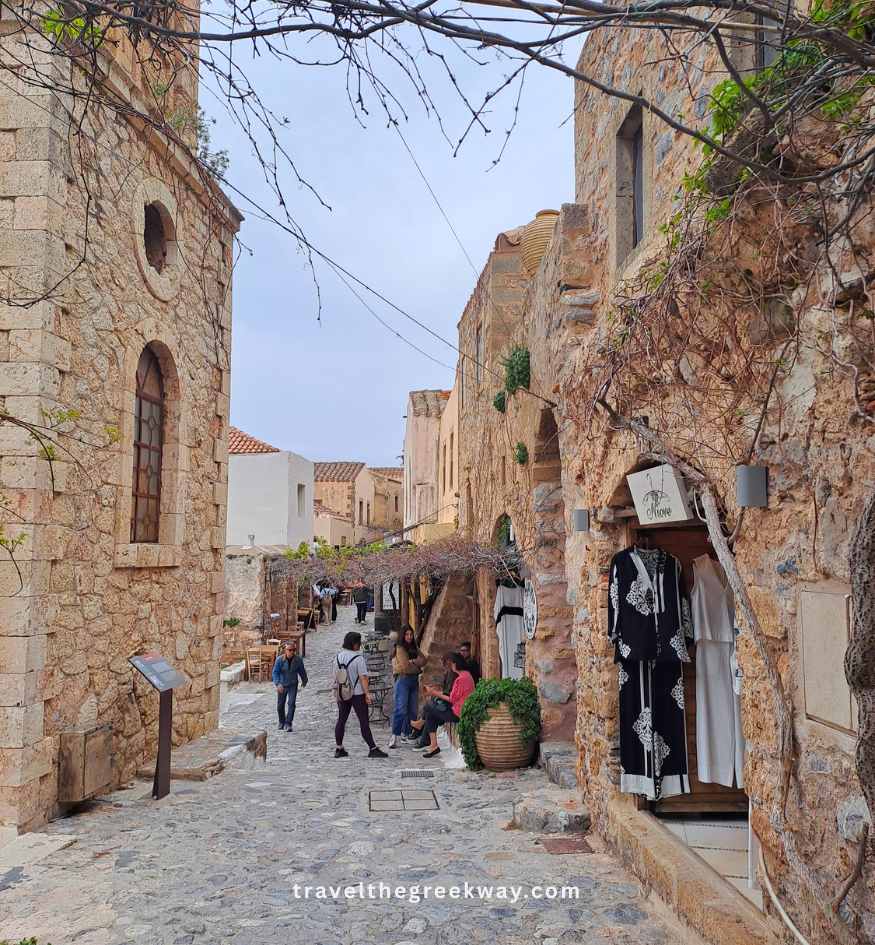
Parking in Historic Towns
Historic centers such as Nafplio, Monemvasia, and parts of Chania have pedestrian streets or restricted vehicle access.
You may need to park outside the historic center and walk to your hotel.
Before booking accommodation, check whether the property offers parking and whether you can drive to its entrance to unload your luggage.
Parking Near Beaches
Parking near popular Greek beaches can be difficult during the summer.
Arriving earlier in the day often makes finding a legal space easier.
Avoid blocking access roads, especially those used by emergency vehicles.
Renting a Car in Greece: What to Check Before Booking
Renting a car gives you much more flexibility, especially if you plan to explore mainland Greece or visit places that have limited public transportation.
However, the cheapest advertised rental price isn’t always the best deal.
Choose the Right Car
A small car is usually sufficient for couples and travelers visiting towns, villages, and beaches.
It’s also easier to park on narrow streets.
If you’re traveling with several people or large suitcases, check the luggage capacity carefully.
Manual or Automatic Transmission?
Manual cars are common in Greece, although automatic rentals are widely available.
If you’re accustomed to driving an automatic, reserve one in advance.
Don’t assume you can switch to an automatic at the rental desk without an additional charge.
Understand the Insurance
Before paying, find out what insurance is included.
Check the deductible (the amount you may have to pay if the car is damaged), exclusions, and any deposit required.
Pay particular attention to coverage for tires, glass, the underside of the vehicle, and driving on unpaved roads.
You should also check what happens if you need roadside assistance.
Check the Fuel Policy
A full-to-full fuel policy is generally straightforward: you collect the car with a full tank and return it full.
Other policies may involve prepaid fuel or additional charges.
Read the terms before booking.
Inspect the Car Before Leaving
Before driving away, carefully inspect the car for existing scratches, dents, and other damage.
Take clear photos or a short video of the entire vehicle, including the wheels and windshield. Make sure any damage is recorded in the rental agreement so you’re not held responsible when returning the car.
Compare Rental Car Prices
You can compare available vehicles and rental conditions through Discover Cars.
Before booking, check the total price, insurance terms, deposit, mileage allowance, and cancellation conditions.
If you’re planning to take a rental car on a ferry, ask whether the company permits it and whether your insurance remains valid.
Driving an Electric Car in Greece
Electric cars are becoming more common in Greece, and the charging network has expanded considerably in recent years. You can now find public charging stations in cities, larger towns, shopping centers, hotels, and along major highways.
However, if you’re planning to rent an electric car for a Greek road trip, it’s worth checking the charging options before making your reservation.
Where Can You Charge an Electric Car in Greece?
Major highways have charging stations at selected rest stops. For example, Olympia Odos, which connects Athens with Corinth and Patras, has fast chargers at several service areas, including Megara, Velo, and Aigio.
You’ll also find charging facilities along other major routes, including Ionia Odos in western Greece.
In smaller towns, mountain villages, and on some islands, charging options may be more limited. Don’t assume you’ll find a working charger whenever you need one.
You can locate charging stations using the official Greek government charging map. It’s also worth checking the charging operator’s app for availability and payment instructions.
What to Check Before Renting an Electric Car
Before booking, find out the vehicle’s realistic driving range, what charging cables are included, and whether the rental company provides instructions for using public chargers.
If you’re staying several nights, find out whether your hotel offers EV charging. Some hotels offer EV charging, but you may need to reserve a space or pay an additional fee.
Ask how much battery charge the car must have when you return it. You may be required to return the car with a specified charge level.
Is an Electric Car a Good Choice for a Greek Road Trip?
For trips between major cities and destinations connected by motorways, an electric car can be a practical option, provided you plan your charging stops.
For remote mountain villages, smaller islands, or itineraries involving long drives on rural roads, I’d be more cautious. Charging facilities may be farther apart, and steep climbs, air conditioning, and highway speeds can reduce your driving range.
My advice: If you’re unfamiliar with electric cars and plan to explore remote parts of Greece, a gasoline-powered or conventional hybrid rental may be more convenient.
If you’re comfortable planning charging stops, an electric car can work well for many mainland routes.
Common Driving Habits You’ll Notice in Greece
After years of driving in Greece, I’ve noticed a few habits that might surprise visitors, especially if it’s their first time behind the wheel here.
Motorcycles Between Lanes
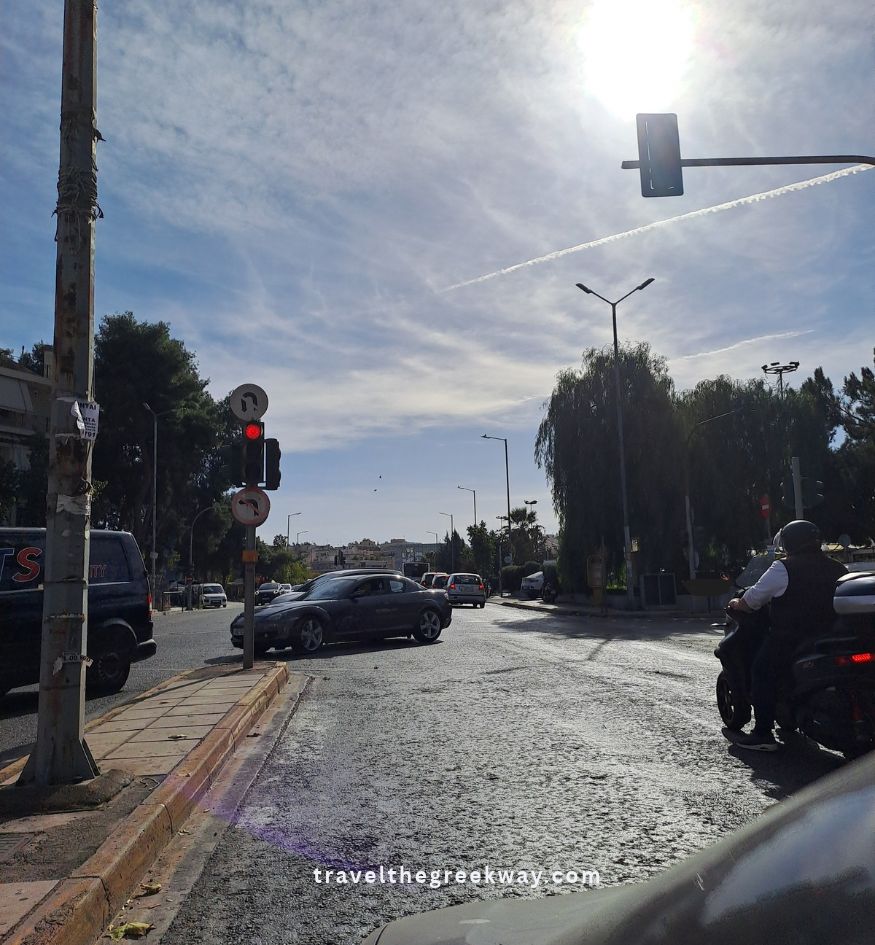
In Athens and other busy cities, motorcycles and scooters frequently move between lines of traffic.
Check your mirrors and blind spots before changing lanes or opening a car door.
Faster Drivers on Country Roads
On some rural roads, drivers may approach quickly from behind or attempt to overtake.
Don’t respond by speeding up.
Stay calm, maintain a safe position, and let them pass when there’s a safe and legal opportunity.
Unexpected Stops
In villages and smaller towns, vehicles may stop briefly near shops or cafés.
You may also encounter delivery vehicles, pedestrians, or cars maneuvering into tight parking spaces.
Leave enough distance from the vehicle ahead so you can react safely.
Scooters and Slow Vehicles
On secondary roads, watch for scooters, tractors, bicycles, and other slower vehicles.
Some may travel near the edge of the road, particularly around villages.
Give them adequate space when passing.
My Practical Tips for a Road Trip in Greece
Here are a few practical tips I’ve picked up from driving around Greece over the years.
1. Don’t Rely Entirely on GPS
Google Maps and Waze are useful, but they aren’t perfect.
Occasionally, a navigation app may direct you through narrow village streets, steep lanes, or roads that aren’t suitable for your vehicle.
This is especially important on the islands, where some dirt roads aren’t suitable for regular rental cars.
For remote destinations, check the route beforehand and ask your accommodation host about the best approach road.
I also recommend downloading offline maps in case you lose mobile coverage.
2. Allow Extra Time for Mountain Roads

Don’t underestimate driving times in the mountains. A journey that looks short on Google Maps can take much longer than expected, so leave some extra time in your schedule.
3. Plan Around Archaeological Site Opening Hours
This is particularly important if you’re visiting Greece outside the summer season.
Archaeological sites often have shorter opening hours during the winter months.
If you’re driving several hours to Delphi, Olympia, or Mycenae, check the official opening times before leaving.
Sometimes it makes more sense to drive to your destination in the afternoon, stay overnight, and visit the archaeological site the following morning.
That way, you won’t arrive just before closing time.
4. Gas Stations, Coffee Stops, and Food
Finding gas stations isn’t usually a problem on Greece’s major highways. You’ll also find rest stops with coffee, food, snacks, and restrooms.
On smaller roads, gas stations are often located in or near villages. Some have limited opening hours, so fill up before heading into remote mountain areas or exploring smaller islands.
And don’t worry about finding something to eat! Stopping for coffee, a snack, or a proper meal is part of traveling around Greece. You’ll find cafés, bakeries, and tavernas in towns and villages along the way.
I always recommend carrying drinking water in the car, especially during summer.
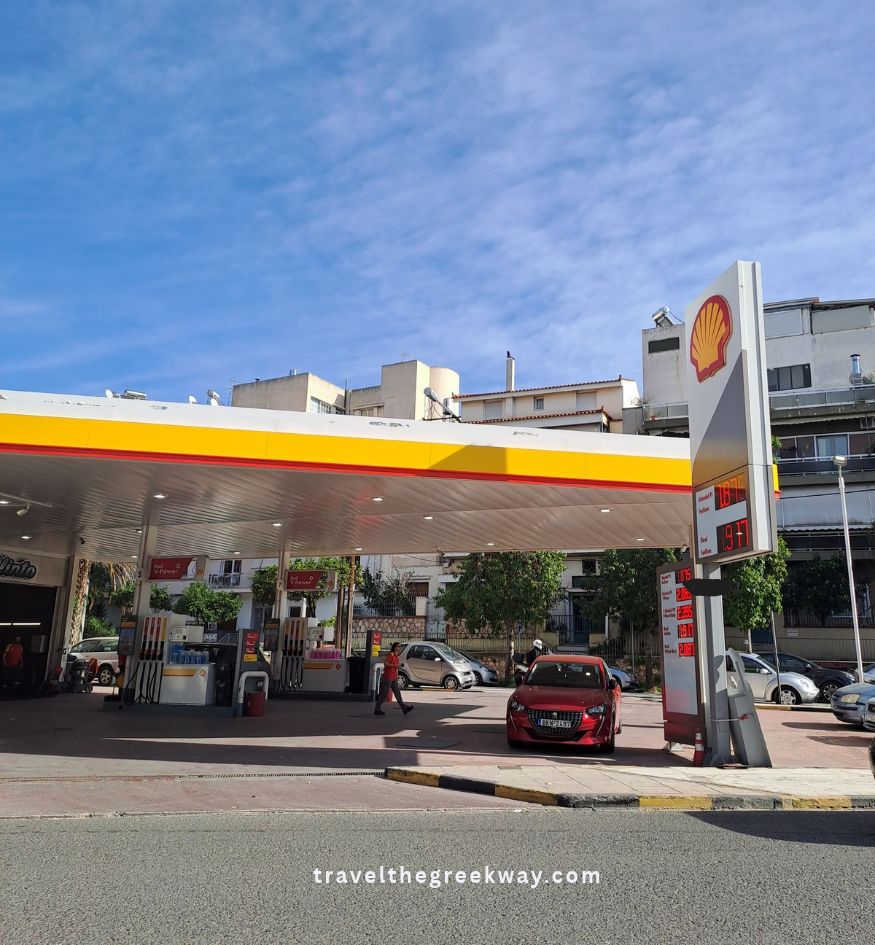
Fuel tip: Gasoline is usually labeled 95, 98, or 100, depending on the octane rating. Diesel is labeled separately. Make sure you know which fuel your rental car needs.
5. Expect Toll Roads

Many Greek motorways have toll stations.
You may encounter several tolls during a single journey, especially on longer drives.
Most stations accept cards and cash, but it’s useful to carry some euros.
Follow the signs for the appropriate payment lane and avoid entering electronic-only lanes unless you have a compatible toll device.
According to the 2026 toll rates, here’s what you’ll pay for a regular passenger car traveling on the main motorways.
| Route | One way | Round trip | Toll stations |
|---|---|---|---|
| Athens → Thessaloniki | €36.70 | €73.40 | 11 |
| Athens → Nafplio | €7.55 | €15.10 | 3 |
These prices exclude fuel and any additional tolls from Attiki Odos.
6. Avoid Driving When You’re Tired
Long flights, summer heat, and unfamiliar roads aren’t a good combination.
If you’ve just arrived in Greece after an overnight international flight, consider whether you really want to collect a rental car and immediately begin a long journey.
An overnight stay near your arrival airport or in the city may be a better option.
7. Check for Roadworks and Seasonal Conditions
Road construction can affect travel times, even on major routes.
In winter, mountain roads may also be affected by snow, ice, or heavy rain.
Look up the latest road and weather conditions before heading into the mountains.
What to Do in an Emergency While Driving in Greece
If you’re involved in an accident or experience a breakdown in Greece, the most important number to remember is 112, the European emergency number.
You can call 112 free of charge, 24 hours a day, to request police, ambulance, or fire service assistance. Operators in Greece can also speak English.
If your car breaks down on a motorway, move to a safe location if possible, turn on your hazard lights, and contact the motorway operator. Avoid standing near moving traffic.
Greek Motorway Emergency Numbers
| Motorway | Emergency Number |
|---|---|
| Attiki Odos (Athens) | 1024 |
| Olympia Odos (Athens–Patras) | 1025 |
| Moreas (Peloponnese) | 1025 |
| Nea Odos and Ionia Odos | 1075 |
| Aegean Motorway | 1075 |
| Egnatia Odos (Northern Greece) | 1077 |
| Rio–Antirrio Bridge | +30 26340 39010 |
These numbers are intended for motorway accidents, breakdowns, and other road emergencies. Call charges may apply to some motorway numbers.
If you’re renting a car, save the rental company’s roadside assistance number on your phone before leaving the rental desk.
Safety Equipment Required in Cars in Greece
Cars in Greece must carry certain safety equipment, including:
- A warning triangle
- A fire extinguisher
- A first-aid kit
If you’re renting a car, check that these items are present before driving away. The rental company should provide the required equipment.
If you’re bringing your own vehicle from another country, check whether your headlights need adjustment for driving on the right side of the road.
Motorcycle and moped riders must wear approved helmets.
FAQs About Driving in Greece
Is Driving in Greece Safe for Tourists?
Driving in Greece is generally manageable for experienced drivers, but road conditions vary. Pay particular attention to narrow country roads, mountain routes, and busy cities.
Is It Difficult for Americans to Drive in Greece?
Americans are already familiar with driving on the right, which makes the adjustment easier. The biggest differences are narrow roads, motorcycles moving through traffic, parking conditions, and some local driving habits.
Are Greek Road Signs in English?
Major destinations are generally signposted using both Greek and Latin characters. In smaller villages and remote areas, you may encounter signs written only in Greek.
Do I Need a Car on the Greek Islands?
It depends on the island and where you’re staying. On some islands, public buses and taxis are sufficient.
On larger islands (eg Rhodes) or those with scattered beaches and villages, a rental car can make exploring much easier.
Final Thoughts on Driving in Greece
One of my favorite things about road trips in Greece is discovering places I hadn’t planned to visit. A small village, a roadside café, or a beautiful view can turn an ordinary drive into a memorable day.
If you’re planning to drive here for the first time, take your time and don’t let impatient drivers rush you. Greece has some wonderful driving routes, and there’s no reason to hurry through them.
If you’re exploring the Peloponnese, check out my guides to Nafplio, Olympia, and Monemvasia for more ideas.
