Most travelers coming to Greece want to see as many islands as possible in one trip. Many choose to fly between major hubs to save time, but planning a multi-island itinerary can still feel like a logistics puzzle.
I’m Greek, and I’ve spent my life navigating these routes. I wrote this Greek island hopping guide to show you how to link your favorite spots efficiently, whether you’re catching a quick flight or a high-speed ferry.
My goal is to help you spend less time in transit and more time enjoying the islands.

This post includes links that may be affiliate links. If you choose to make a purchase through them, I may earn a small commission at no extra cost to you. Please see my disclaimer/privacy policy for more information.

How to Use This Guide
Navigating 7 island clusters and dozens of potential ferry lines can quickly turn into a logistics puzzle. To build your perfect itinerary without the overwhelm, use this three-step blueprint:
- Step 1: Choose Your Cluster: Scroll down to the 7 Island Clusters section to understand how Greece’s islands are geographically grouped. To keep your transit times low and avoid getting stuck on a boat, pick one single cluster for your trip (e.g., The Cyclades or The Ionian).
- Step 2: Pick a Curated Route: Once you’ve chosen your cluster, jump straight to the 7 Island Hopping Routes. I mapped these based on actual vessel schedules, ensuring each stop connects logically without backtracking or long, 8-hour ferry overhauls.
- Step 3: Lock in Your Logistics: Use the Sailing vs. Flying Verdict at the bottom of this page to secure your e-tickets, identify your departure gates, and build a mandatory 24-hour buffer into Athens at the end of your trip.
Native Insight: If you are a first-time visitor with a standard 10-day itinerary, strictly apply my “Rule of Three”: pick a maximum of three islands. Any more, and you will spend your Greek vacation looking at ferry ports rather than the Aegean Sea.
Greek Island Hopping Guide: The 7 Clusters

1. The Cyclades (The Iconic “Blue & White”)
This is where you’ll find the famous spots like Santorini and Mykonos. They are shaped like a circle (kyklos) around the center of the Aegean Sea.
Best for: First-timers and anyone who wants that classic white-washed architecture. They also have the most frequent ferry and flight connections.
- The Global Super-Hubs (High Energy & Glamour): Santorini, Mykonos, Paros, Antiparos, and Ios.
- The Diverse Powerhouses (Beaches, Food & Scale): Naxos, Milos, Syros, and Andros. (These are the large, “all-rounder” islands).
- The Athenian Escapes (Authentic & Sophisticated): Kea (Tzia), Kythnos, Serifos, and Sifnos. (Great destinations to avoid the “cruise ship” crowds).
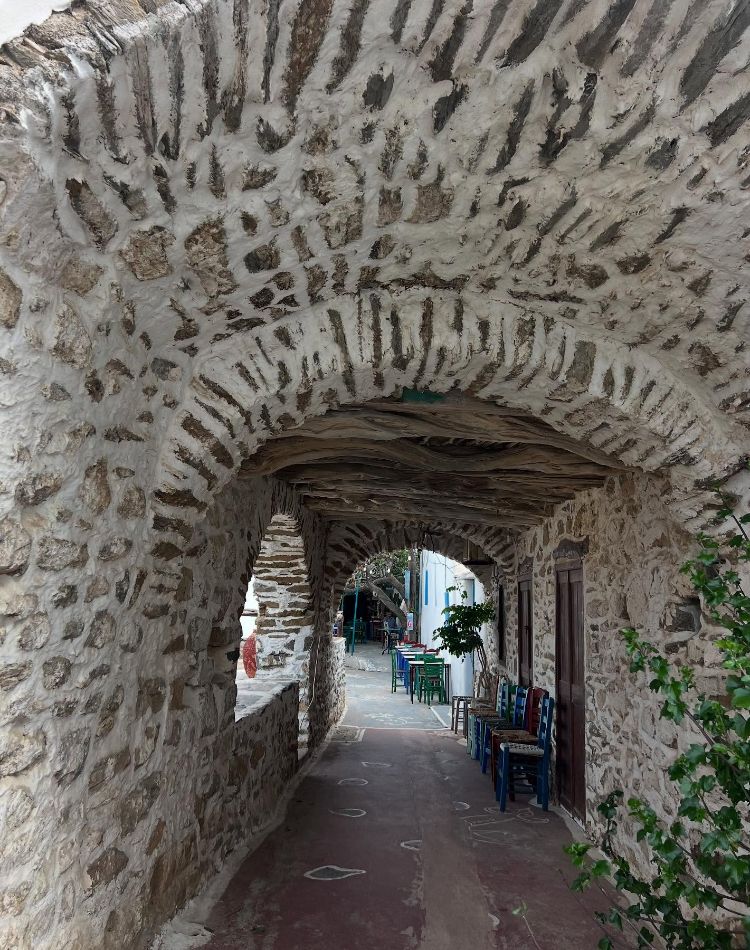
- The Remote “Big Blue” (Hiking & Raw Beauty): Amorgos, Folegandros, Tinos, Anafi, and Sikinos.
- The Small Cyclades (Total Escape): Koufonisia (Ano & Kato), Donousa, Schinoussa, and Iraklia.
Note: Islands like Amorgos and Folegandros are strictly enforcing the new ‘wild beach’ laws—meaning no sunbeds or beach bars on protected shores. Bring your own shade!
Want to see a quieter side of the Cyclades? I recently explored Ioulida, the hilltop capital of Kea, walking its car-free streets and traditional neighborhoods before heading to the ancient Lion of Kea.
You can also read my complete guide to Kea Island to plan your visit.
2. The Ionian Islands (The Lush & Green)
Located on the west side of Greece, these islands look different—they are very green with turquoise water.
- Ideal for: Families and people who want impressive blue seas and a more “Italian” feel to the architecture.
- Top Islands: Corfu, Kefalonia, Zakynthos (Zante), Lefkada, Paxos, Antipaxos, and Ithaca.
- Travel Ease: Easy. Many of these have international airports with direct flights from Europe. You can actually drive to Lefkada from the mainland!
3. The Dodecanese (History & Castles)
Located in the southeast Aegean near Turkey, this chain is defined by its medieval fortresses and Byzantine heritage.
Travel Ease: Moderate. Rhodes is a major international flight hub; smaller islands are served by reliable local vessel lines.
- The Cosmopolitan Giants (Resorts & Infrastructure): Rhodes and Kos.
- The “Slow Greece” Escapes (Tradition & Quiet): Kasos, Halki, Lipsi, Tilos, Kastelorizo & Agathonisi.
- The Spiritual & Neoclassical Jewels: Patmos and Symi.
- The Adventure & Active Hubs: Kalymnos, Karpathos, Leros.
- The Volcanic & “Alternative” Gems: Nisyros and Astypalea: The “Butterfly of the Aegean.”
4. The Saronic Islands (The “Quick Trip”)
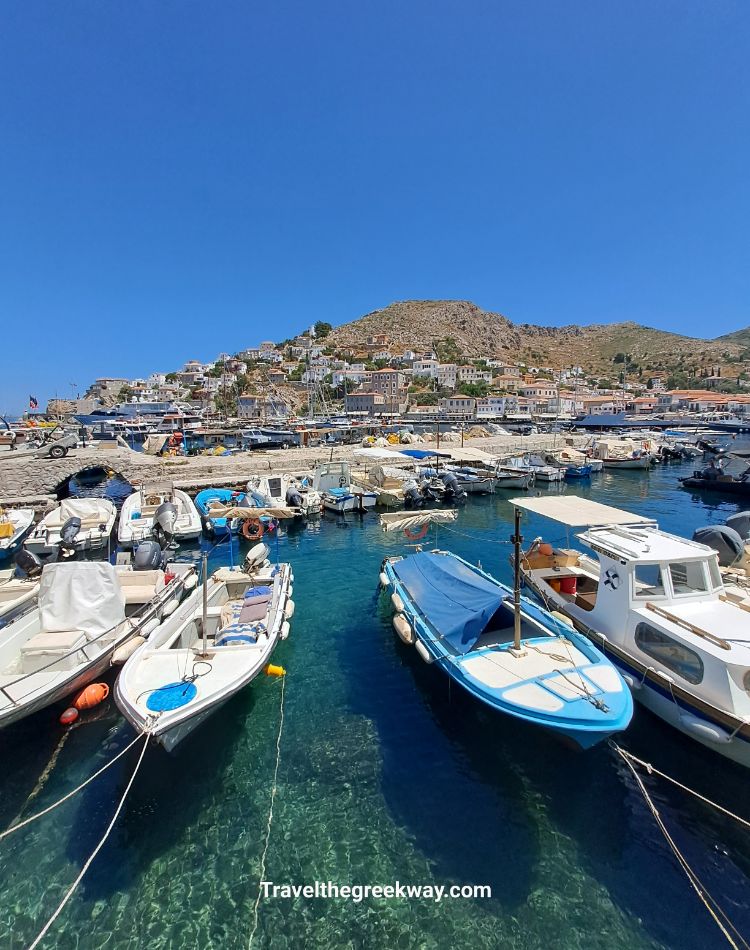
These are the closest islands to Athens.
- Perfect for: People who have very little time or want to do a “day trip” from the capital.
- Top Islands: Hydra (no cars!), Spetses, Poros, Agistri, Salamina, and Aegina.
- Travel Ease: Extremely easy. You can reach them in 1–2 hours by ferry from Piraeus port.
5. The Sporades (The “Mamma Mia” Islands)
These are located off the east coast of the mainland and are famous for being incredibly green with dense pine forests that reach all the way to the water.
- Who it’s for: Nature lovers and fans of the movie Mamma Mia (filmed on Skopelos).
- Top Islands: Skiathos, Skopelos, Alonissos, and Skyros.
- Travel Ease: Easy in summer. Skiathos has an international airport, and there are frequent ferries from the mainland port of Volos.
- The Scale: This group covers about 275.7 sq. km (~106.4 sq. miles) or approximately 2,967,610,000 sq. ft.
6. The North Aegean Islands (The Off-the-Beaten-Path Choice)
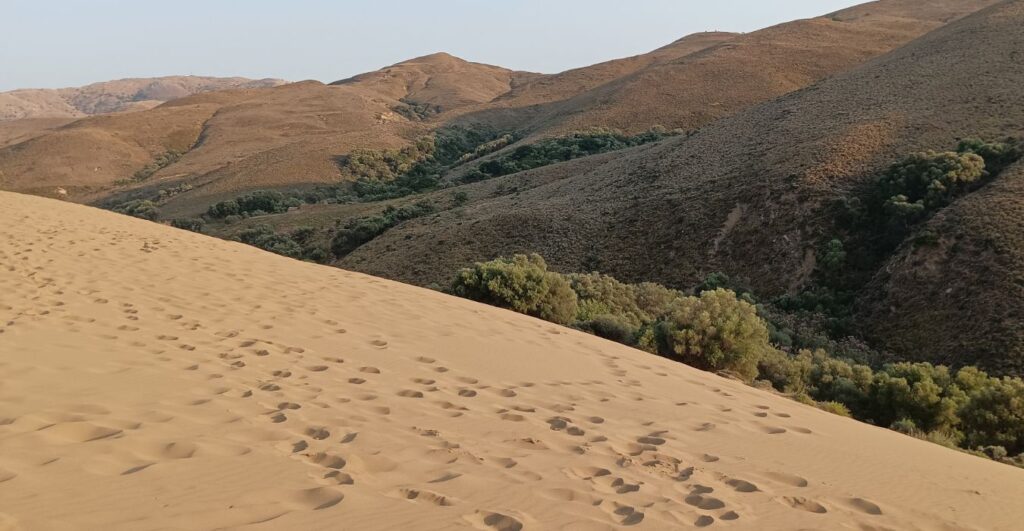
These are scattered in the northeast Aegean, close to Turkey. They are much larger than the Cycladic islands and feel more like mini-continents with their own distinct cultures.
- The vibe: Travelers who want to escape the crowds and experience “Real Greece,” long life (Ikaria), and incredible food.
- The Thracian Sea Neighbors (Northern Gateway): Thasos, Samothrace (Samothraki), Lemnos (Limnos), Agios Efstratios.
- The Eastern Giants (Large, Self-Sufficient Islands): Lesvos (Mytilene), Chios, Samos.
- The “Blue Zone” & The Remote Outposts: Ikaria, Psara, Fournoi, Oinousses.
- Travel Ease: Moderate. Most have airports with daily flights from Athens, though ferry rides from Piraeus are significantly longer than those to the Cyclades.

7. The Big Island Road Trips (Ideal if you love driving)
These massive islands require a car and a minimum of 5–7 days to explore properly.
Evia (Euboea): The “Hidden Mainland Escape.” Located just ~80 km (~50 miles / ~262,467 ft) from Athens, it is perfect for those who want rugged forests, thermal springs (Edipsos), and wild Aegean beaches without relying on ferry schedules.
Top Spots: Chalkida, Edipsos, Eretria, Steni, Agia Anna and Karystos.
Crete: The undisputed king of the south; a world of its own with high mountains and palm-fringed beaches. Crete is so big it’s practically its own country. It’s the largest island in Greece and the fifth largest in the Mediterranean.
Top Spots: Chania, Rethymno, Heraklion, and Elounda.

The Greek Island Winner’s Table
Use this to quickly narrow down your route based on what you actually want to do.
| Category | Top Island Winners | Why They Win |
| Food & Wine | Crete, Naxos, Sifnos, Tinos | These islands grow their own produce and are famous for farm-to-table dining. |
| Beaches | Milos, Naxos, Crete, Mykonos | From the pink sands of Elafonissi to the volcanic moonscapes of Sarakiniko. |
| History | Crete, Rhodes, Delos (near Mykonos) | Medieval castles in Rhodes and the birthplace of the Minoans in Crete. |
| Nightlife | Mykonos, Ios, Paros, Santorini | Mykonos is the party king, while Ios is great for a younger, high-energy crowd. |
| Hiking | Andros, Crete, Folegandros, Naxos | Andros has the best-marked trails, and Crete has the legendary Samaria Gorge. |
Planning Your Island Hopping Route
With Greece’s popularity hitting all-time highs, the key is to select islands within the same cluster or along established ferry lines that operate with reliable, daily frequency.
For a balanced trip, I recommend a “Mix and Match” strategy:
- Size Variation: Pair large islands offering diverse activities (like Crete or Naxos) with smaller islands providing intimate, “slow” experiences (like Antiparos or Amorgos).
- Buffer Time: Always build in a 24-hour buffer in Athens at the end of your trip; while ferry technology is advanced, the Aegean winds can still cause occasional cancellations.
- The “Rule of Three”: For a 10-day trip, stick to a maximum of three islands to ensure you actually see them rather than just their ports.
Below are the most efficient, high-utility routes for the season, designed to minimize transit and maximize your time in the water.
Route 1: The “First-Timer’s Dream” (Cyclades Loop)

- The Route: Athens → Paros → Naxos → Santorini → Athens.
- Ferry Logistics: Use the Blue Star Delos for the Athens to Paros stretch (~161 km / ~100 miles / ~528,215 ft).
- Native Tip: Flying into Santorini and “ferrying back” to Athens via Naxos and Paros is the most efficient way to see the sunsets without wasting a whole day on a boat.
Adding Mykonos to a Cyclades loop changes the logistics slightly because it acts as a major “Super-Hub” with its own international airport. This second route is designed for those who want a mix of high-energy glamour and traditional Cycladic charm.
Related Post: Flying vs. Ferry to the Greek Islands.
Route 2: The “Glamour & Heritage” (Cyclades Central Loop)
The Route: Athens → Mykonos → Naxos → Amorgos → Athens
Why it wins? Great for travelers who want to experience the world-famous nightlife and luxury of Mykonos but want to balance it with the deep tradition and “Big Blue” landscapes of Amorgos.
- Fly In: Start by flying directly into Mykonos (JMK). There are over 10 daily 45-minute flights from Athens.
- The Vibe: A contrast of extremes. You move from the cosmopolitan boutiques of Mykonos to the legendary monastery of Hozoviotissa in Amorgos, which is built into a cliff face ~300 m (~984 ft ) above the sea.
- Ferry Logistics:
- Mykonos to Naxos: A very short ~38 km (~24 miles) hop. High-speed ferries like the SeaJets Worldchampion take only 35–45 minutes.
- Naxos to Amorgos: Use the legendary Express Skopelitis (the “soul of the Cyclades”) or a fast ferry. The distance is roughly ~55 km (~34 miles) and takes ~2–3 hours.
- Fly Out: While Amorgos lacks an airport, you can sail back to Naxos or Mykonos to catch a domestic flight. Flying from Naxos (JXS) to Athens takes just 40 minutes and is the best way to bypass an exhausting, multi-hour sea crossing back to Piraeus.
- Native Tip: In Amorgos, you must hike the “Old Strata” trail—it’s the best-preserved ancient path in the Cyclades.
Route 3: The “Cosmopolitan & Boutique” (North Ionian)

The Route: Corfu → Paxi → Antipaxos → Lefkada. Perfect destination if you love Venetian architecture, boutique shopping, and sophisticated dining paired with world-class turquoise waters.
- Fly In: Start by flying into Corfu (CFU). There are multiple daily 1-hour flights from Athens.
- The Vibe: Elegant and aristocratic. Corfu’s Old Town feels like Italy, while Paxi is an exclusive “hidden gem” for the yachting crowd.
- Ferry Logistics: Corfu to Paxi is a ~53 km (~33 miles) hop. High-speed hydrofoils take 55 minutes.
- The Pivot: To reach Lefkada, take the Lefkada Palace ferry (Mon/Wed/Fri). It takes ~3 hours. Alternatively, you can fly from Corfu back to Athens and catch a connecting flight to Preveza/Aktion (PVK), which is just a ~20 km (~12 miles) drive from Lefkada.
- Native Tip: In Paxi, rent a small motorboat to reach Antipaxos. The water at Voutoumi Beach is so clear that boats appear to be floating in mid-air.
Route 4: The “Grand Landscapes & Myth” (South Ionian)
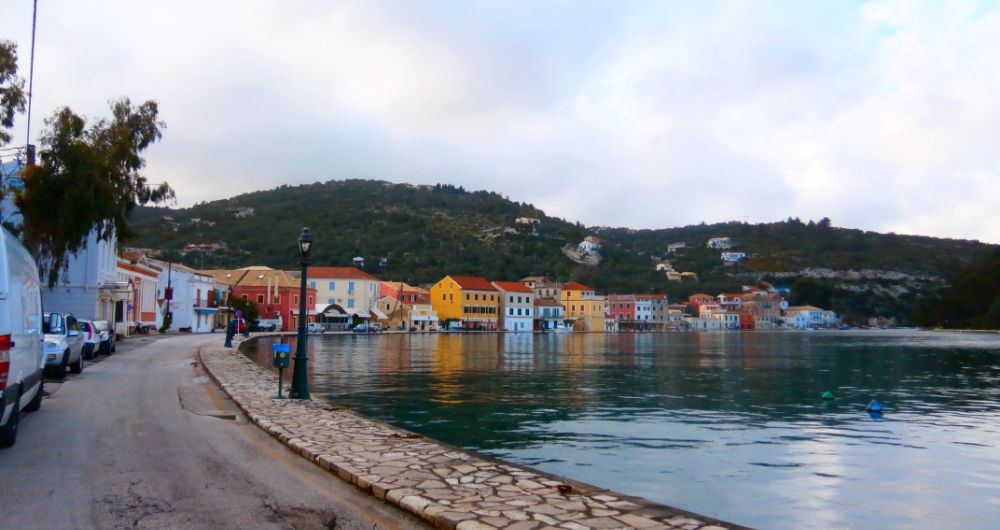
The Route: Kefalonia → Ithaca → Zakynthos.
Why choose this? Ideal for nature lovers, hikers, and fans of dramatic scenery.
- Fly In: Both Kefalonia (EFL) and Zakynthos (ZTH) have international airports. A flight from Athens to Kefalonia takes ~60 minutes.
- The Vibe: Epic and adventurous. Think massive mountains, the legendary home of Odysseus, and the world-famous Shipwreck Cove view.
- Ferry Logistics: The hop from Sami (Kefalonia) to Pisaetos (Ithaca) is one of the best deals in Greece. It’s only ~12 km (~7.5 miles) and takes 20 minutes.
- Connecting the “Big Two”: The ferry from Kefalonia to Zakynthos runs between the ports of Pessada and Agios Nikolaos. It takes ~1.5 hours.
- Flight Alternative: If you prefer not to backtrack, you can fly between Kefalonia and Zakynthos via a quick connection in Athens, though the ferry is much more efficient for this specific pair.
- Native Tip: Stay overnight in Ithaca (Vathy). Most tourists only visit for a few hours, but staying the night allows you to experience the island’s legendary peace after the tour boats leave.
Route 5: The “Fortress & Faith” (Dodecanese Chain)

The Route: Rhodes → Kos → Patmos → Leros → Rhodes
Why choose this? Ideal for history buffs who want a mix of massive medieval castles (Rhodes/Kos) and deep spiritual heritage (Patmos).
- Fly In: Start in Rhodes (RHO). Flights from Athens take ~1 hour.
- The Vibe: Medieval walled cities and knightly history. Rhodes to Kos is a ~122 km (~76 miles) ferry hop.
- Ferry Logistics:
- Rhodes to Kos: Use the Dodekanisos Express; it takes ~2.5 hours.
- Kos to Patmos: A daily route that takes ~2.5–3 hours.
- Fly Out: You can fly directly from Kos (KGS) back to Athens, or catch a short hop from Leros (LRS) to avoid the long sea crossing back south.
- Native Tip: In Patmos, visit the Cave of the Apocalypse. In Leros, the War Museum is built inside a real WWII tunnel—a must-see spot.
Route 6: The “Wild West”
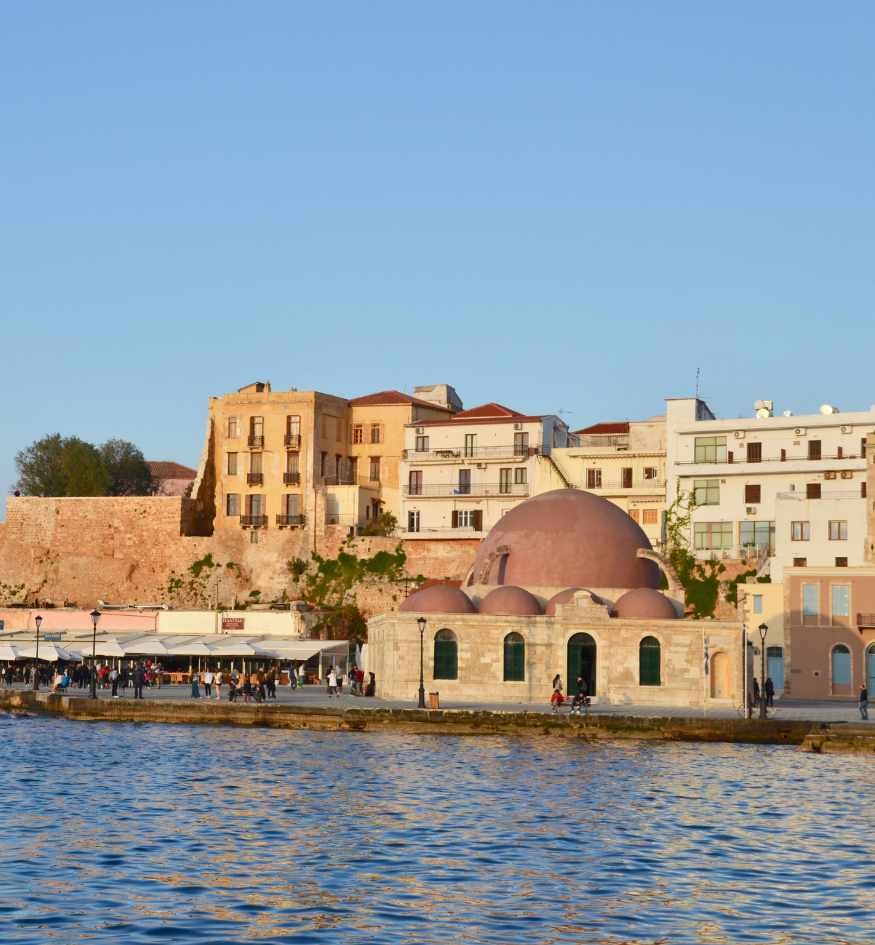
The Western Crete Route: Chania → Balos → Elafonisi → Samaria Gorge → Rethymno.
The highlights: Best for beach lovers and hikers. This route features the “World’s Best” pink and turquoise lagoons.
- Fly In: Fly directly into Chania (CHQ).
- The Vibe: Romantic Venetian harbors and rugged mountains.
- Logistics:
- Chania to Elafonisi: A ~73 km (~45 miles) drive. Arrive by 9:00 AM to beat the tour bus crowds.
- Chania to Rethymno: A smooth ~60 km (~37 miles) drive along the national road.
- The Hike: The Samaria Gorge is ~16 km (~10 miles) long. Note: In May, the trail officially opens; check local weather as spring rains can sometimes delay the opening by a few days.
- Native Tip: Don’t drive to Balos Lagoon; the road is rough, and most rental insurance won’t cover it. Take the ferry from Kissamos port instead.
Route 7: The “Minoan East” (Eastern Crete)

The Route: Heraklion → Knossos → Elounda → Agios Nikolaos → Sitia
Why choose this? Best for luxury seekers and fans of ancient archaeology and “slow” coastal towns.
- Fly In: Fly into Heraklion (HER), the largest airport on the island.
- The Vibe: High-end resorts and deep history. Knossos Palace, just ~5 km (~3 miles) from the city, is the heart of Europe’s oldest civilization.
- Logistics:
- Heraklion to Elounda: A ~70 km (~43 miles) drive. This area is the “luxury capital” of Crete.
- Elounda to Sitia: A scenic ~75 km (~46 miles) drive east.
- Fly Out: Sitia (JSH) has a smaller airport with domestic flights to Athens, saving you the ~2-hour drive back to Heraklion.
- Native Tip: Visit Spinalonga Island from Plaka; it’s a hauntingly beautiful former leper colony. The Richtis Gorge hike near Sitia is spectacular as the waterfall is at full flow from the winter rains.
Essential Logistics: Ferries, Flights, and Timing
Booking: Use Ferryhopper to compare all lines in one view. Most companies have moved to 100% e-tickets. You will receive a QR code via email; simply save it to your Apple or Google Wallet.
The “Piraeus Rule” (Know Your Gates): Piraeus is massive, and walking from one end to the other can take nearly an hour. The main passenger entrance and Metro station (Line 3/Blue and Line 1/Green) sit right at Gate E5. From there, you need to know exactly where your ship is docked:
Gate E1: The Dodecanese islands (Rhodes, Kos, Kalymnos, Patmos).
Gates E2 & E3: Crete (Chania and Heraklion) and select North Aegean routes.
Gates E6 & E7: The central Cyclades giants (Paros, Naxos, Mykonos, Santorini via Blue Star conventional ships).
Gate E8: The Saronic Gulf islands (Aegina, Agistri, Poros, Hydra, Spetses).
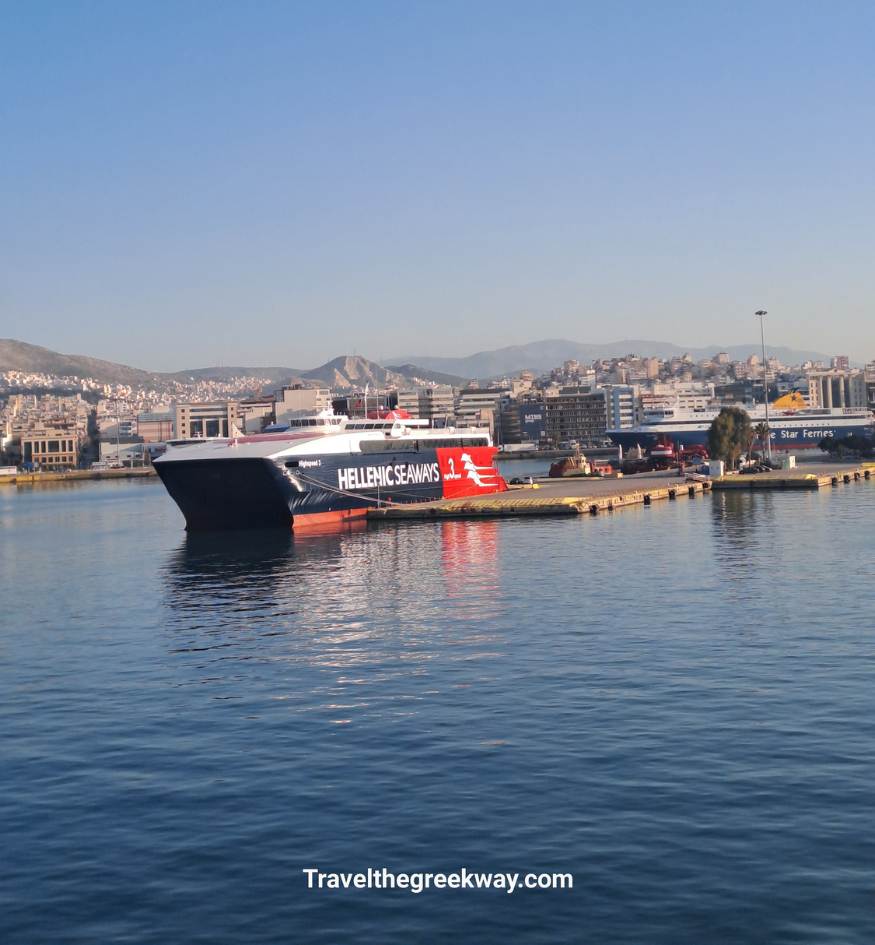
Gates E9 & E10: The Western Cyclades (Milos, Sifnos, Serifos) and fast high-speed catamarans (like SeaJets Worldchampion).
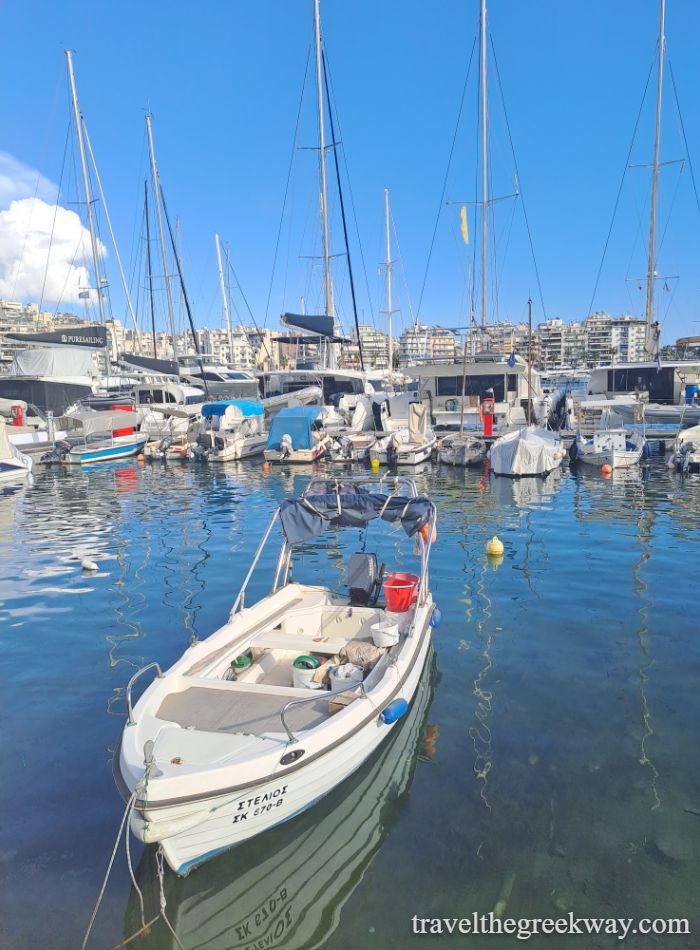
Native Port Tip: If your ticket lists a far-flung dock like E1 or E2, don’t try to walk it with heavy luggage. Walk right out of the E5 Metro station and hop on the free internal port shuttle bus that loops around the terminals; it saves you a sweaty, exhausting 20-minute trek.
Seasickness: If the “Meltemi” winds are blowing (common in the Cyclades), choose the larger, conventional ferries (like Blue Star) over the small “Flying Cat” hydrofoils for a much smoother ride.
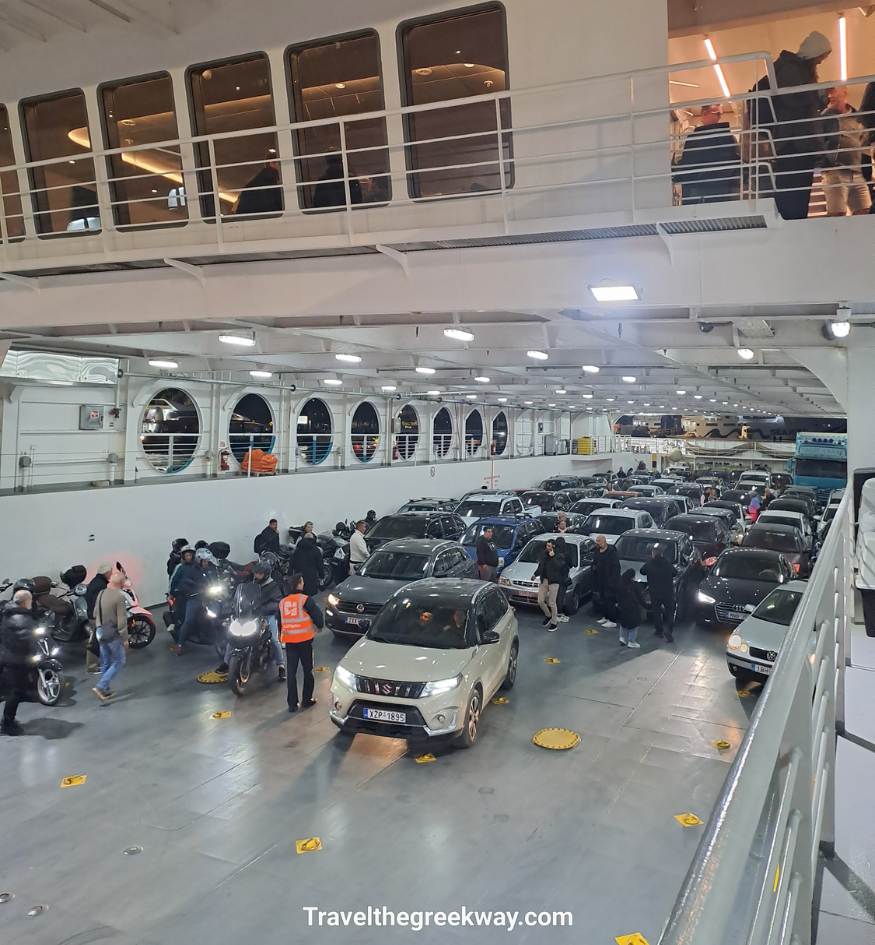
Luggage: Greek ferries don’t have strict weight limits, but you must leave large bags unsupervised on the lower car deck racks before heading up to the passenger seating. Keep all valuables, passports, and electronics in a smaller backpack at your seat.
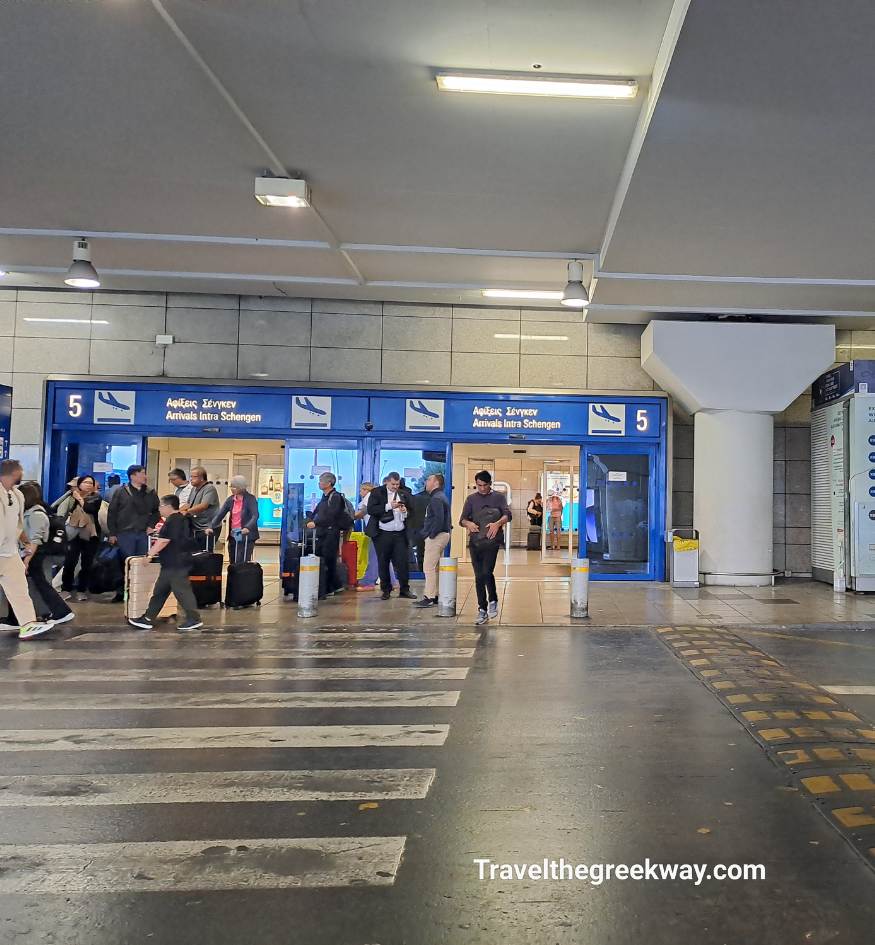
Flying vs. Sailing: The Verdict
- Sailing: Choose the vessel for distances under ~100 km (~62 miles). It’s an essential part of the Greek experience; you get to view the archipelago from the water.
- Flying: Use flights for “long-haul” jumps like Athens to Rhodes or Athens to Crete. A 50-minute flight saves you an 8–12 hour ferry ride, giving you an extra day on the beach.
- Relative Post: Flying vs. Ferry to the Greek Islands.
The “When to Go” Table
| Month | Avg. Temp (°C/°F) | Crowd Level | Price Spike | Best For |
| May | 24°C / 75°F | Low | Low | Hiking & Wildflowers |
| June | 28°C / 82°F | Medium | Moderate | Long days & Parties |
| July/Aug | 33°C / 91°F | High | Peak | Pure Beach Weather |
| Sept | 27°C / 81°F | Medium | Moderate | Warm water & Sunsets |
| Oct | 22°C / 72°F | Low | Low | Budget & Peace |
Expand Your Greek Adventure
Don’t let your journey stop at the shoreline. Most island-hopping routes begin or end in the capital, and many travelers are now pairing the islands with the rugged, mainland beauty of the south.
- Master the Mainland: Before you set sail, spend a few days in the capital. Check out our Athens Pillar Guide to find the best logistics for getting from the Acropolis to Piraeus port in under 60 minutes.
- The Best of Both Worlds: If you love the history of the Dodecanese or the mountains of Crete, you will love the Peloponnese. Read our Peloponnese Pillar Guide to plan the ultimate road trip through Greece’s most diverse region, featuring ancient UNESCO sites and rugged, emerald-water beaches.
- Rent a car to enjoy Greece without any bus delays!