Fall is one of my favorite times to travel around Greece. The summer crowds are gone, the weather is usually mild, and there’s still plenty to see and do.
You can enjoy chestnut festivals in the mountain villages of Gortynia, watch traditional raki distilling in Crete, or hike through Vikos Gorge surrounded by autumn colors.
As a Greek who travels all over the country, I’ll share some of my favorite fall activities and places worth visiting during this time of year.
This post includes links that may be affiliate links. If you choose to make a purchase through them, I may earn a small commission at no extra cost to you. Please see my disclaimer/privacy policy for more information.
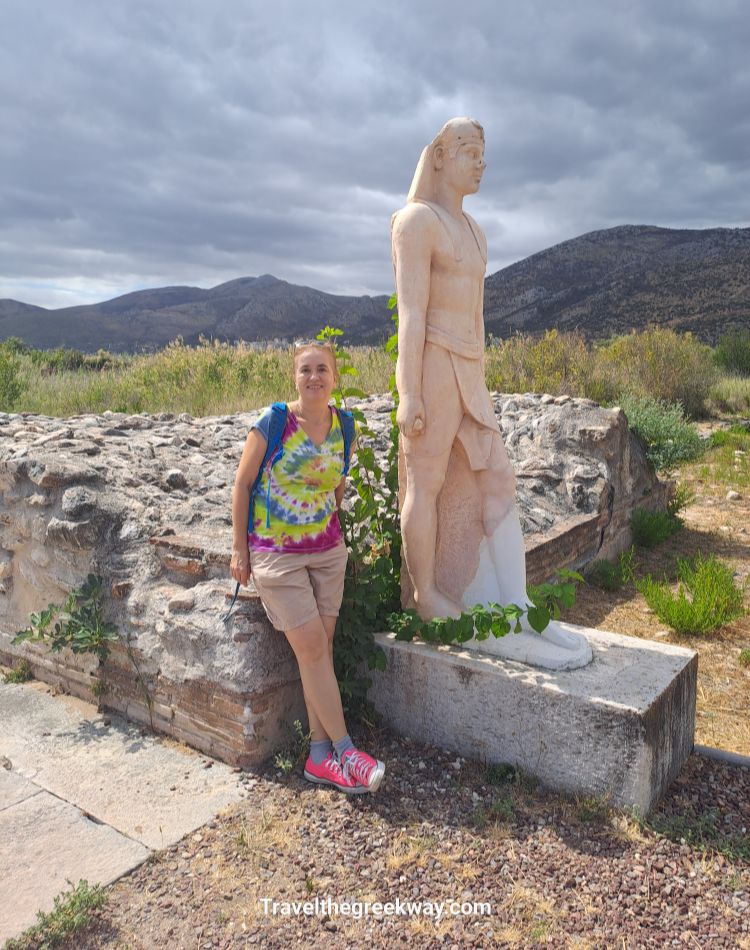
Most Exciting Fall Activities in Greece
Visiting Greece in Fall: Month-by-Month Pros & Cons
Let’s get into the best fall activities in Greece—think island hopping, food festivals, cozy mountain villages, and way fewer crowds.
| Month | ✅ Pros | ❌ Cons |
|---|---|---|
| September | – Summer weather lingers: warm seas, sunny days 🌞 – Ideal for swimming & island hopping – Festivals like Aegina Pistachio Festival – Longer daylight hours – Still lively nightlife | – Still relatively busy in popular spots – Higher prices than Oct/Nov – Hot weather may linger in southern Greece |
| October | – Pleasant, cooler temps for sightseeing & hiking – Fewer crowds at major sites – Lower hotel & flight prices – Warm enough for swimming (esp. Crete, Rhodes, Peloponnese) – Festivals (Oxi Day, chestnut festivals) | – Weather can be unpredictable later in the month – Shorter daylight hours – Seasonal closures (beach bars, some ferries) – Nightlife quieter outside big cities |
| November | – Low prices & almost no crowds – Authentic, local experience – Perfect for cultural travel (museums, ruins) – Olive harvest, mushroom festivals, raki distillation in Crete | – Cool weather, often rainy – Seas too cold for swimming (except Crete sometimes) – Short daylight hours – Many tourist services closed out in smaller islands. |
Fall Island Hopping (Saronic & Kea)
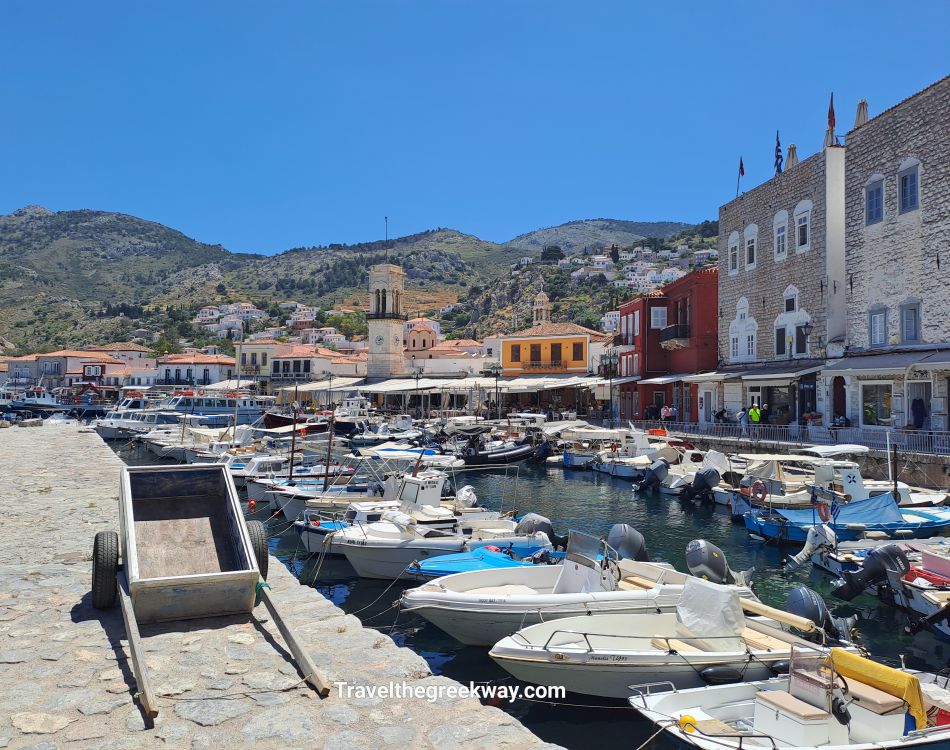
Island life doesn’t shut down after August. It gets better. With milder weather and fewer tourists, you get Greece at its most authentic.
Hydra, Spetses, Aegina and Poros: Ferries still run regularly from Athens, making these perfect for short getaways.
Walk the stone alleys of Hydra, bike through pine-covered Spetses, or visit Aegina’s Temple of Aphaia with beautiful panoramic vistas.
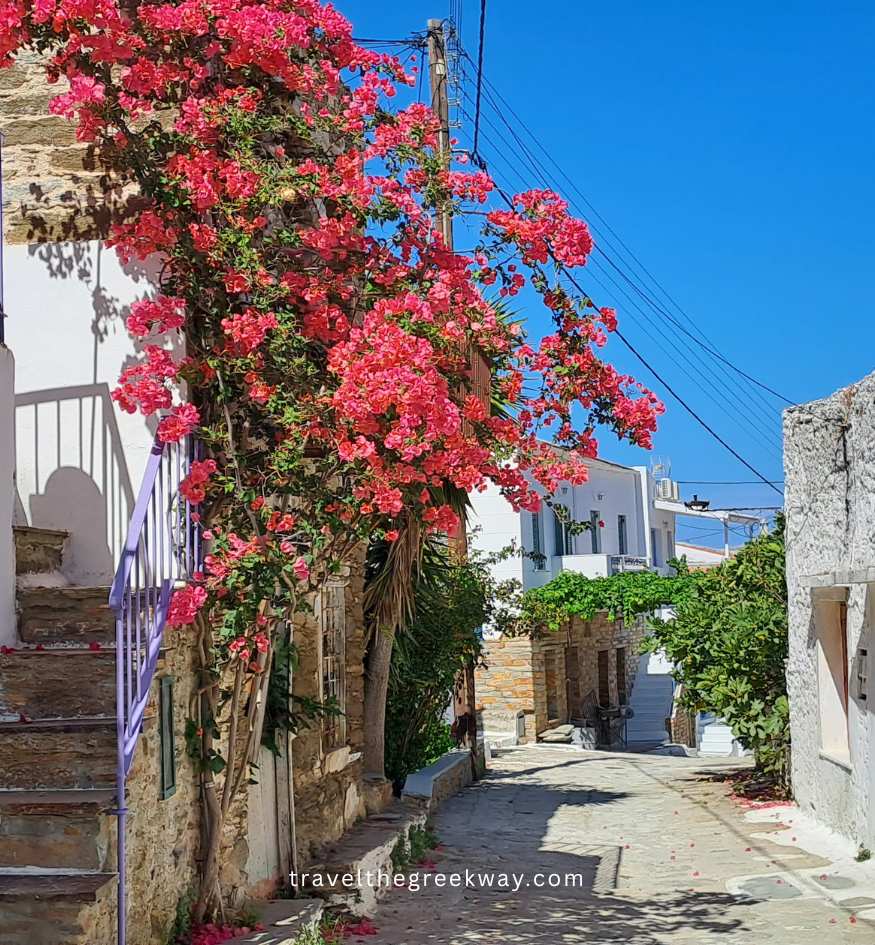
Kea Island: Just an hour from Lavrio port, Kea, which belongs to the Cyclades, is gorgeous, underrated, and full of surprises.
The hike to ancient Karthaia is one of the best in Greece. You follow a stone trail through the hills to a seaside archaeological site that few tourists ever see.
Fall Activities in Greece You Can’t Miss | Festivals

By fall, the summer chaos has died down in Athens. With European students back in school, you’ve got shorter lines, cooler weather, and a much more laid-back local vibe.
Here are some awesome things (local tips) to do in Greece this fall:
- Explore ancient landmarks like the Acropolis and Ancient Agora without the heat or crowds.

- Ohi Day (October 28) brings patriotic energy to the streets with parades, flags, and free entrance to major sites.
- Sweet Factory Festival (November 1-3) adds a sweet touch.
- Athens Coffee Festival (September 27–29) – A dream weekend for caffeine lovers at Technopolis, with tastings, workshops, and barista battles.
- Athens Classic Marathon (November 8-9) fills the city with thousands of runners following Pheidippides’ ancient route from Marathon town.
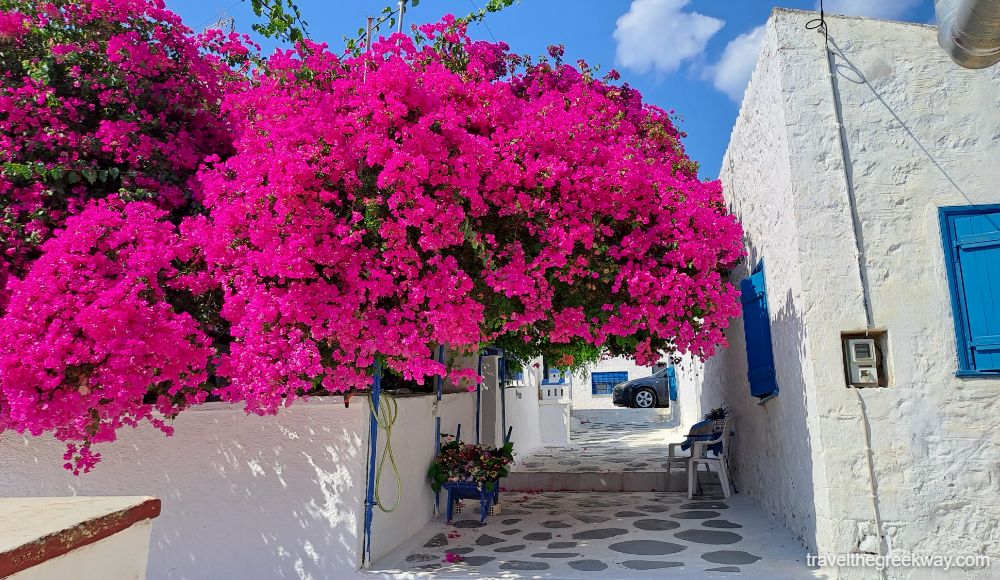
- Aegina Pistachio Festival (September 18-21) – Four days of pistachio everything, plus local crafts and dancing, concerts, food-tasting, happenings, and food market.
- Elassona Feta Cheese Festival (September 18-20) – Celebrating Greece’s beloved cheese in the shadow of Mt. Olympus. You will get to know local products & producers, follow talks & workshops about feta and nutrition, cooking demos & tastings, music, culture & fun.
Weather(average temperature): 23°C in October, 18°C in November.
Delphi to Meteora: A 3-Day Circuit
Cooler autumn weather makes this legendary road trip ideal, letting you enjoy long drives and big climbs without the summer heat.
The route connects some of Greece’s most important cultural and natural landmarks, perfect if you love history, photography, and outdoor activities.
Day 1: Athens to Galaxidi (optional stop in Ancient Olympia)
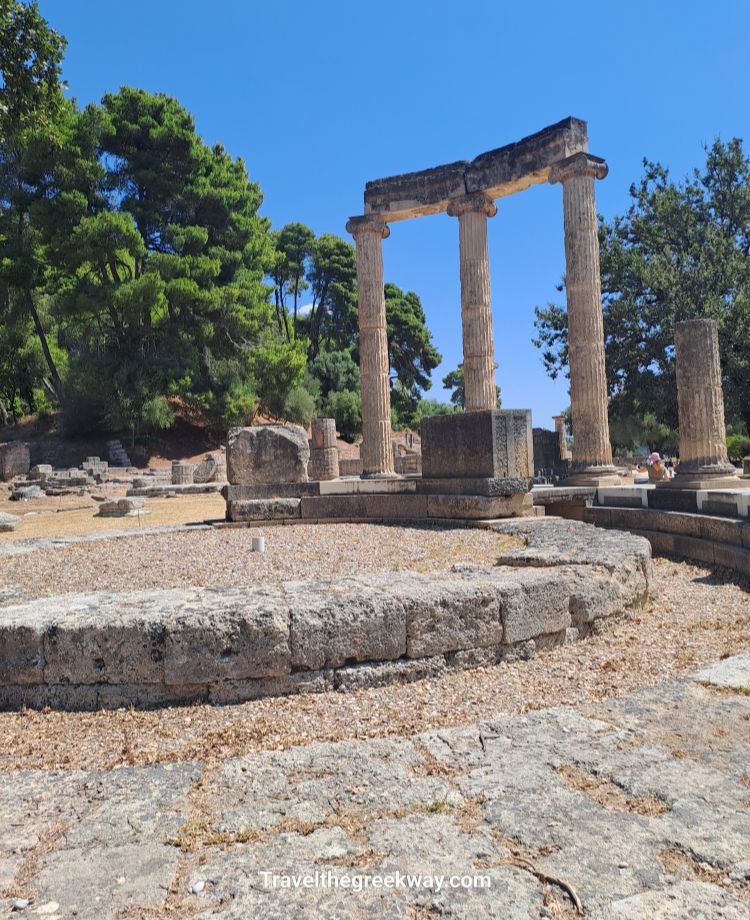
Start from Athens and if you have the energy for a long detour, swing through Ancient Olympia, birthplace of the Olympic Games, to walk among stadiums, temples, and museums that set the stage for global sporting tradition.
Wondering what a trip to Olympia costs? I’ve broken it down here 👉 How Much Does a Trip to Ancient Olympia Cost?
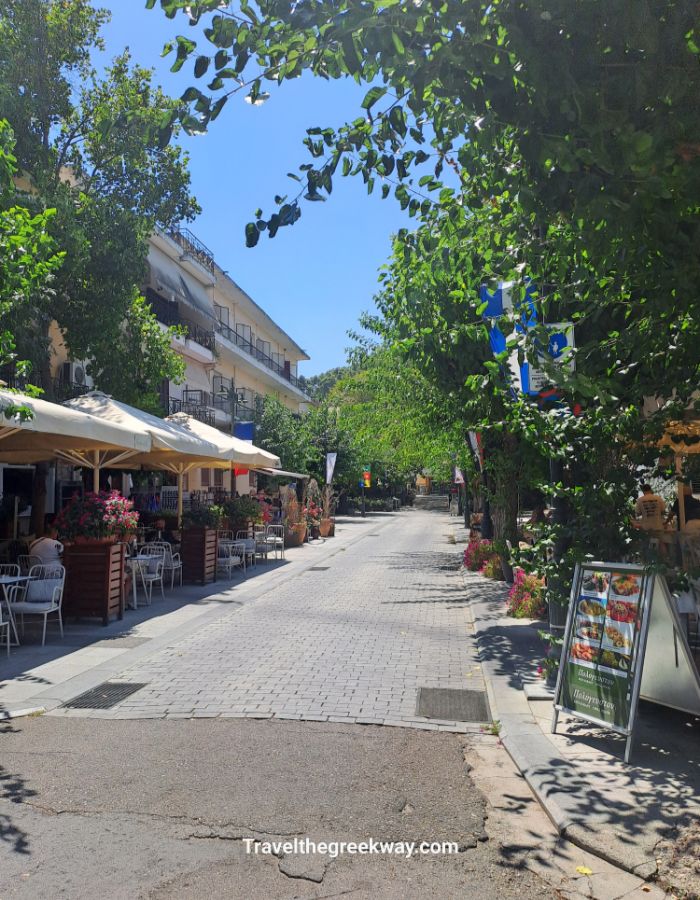
Continue north to the seaside town of Galaxidi, a charming naval village with neoclassical houses, seafront tavernas, and narrow streets made for evening strolls.
Stay overnight here at the beautiful Ganimede hotel with its famous breakfast to break the journey and enjoy the local vibe.
Day 2: Delphi → Arachova → Hosios Loukas → Kalambaka

Spend the morning exploring the Delphi Archaeological Site, once considered the center of the ancient world.
Don’t miss the Temple of Apollo, the ancient theatre, and the Archaeological Museum of Delphi.

Afterward, head to Arachova, a lively mountain town famous for its stone architecture, woven textiles, cozy cafés, and the largest ski resort in Greece.
Before heading north, stop at the UNESCO-listed Hosios Loukas Monastery, renowned for its Byzantine mosaics. Drive on to Kalambaka, the town at the base of Meteora.
Day 3: Meteora Monasteries
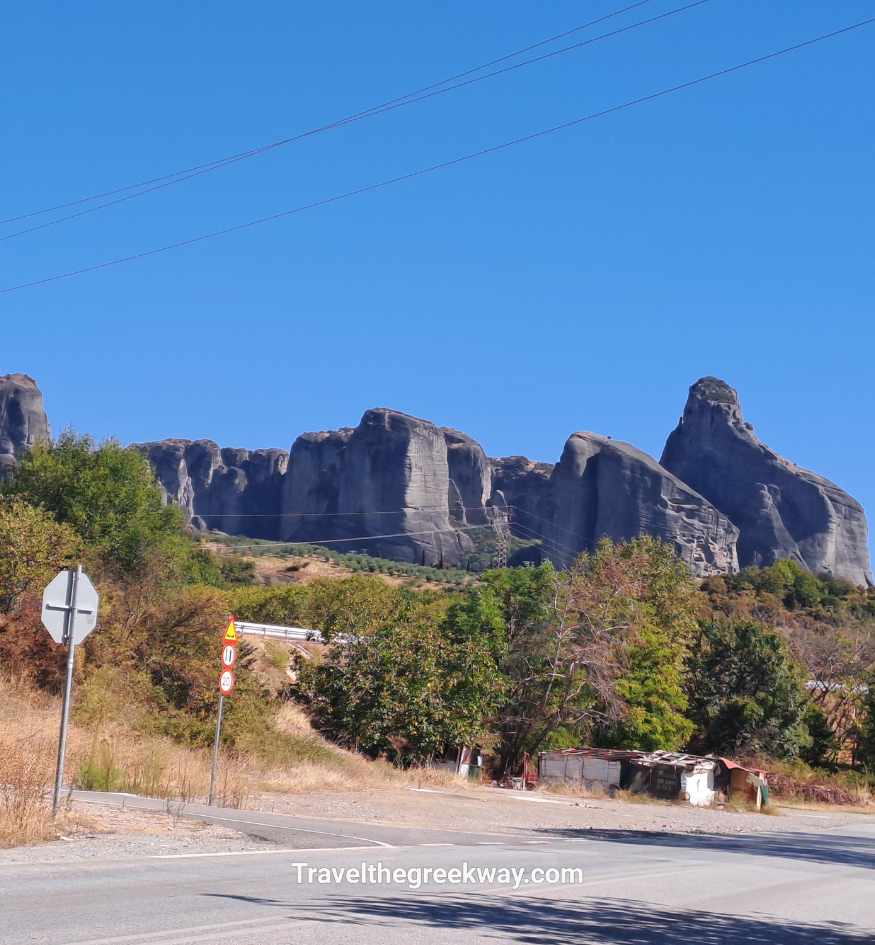
Dedicate the day to exploring the Meteora monasteries, perched dramatically on top of towering rock formations.
Six monasteries are open to visitors, each offering stunning views over the Thessalian plain and unique collections of icons, frescoes, and manuscripts.
You can actually hike between the monasteries, which makes it the perfect mix of spirituality and adventure. One fun option is the Meteora Small-Group Hiking Tour. And when you’re done, grab a laid-back dinner in Kalambaka or the nearby village of Kastraki.
Local Tips:
- In November, sites often close earlier (as early as 15:00), so start your days early.
- Wear sturdy shoes for uphill paths and monastery steps.
Chestnut Celebrations: Arcadia, Kastanitsa

Chestnuts are Greece’s unofficial autumn mascot. Local festivals are full of roasted snacks, folk dancing, and free-flowing wine:
Kastanitsa is a traditional mountain village in Arcadia, built on the slopes of Mount Parnon at an altitude of 840 meters.
It is 72 km from Tripoli and 65 km from Sparta, and it organizes one of Greece’s most picturesque fall festivals (end of October).
The day usually starts with a fun guided tour of the village. At the welcome point, you’ll get maps with all the activities + free treats: mountain tea, warm trachanas soup & boiled chestnuts.
In the square of the Holy Church of the Transfiguration, tables will be set up and the tavern will serve: boiled goat, pork & chickpeas with chestnuts, veggie pies & cheese pies, souvlaki & fried bread, local wine, spiced wine & tsipouro. Plus music and dance!
Amazing place to stay in Kastanitsa is Fani’s house!
Canoeing in the Pineios Delta

At the mouth of the Pineios River in Thessaly, where its waters meet the Aegean, lies a stunning delta recognized as a landscape of outstanding natural beauty and part of the Natura2000 network.
Home to hundreds of bird and plant species, it’s a paradise for nature lovers.
Here you can paddle through calm waters by canoe or kayak with local guides, enjoy boat rides organized by fishermen in their wooden huts, or try your hand at archery after an excursion.
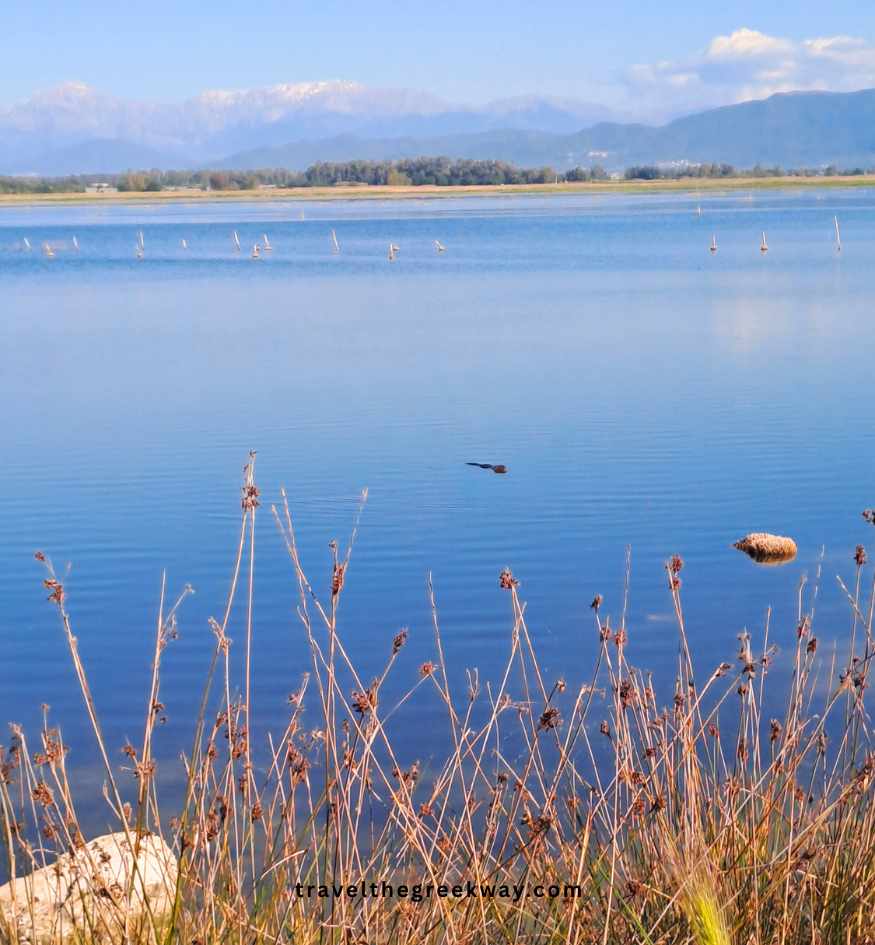
The delta is also a hotspot for birdwatching, so don’t forget your binoculars or camera to capture flamingos, herons, and other wildlife against the backdrop of the Tempi Gorge and the open sea.
Pineios is a large river, 400 km north of Athens and 65 km south of Mount Olympus.
Tip: Combine this with a visit to Mount Olympus and stay in the town of Platamonas.
Want to go deeper? Check out my full monthly guides:
👉 Greece in September | 👉 Greece in October | 👉 Greece in November
Harvest Season: Grapes, Olives & Mushrooms

September – Grapes & Wine
Fall in Greece kicks off with the grape harvest, and it’s one of the most fun times to visit wine regions like Nemea, Santorini, and Attica.
Festivals pop up everywhere — one of the most charming is the Markopoulo Harvest Festival in Athens (Sept 5–7), where you can join in grape stomping, listen to live traditional music, and try moustalevria (a sweet grape must pudding) prepared by the local women.
And of course, there’s plenty of wine tasting along the way.
October to November – Olives & Olive Oil
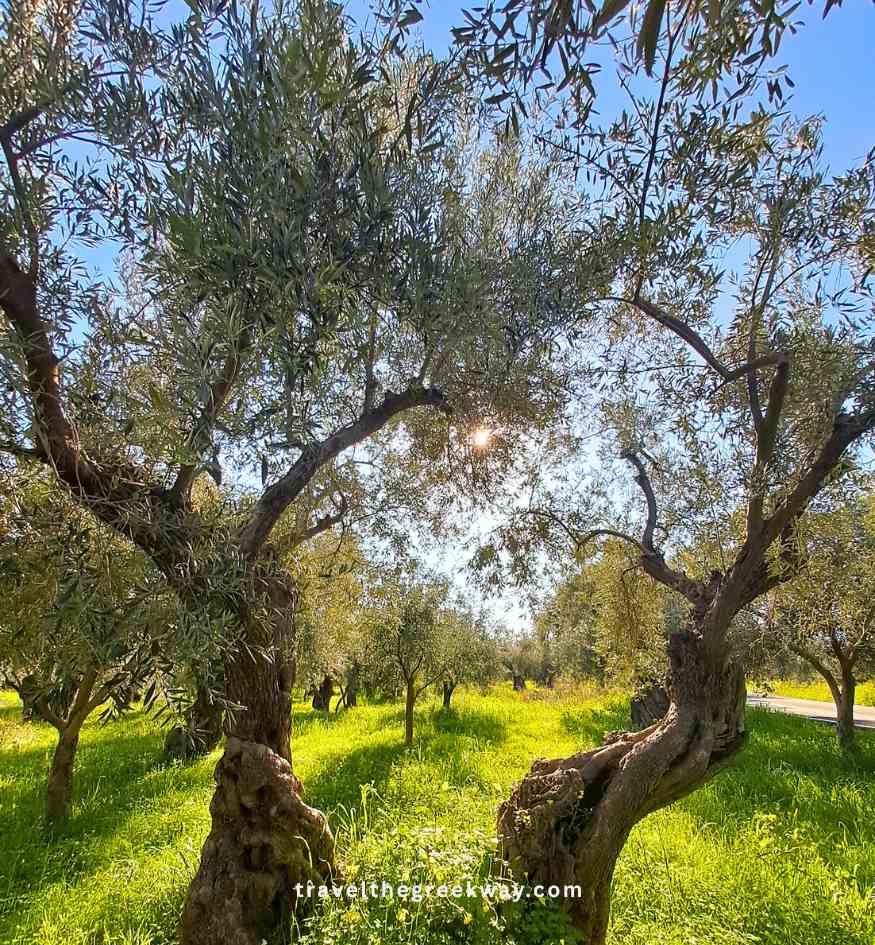
As the season shifts, the olive harvest begins. In many villages, families still gather to pick olives by hand — and you can join them!
Some farms invite visitors to take part and then taste the freshly pressed liquid gold (olive oil tasting). It’s a hands-on, flavorful way to connect with one of Greece’s most iconic traditions.
November in Crete – Raki Parties
If you’re in Crete, November is all about the rakokazana — the traditional raki distillation parties.
Expect a true Cretan feast: there’s music, dancing, hearty local food, and of course, fiery glasses of freshly made raki passed around.
November in Grevena, Macedonia
Over in Grevena (420 km north of Athens), fall belongs to the mushrooms.
The forests here are rich with varieties, and locals host foraging tours, cooking events, and even mushroom festivals.
It’s a chance to taste wild flavors you won’t find anywhere else.
Love nature? Check out my full guide to Greece’s best fall foliage spots.
Navarinia in Pylos (Late October)
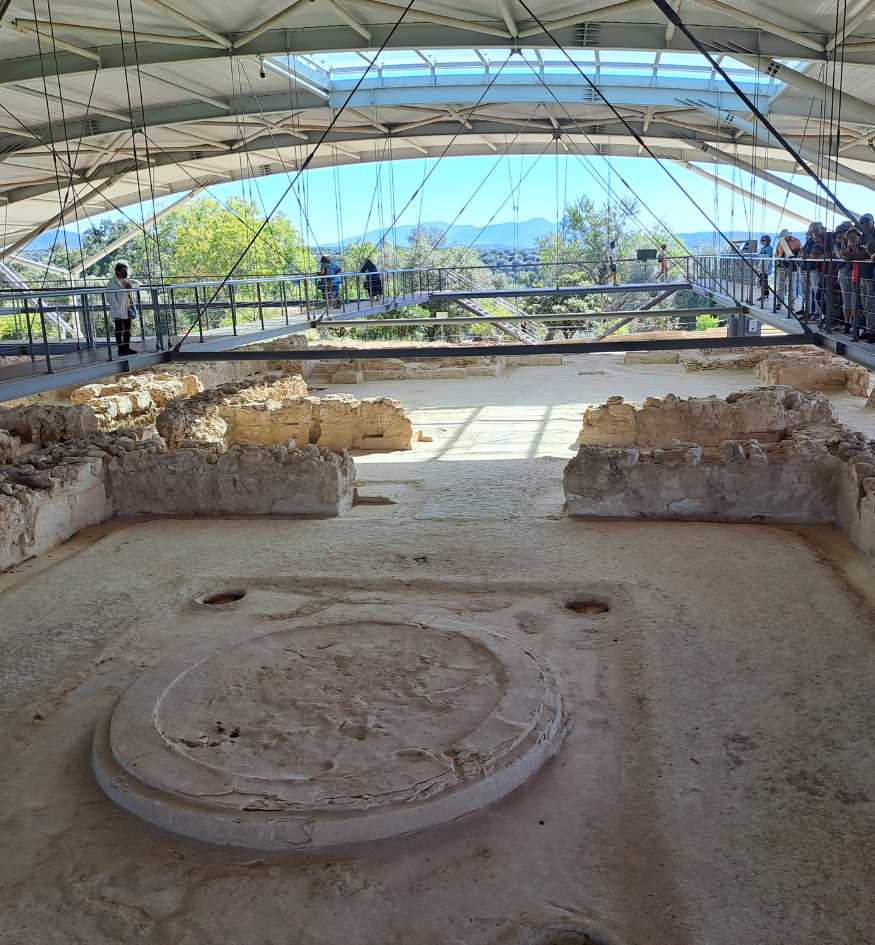
Every year around October 20, the seaside town of Pylos, Messinia, throws one of the most spectacular historical events in Greece — a reenactment of the 1827 Battle of Navarino.
Expect fireworks lighting up the bay, ship parades, and moving tributes to the battle that helped secure Greece’s independence.
The waterfront fills with locals and visitors; there’s music, cultural performances, and a great festive vibe — all while remembering a turning point in history.
It’s the perfect mix of celebration and history lesson you’ll never forget.
Best Hotel in Pylos: W Costa Navarino.
Pelion: Greece’s Autumn Fairy Tale

When fall rolls in, the forested peninsula of Pelion transforms into a painting — the chestnut, beech, and plane trees glow in fiery reds, oranges, and golds.
It’s the perfect mix of crisp mountain air and seaside charm and my most beloved place in Greece!
Villages worth stopping for:

- Tsagkarada – famous for its giant plane tree and laid-back vibes.
- Makrinitsa – often called the “balcony of Pelion” thanks to its sweeping views.
- Zagora – known for apples and traditional stone houses.
- Milies – cozy, historic, and the starting point of the little Pelion train.
Events you don’t want to miss:

- Escape Festival in Tsagkarada (early Oct): outdoor adventures like canyoning, yoga, and workshops — and the best part? It’s all free.
- Chestnut Festival near Xourichti (late Oct): think music, dancing, and endless roasted chestnuts paired with local wine and food.
Pelion in the fall isn’t just about pretty landscapes — it’s about connecting with nature, tasting local flavors, and celebrating village life the way the locals do.
Hike Vikos Gorge in Zagori
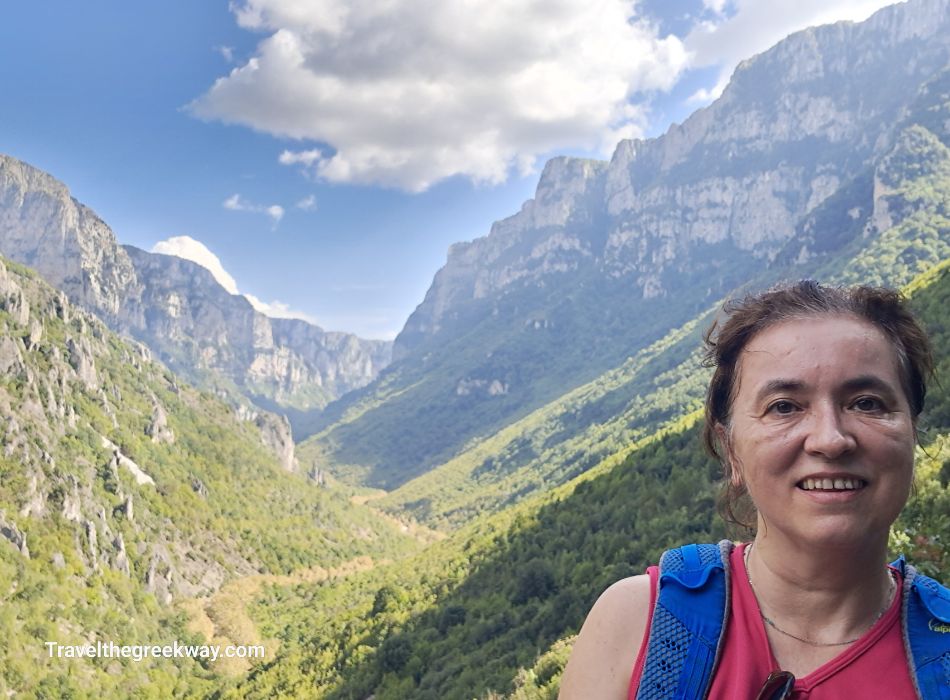
Vikos Gorge, carved into the southern slopes of Mount Tymphe (Gamila) in Zagori, Epirus, is one of the most breathtaking hikes in Greece.
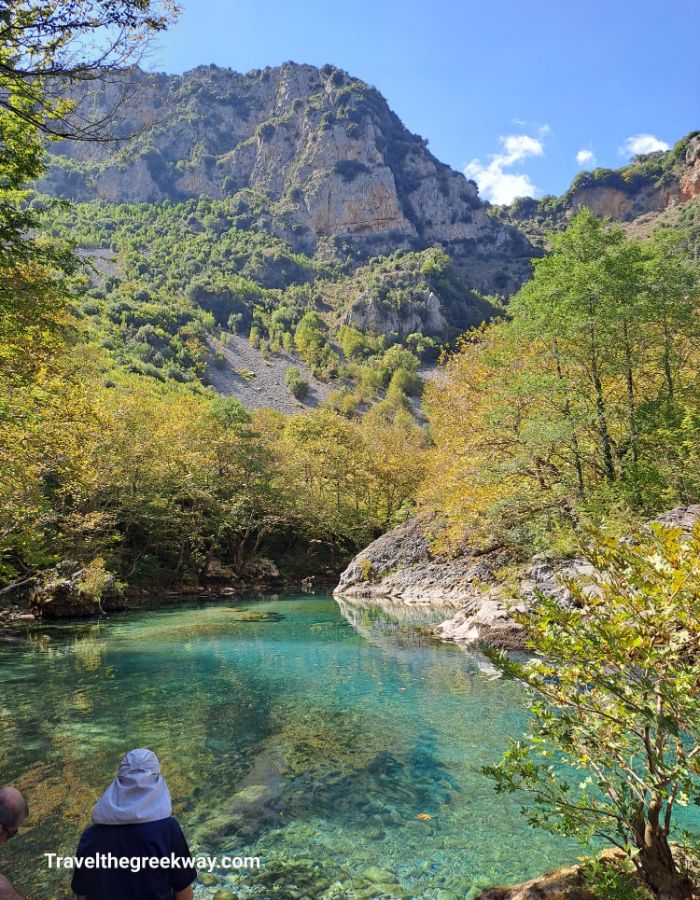
It lies within the Vikos–Aoos National Park and is known for its dramatic scenery, shaded forest paths, and the emerald waters of the Voidomatis River.

The Route
Most hikers take the 12.5 km trail between Monodendri and Vikos village.
You can hike it either way, but note: the final stretch to Monodendri is a tough uphill climb, while finishing in Vikos is easier on the legs.
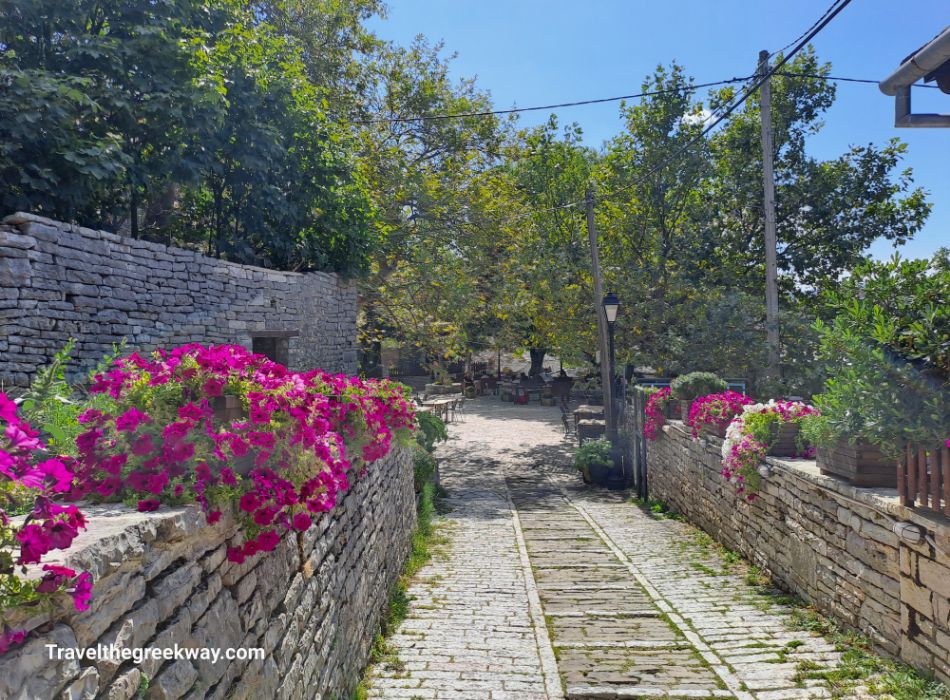
- Distance: 12.5 km (one way)
- Elevation: 1,065 m down to 496 m
- Time: 5–7 hours, depending on pace and breaks
- Difficulty: Moderate to difficult (3.5/5). Expect steep descents, rocky terrain, and sections with large pebbles. Hiking poles are highly recommended. Not suitable for beginners or small children.
Highlights Along the Way
- The shaded forest paths lined with towering trees
- Sections of kalderimi (old cobblestone paths)
- The Voidomatis riverbed, where water often runs underground due to the karst limestone
- A refreshing long stop at the Voidomatis emerald pools — perfect for resting and soaking in the view.
Trail Markers

Look for red dots, white-on-red diamonds (route 03), or signs for the Epirus Trail. In a few tricky spots, locals have tied plastic bags to branches to keep hikers on track.
⏱️ It took us around 7 hours with breaks, but strong hikers can do it in 5. Either way, Vikos Gorge is a challenging but unforgettable trek through one of Europe’s deepest canyons.
Discover the full guide on hiking Vikos Gorge here.
Greece Quick Links
- Top hotel in the Athens Center: Gatsby Athens.
- Nothing beats renting a car — total freedom to explore Greece.
- Top-rated Guided Tour for the Acropolis, Parthenon & Acropolis Museum.
- YouTube Video: Exploring Tsagarada in Pelion.
FAQs for Greece in Fall
What’s the weather like in Greece in the fall?
September: still summer-like (75–88°F / 24–32°C).
October: mild and pleasant (65–75°F / 18–24°C).
November: cooler (55–65°F / 13–18°C), especially in the north and mountains.
Are ferries and flights still running in the fall?
Yes, but some island routes reduce frequency after October. Larger islands (Crete, Rhodes, Santorini, Corfu) have frequent connections year-round. Others, like Mykonos and Santorini, have reduced ferry services.
Can I still go swimming in the fall?
Yes! The sea stays warm until late October. In southern islands like Crete and Rhodes, you can comfortably swim even in November.
Are tavernas and restaurants open year-round?
Yes, in cities and villages. On smaller islands, some beach bars close after October, but local tavernas stay open.
What should I pack for Greece?
September: light clothes, swimwear, hat, sunscreen.
October: mix of light & warm layers, jacket for evenings.
November: sweaters, rain jacket, sturdy shoes for hikes.
Are archaeological sites open in the fall?
Yes, but in November, many sites close earlier (around 3 pm). Bonus: From November to March, the first Sunday of each month = free entry
How much cheaper is Greece in the fall?
Hotels and flights can be 20–40% cheaper compared to July–August. You’ll also find more availability in popular spots like Santorini and Mykonos.
Is it easy to get around Greece?
Yes, but renting a car is best for exploring the mainland (Delphi, Meteora, Pelion, Peloponnese). Public transport still runs, but bus/ferry schedules may be less frequent in small islands after October.
Conclusion
Traveling to Greece in the fall is all about balance — warm seas without the crowds, mountain hikes in crisp air, and festivals that feel truly local. If you want Greece at its best, come in the fall.
Join Our FB Group & Subscribe to My YouTube Channel!
For more Greece travel tips and ideas for your next trip, join my free Facebook Group or follow me on YouTube for more videos from around Greece.
Happy and safe travels,
Evgenia
Essential Travel Resources for Greece
- ‘Hello’ and ‘Thank You’ in Greek: “Ya sou” and “Efharisto”
- Booking.com: I use Booking.com mostly for Europe.
- All-Inclusive Resorts in Greece
- Rent an Affordable Car in Greece
- Athens Metro Website (timetables and ticket info)
- Trains (Hellenic Train)
- Public Buses KTEL
- Get Your Guide: For all your day or multi-day tours and city guide needs, I use Get Your Guide
- Emergency Numbers Anywhere in Greece: AMBULANCE 166 – FIRE 199 – POLICE 100– EMERGENCY NUMBER 112
